
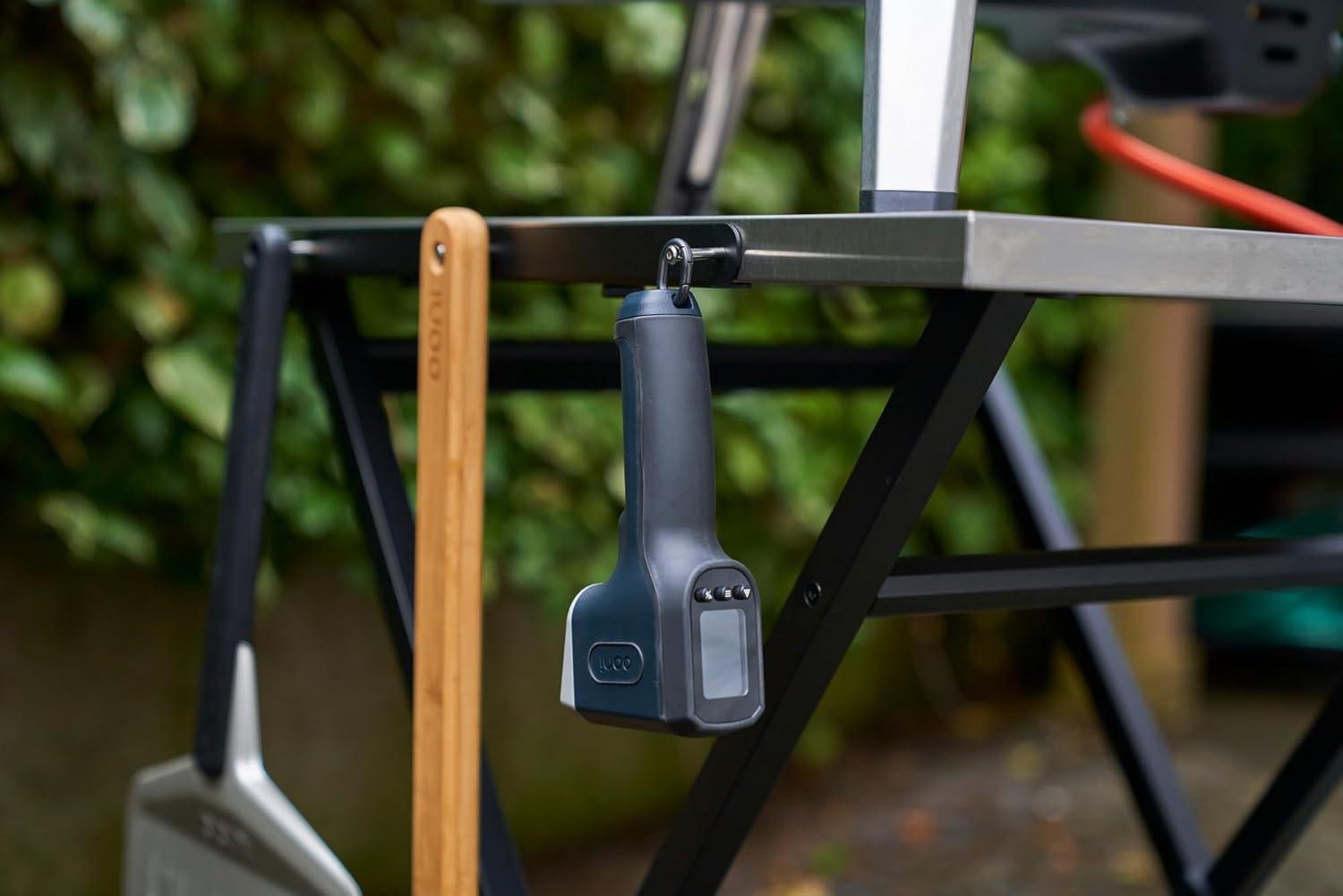
If you’ve ever tried to guess when a pizza stone is truly ready, you know that “close enough” can turn a perfect crust into toast. That’s why we’ve been putting the Ooni Digital Infrared Thermometer Gun through its paces over the past few weeks-on our Ooni pizza oven, over grill grates, across cast-iron pans, and even around the house. right away, the appeal is obvious: a bright, full‑color display that locks onto a surface and returns a reading almost instantly, plus a laser for pinpoint aiming or a scan mode to sweep a wider area. It’s calibrated for the blazing temps of Ooni’s cordierite stones, and the adjustable emissivity setting let us dial it in for steel and other surfaces, too.In practice, it changed how we cook. We used it to map hot and cool spots in the oven, time our launches, and confirm when the stone was back up to temp between pies. Outdoors, it helped us balance zones on the grill; indoors, it was handy for checking pan preheat, verifying oven recovery, and even hunting for cold drafts along a wall. It’s strictly a surface thermometer-don’t expect internal meat temps-but for knowing exactly when and where heat is happening, it’s fast and surprisingly versatile. In this review, we’ll share what impressed us, where we hit small snags, and whether this premium IR gun earns its spot over cheaper alternatives.
Our Hands-On Overview of the Ooni Digital Infrared Thermometer Gun
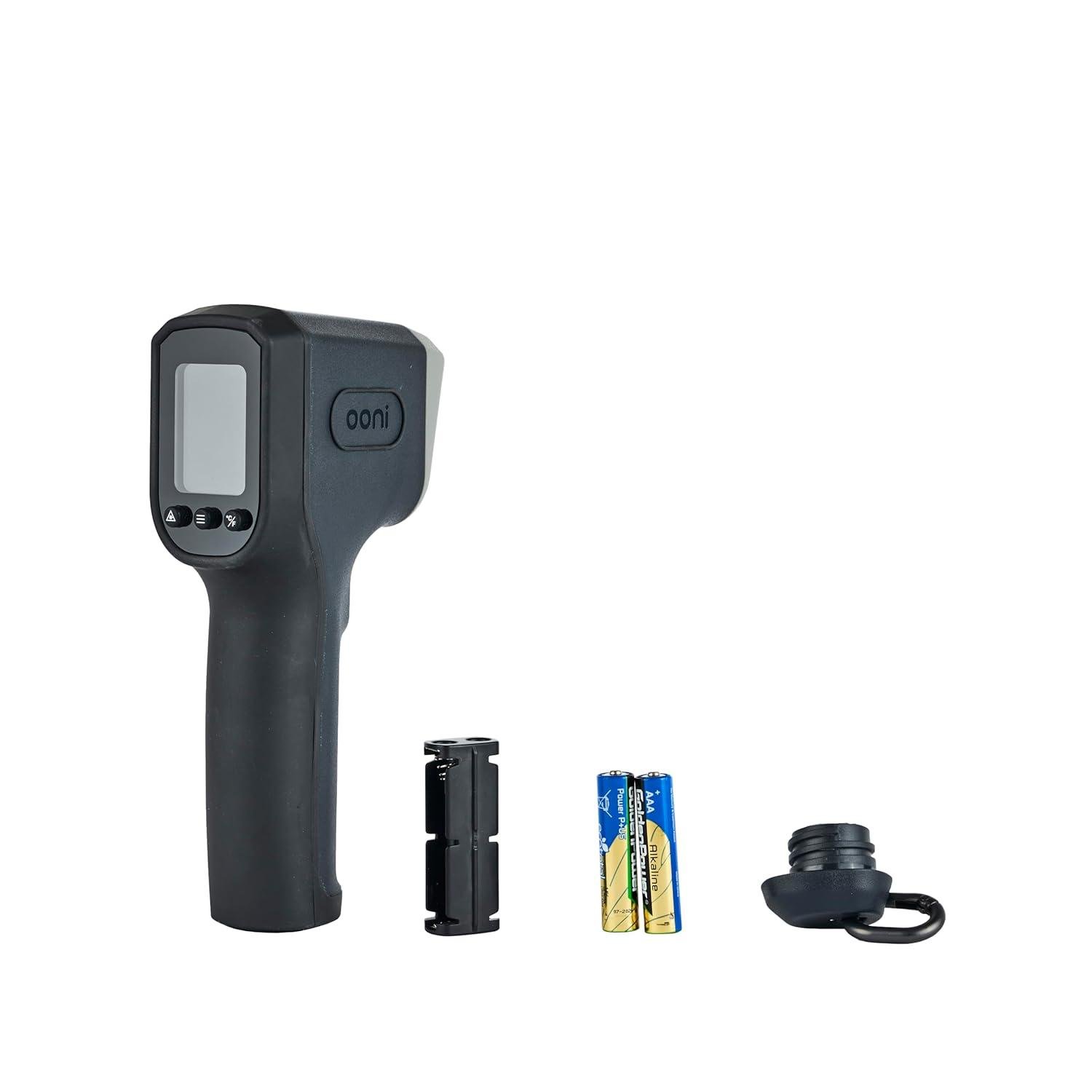
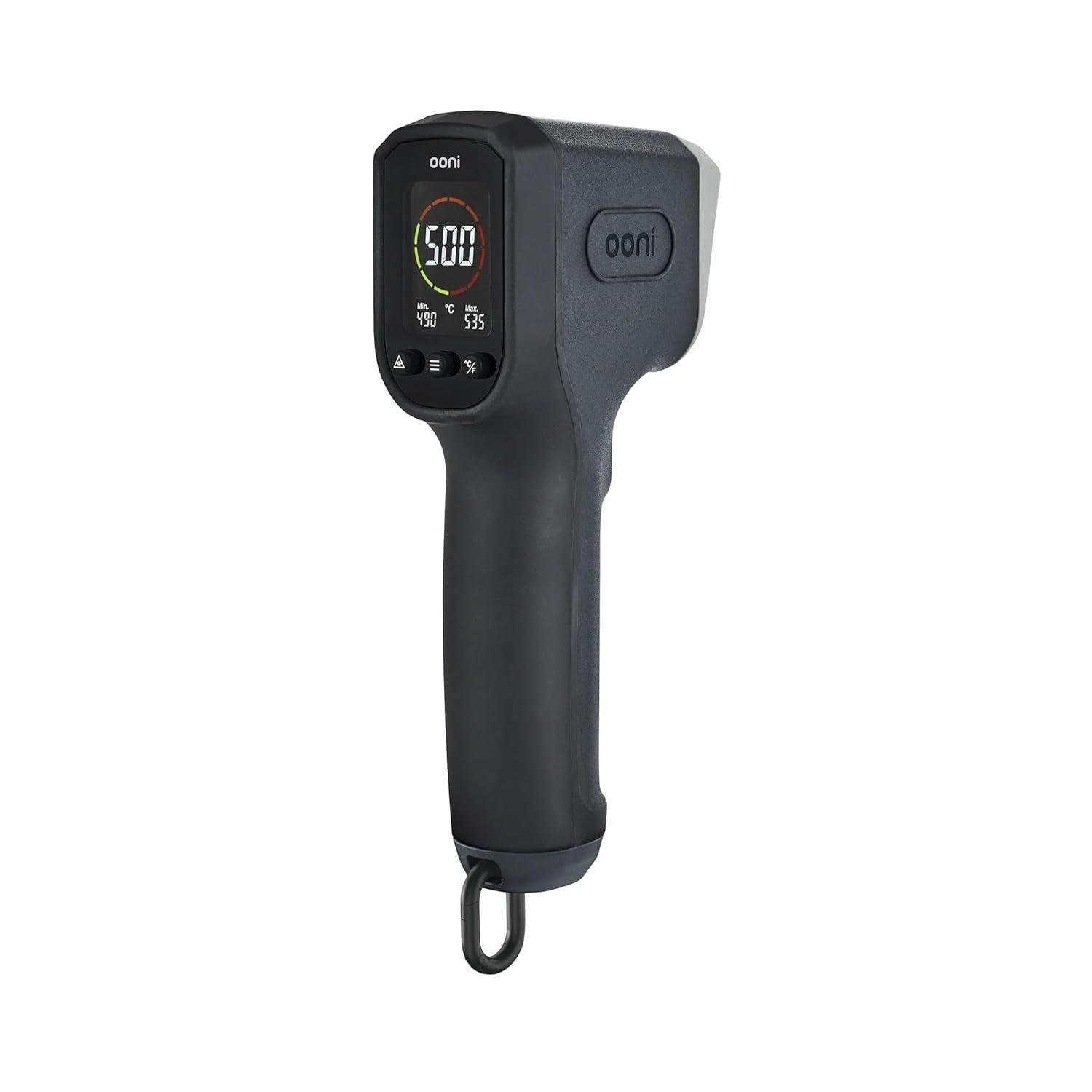
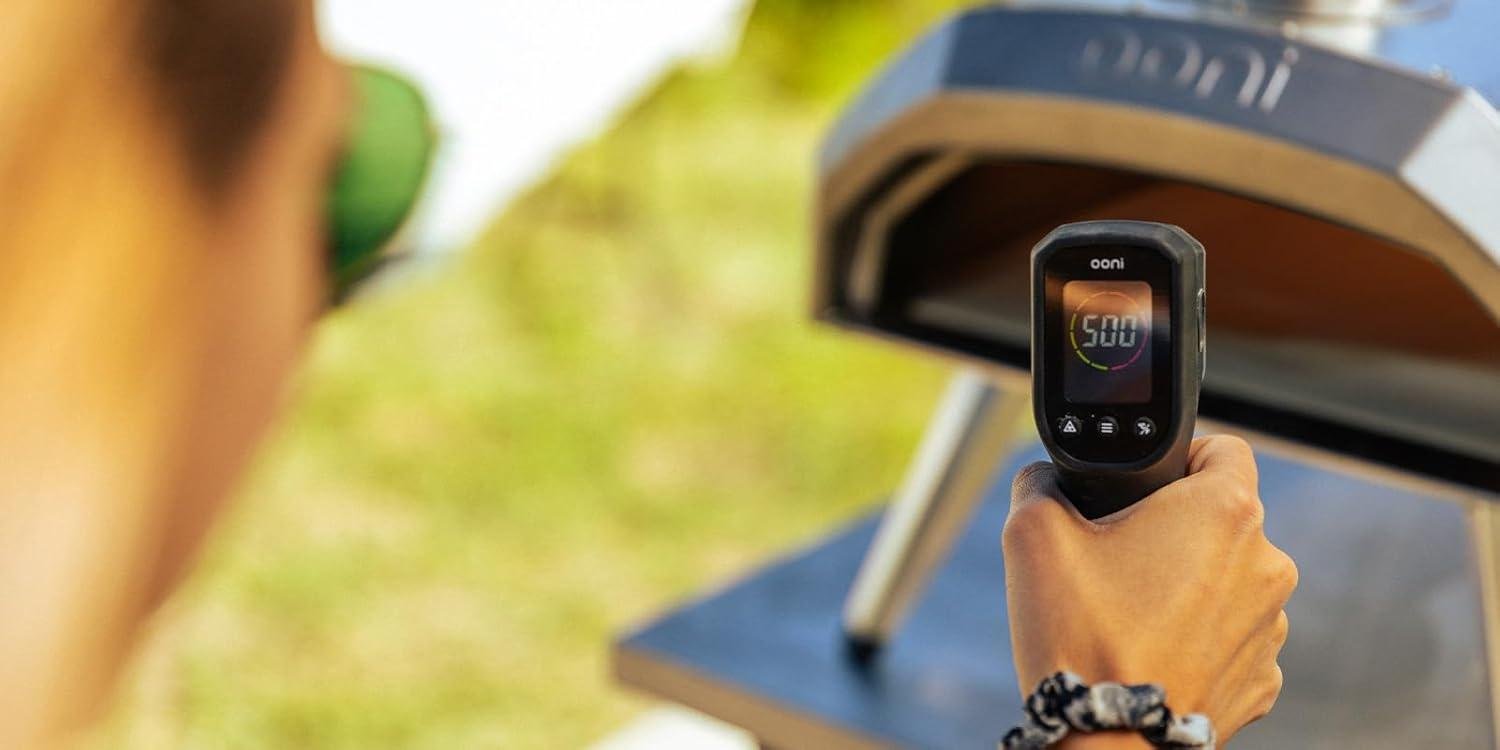
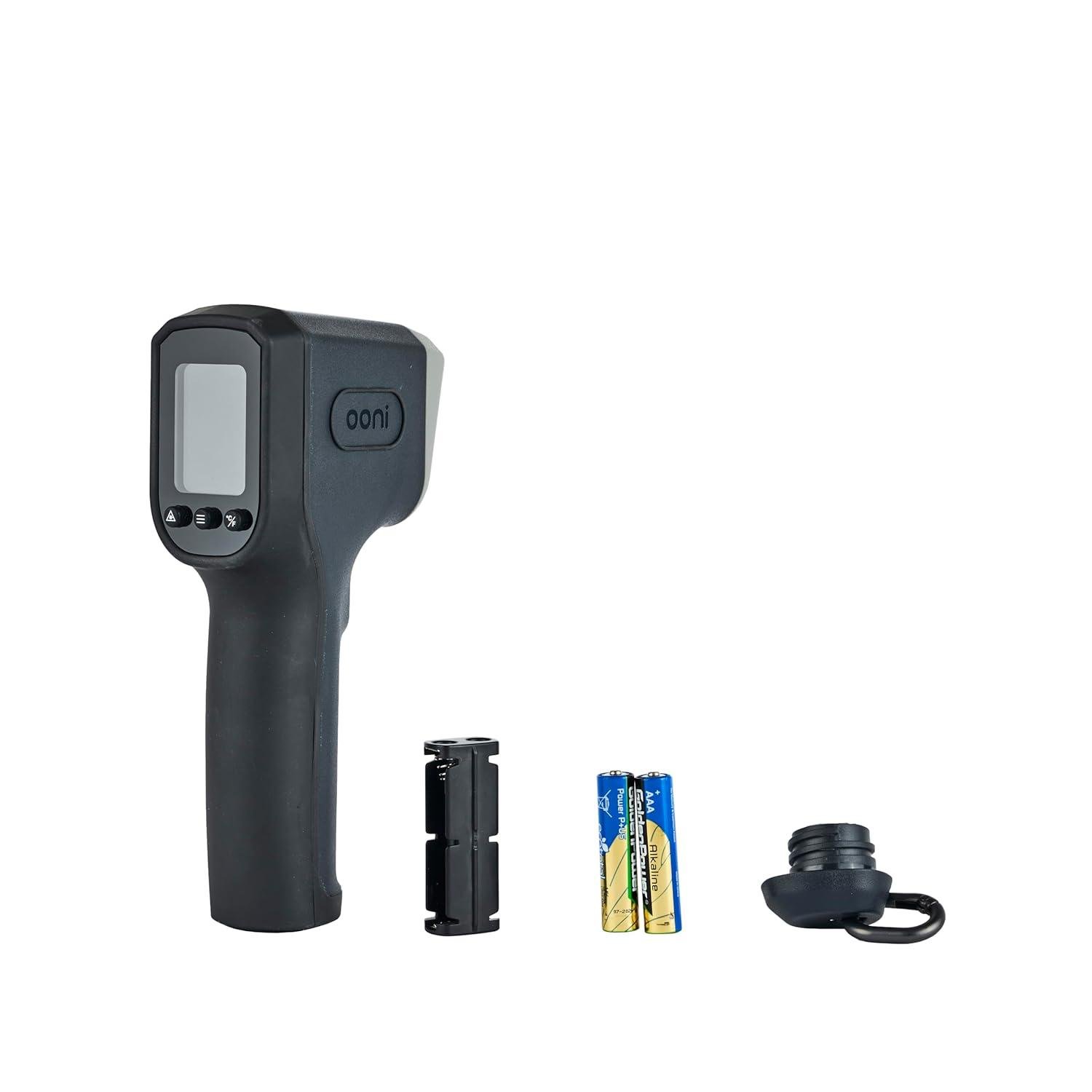
In use, this infrared gun felt genuinely FAST and ACCURATE-readings popped onto the backlit LCD in under 300 milliseconds, and the Temperature Scan Mode quickly surfaced min, max, and average figures. We appreciated the choice of color-coded or numeric displays, plus the ability to switch between laser-guided spot checks and wider area scans. It’s calibrated for the high heat of cordierite baking stones, which made dialing in our pizza stone temps straightforward, while the adjustable emissivity helped us confidently read steel and other finishes. The included duracell batteries and removable hang loop are small but welcome touches that make it EASY to grab,use,and store.
- Confirm when the pizza stone is truly ready (and avoid burnt or gummy crusts)
- Map hot and cool zones across an oven floor, grill grates, or a griddle
- Spot-check a chest freezer or scan for cold spots on walls
- Get instant readings anywhere you aim for fast, consistent results
| Feature | What we saw |
|---|---|
| Read time | < 300 ms |
| Accuracy | ±4 °F |
| Modes | Spot + Scan (Min/Max/Avg) |
| Display | Backlit LCD + color scale |
| materials | Calibrated for cordierite; emissivity adjustable for steel |
| Power | Duracell batteries included |
Accuracy on cordierite stones was rock solid in our tests, and the emissivity control broadened its usefulness to baking steels and pans. Build quality and ease of use drew plenty of praise from users,though a few mentioned issues like screen color segments failing or minor cosmetic annoyances-worth noting,but not deal-breaking in our experience. The interface is readable in any light, and the laser guidance makes targeting effortless. If you want consistent, repeatable heat management for indoor or outdoor cooking, this tool earns its spot in the kit. Check price and availability
The Details We noticed: Build, Display, Laser and Temperature Range
Build and ergonomics feel thoughtfully dialed-in: a sturdy body, a discreet black finish that blends into our grill setup, and practical touches like a removable hang loop and Duracell batteries included.The LCD full‑color display is backlit and easy to read in any light, with numeric and color‑coded cues that make at‑a‑glance checks effortless. We also liked how fast it responds-temperature data pops up in under 300 ms and is stated to be accurate to within ±4°F. Most owners echo the solid quality and clarity, though we did notice a minority report of a colored screen element failing early, which is worth keeping in mind.
- Backlit, full‑color LCD that stays legible outdoors
- Lightning‑fast readouts in under 300 ms
- Included batteries and hang loop for grab‑and‑go use
- Color‑coded scale that pairs well with numeric temps
Laser and temperature handling are genuinely versatile. We can switch between laser‑guided spot checks and wider area scans, then use Temperature Scan Mode to capture min/max/average-great for mapping hot zones on a pizza stone or cool pockets in a chest freezer. It’s calibrated for cordierite baking stones and offers adjustable emissivity for steel and other finishes, which helps keep readings consistent as surfaces change.In everyday use, it has proven quick and dependable for confirming when an oven is truly ready; one user even dialed in a stone around 725°F for repeatable pizza results. Just remember: it reads surface temperature, not internal food doneness.
| Build | Sturdy body, hang loop |
| Display | Backlit, full‑color, numeric + color scale |
| Speed | < 300 ms |
| Modes | Spot + Scan (Min/max/avg) |
| Accuracy | Within ±4°F (surface) |
| Calibration | Cordierite stones |
| Emissivity | Adjustable for steel/other finishes |
| Use Cases | Pizza stone, freezer, wall cold spots |
Accuracy in the Real World: What Worked, What Didn’t and Tips from Our Tests
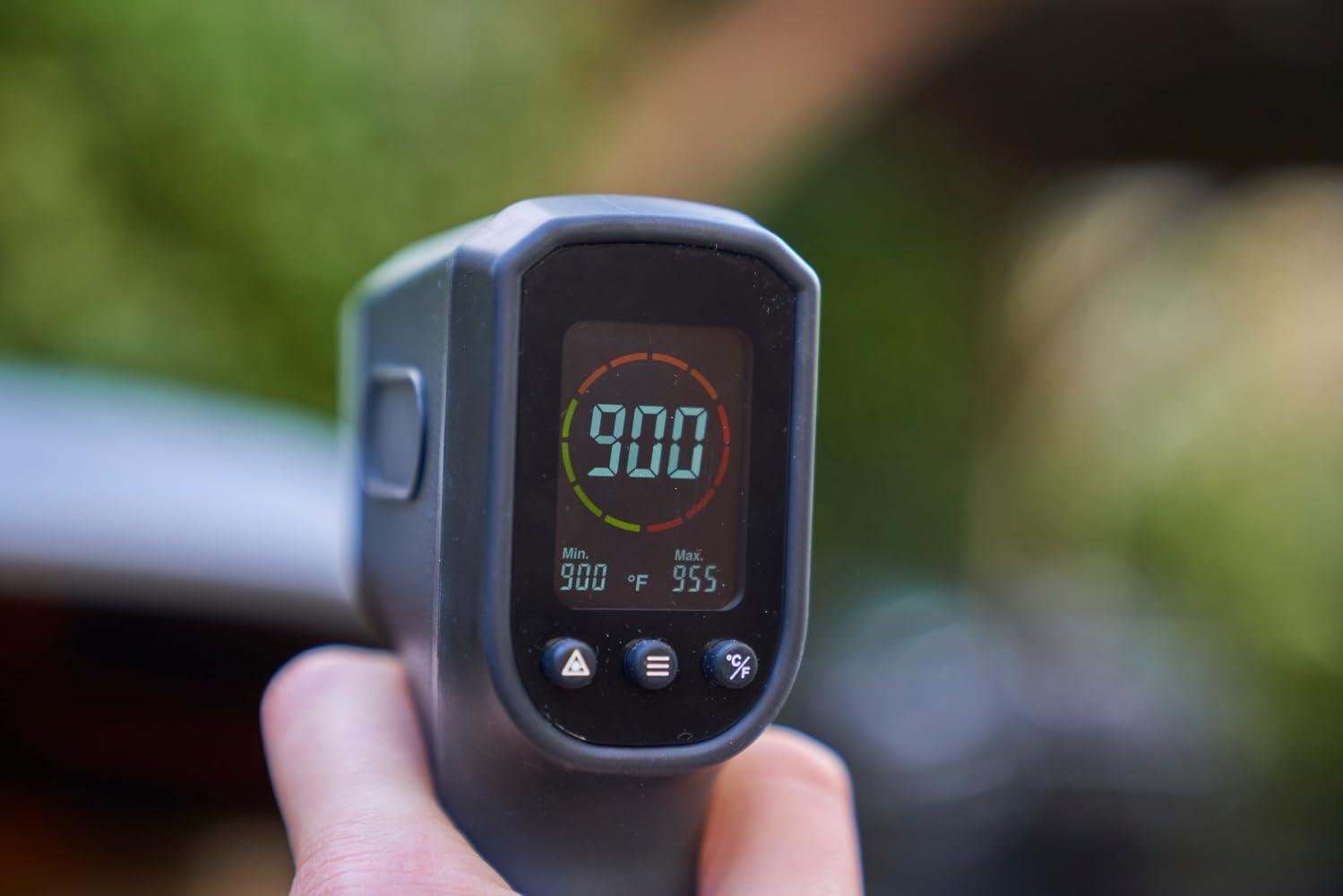
Accuracy impressed us in day-to-day cooking: the backlit, full‑color LCD locked onto surface temps in under 300 ms, and results stayed within about ±4°F of our references. Using Temperature Scan Mode, we quickly mapped hot and cool zones across pizza stones and grill grates, while the laser-guided spot mode nailed specific targets like the back corner of an oven deck. The color‑coded scale made it easy to read outdoors, and we appreciated being able to swap from cordierite stones to steel by tweaking the adjustable emissivity. Beyond pizza,it was handy for finding cold spots on walls and checking a chest freezer,echoing what many users report: instant,consistent readings that help decide exactly when the oven is truly ready.
| Scenario | Speed | Result | Pro Tip |
|---|---|---|---|
| Pizza stone (cordierite) | <300 ms | Stable ±4°F | Use Scan Mode to map the deck |
| Steel grate | Instant | Needed emissivity tweak | Lower emissivity for shiny steel |
| Chest freezer | Instant | Consistent spot checks | Measure several areas for average |
| Wall cold spots | Instant | Cold zones easy to find | Scan in a grid pattern |
What didn’t work: like any IR unit, it reads surface temperature only-not internal food temps-so it won’t replace a probe for meats. We also saw isolated user reports of display elements failing early and one gripe about a stubborn decal; we didn’t encounter these issues, but they’re worth noting. Reflections from glossy metal can skew results unless emissivity is adjusted, and rapid re‑aiming across wildly different materials may require a beat for your technique to catch up. That said, the included Duracell batteries and a removable hang loop make it grab‑and‑go simple, and its intuitive interface kept the workflow smooth.
- Use Scan Mode to chart min/avg/max and reveal hot paths and cool edges before launching a pizza.
- adjust emissivity when switching from stone to steel or other finishes to keep accuracy tight.
- Aim perpendicular and keep a consistent distance for repeatable readings.
- Remember: surface only-pair with a probe for internal temps.
- Clean the lens occasionally; dust can soften the laser spot and skew readings.
- Leverage the color scale outdoors for at‑a‑glance go/no‑go cues.
Check availability and today’s price
Our Recommendations for Pizza Ovens, Grills and Everyday Kitchens
For high-heat cooking-from blazing pizza stones to sizzling griddles-we’ve found this laser-guided infrared tool to be both fast and reliable. The backlit, full‑color LCD delivers readings in less than 300 ms, while Temperature Scan Mode tracks minimum, maximum, and average surface temps for better control across the cook. It’s calibrated for cordierite baking stones and includes an adjustable emissivity setting, so switching to steel, cast iron, or other finishes is simple. Accuracy lands within about ±4°F, and the color‑coded interface makes it easy to see when surfaces are in your target range. Note: it reads surface temperatures-ideal for stones, pans, and grill grates, not internal meat temps.
- Pizza ovens: Confirm stone readiness to avoid burnt tops or underbaked centers.
- Grills & griddles: Map hot and cool zones for even searing.
- Everyday checks: Spot cold patches on walls, verify chest‑freezer temps, and troubleshoot appliances.
- precision modes: Switch between laser spot readings and wider area scans with ease.
| Feature | What it does | Why we like it |
| Scan Mode | Shows min/max/avg | Levels out heat zones |
| Response Time | <300 ms | Instant feedback |
| Accuracy | about ±4°F | Consistent results |
| Display | Backlit, color‑coded | easy to read anywhere |
| Emissivity | adjusts for materials | Stone, steel, cast iron |
| Extras | Batteries + hang loop | Ready out of box |
In practice, we appreciated the simple point‑and‑read operation and the consistent, repeatable numbers across multiple ovens. Several users echo the ease of use and precision; a few have noted display color issues, so we recommend inspecting on arrival and storing it carefully between cooks. for dialing in stone temps, balancing grill heat, and tackling quick diagnostics around the house, this is a versatile, no‑fuss upgrade to our toolkit. check availability and today’s price
Customer Reviews Analysis
Customer Reviews Analysis
We sifted through customer feedback from pizza purists, backyard grillers, and weeknight cooks to see how Ooni’s Digital Infrared Thermometer performs in real kitchens. The verdict: it consistently earns praise for speed, accuracy, and making pizza-night temperatures foolproof-while a lone nitpick flags a minor out-of-the-box cleanup.
What Users Love
- Instant, accurate surface readings that help dial in pizza-stone temperatures, often around the 700-725°F sweet spot.
- hot-spot scouting: users map cooler and hotter zones in their ovens for more even cooks.
- simple operation with a clear LCD and a pleasant, secure grip.
- Looks the part: the black finish blends cleanly with black BBQs and pizza ovens.
- Versatility: from wood-fired ovens to indoor ranges, it’s become a “use it everywhere” tool.
| Theme | What customers say | Our takeaway |
|---|---|---|
| Accuracy | “Spot on” vs. calibrated ovens | Trustworthy numbers build confidence |
| Speed | Instant readings on the stone | Great for fast-moving pizza sessions |
| Ease | “Super easy to use” | Minimal learning curve |
| Control | Consistent crusts and balanced bakes | Temperature feedback = better results |
| Fit & finish | Good grip, readable screen, sleek look | Ergonomics and design get thumbs up |
Nuances and Notes
- Surface temps only: several reviewers stress it reads the stone or oven surface, not internal meat temperatures.
- One-off gripe: a buyer had to scrub off a decal, calling it unnecessary hassle.
| Pros (from customers) | Cons (from customers) |
|---|---|
| Accurate, instant, and reliable | Occasional sticker/decal cleanup |
| Easy to use and read | Not for internal meat temps |
| Ideal for pizza ovens and hotspots | – |
How Peopel Are Actually Using It
- Preheating pizza stones to target ranges (around 700-725°F) for predictable bakes.
- Turning off the oven and baking on residual heat for crisp crusts.
- Spot-checking different areas in wood-fired and outdoor pizza ovens to avoid burnt edges or gummy centers.
- Verifying home oven temps against prior calibration.
We also noticed applause arriving in multiple languages-“Très bon produits,” ”funktioniert super,” “Buenísimo”-which hints at broad, cross-market satisfaction. customers frame this thermometer as a must-have companion for Ooni and other pizza ovens: a small tool that makes a big difference in consistency, control, and confidence.
Pros & Cons
Pros & Cons
Here’s where Ooni’s infrared thermometer sizzles-and where it cools off.
| Best for | Not ideal for |
|---|---|
| Checking pizza stones, oven floors, and grill grates | Measuring internal meat temperatures |
| Fast mapping of hot/cold spots | Highly reflective chrome/polished steel (needs emissivity tweaks) |
| Daylight or nighttime cooks (easy-to-read display) | Tiny targets from far away (mind the spot size) |
Pros
- Blazing-fast readouts (under 300 ms) with min/max/average Scan Mode for a fuller temperature picture.
- dialed-in accuracy on cordierite baking stones and adjustable emissivity for steel,pans,and griddles (±4°F).
- Clear, backlit color LCD with optional color scale-easy to read in bright sun or by the grill at night.
- Simple workflow: switch between laser-guided spot checks and wider area scans without fuss.
- Helps us hit the sweet spot for pizza-confirming when the stone is truly ready to bake.
- Versatile beyond ovens: find cold spots on walls, sanity-check chest freezers, and balance oven zones.
- Thoughtful extras: Duracell batteries included and a removable hang loop for tidy storage.
Cons
- Surface-only readings-use a probe thermometer for internal doneness.
- Reflective/shiny surfaces can skew results unless we adjust emissivity; there’s a small learning curve.
- Priced at a brand premium versus generic IR guns.
- Isolated quality-control gripes reported (e.g., color display elements failing, decal cleanup needed).
- Distance-to-spot ratio matters-precise readings on small targets require getting closer.
| Spec snapshot | What it means for us |
|---|---|
| ±4°F accuracy | Reliable targeting for 700-800°F pizza stone temps |
| <300 ms read speed | Instant feedback when dialing in hotspots |
| Spot + Scan modes | From pinpoint checks to sweeping a whole surface |
| backlit color LCD | Legible indoors, outdoors, day or night |
Q&A
Q: What is the Ooni Digital Infrared Thermometer Gun?
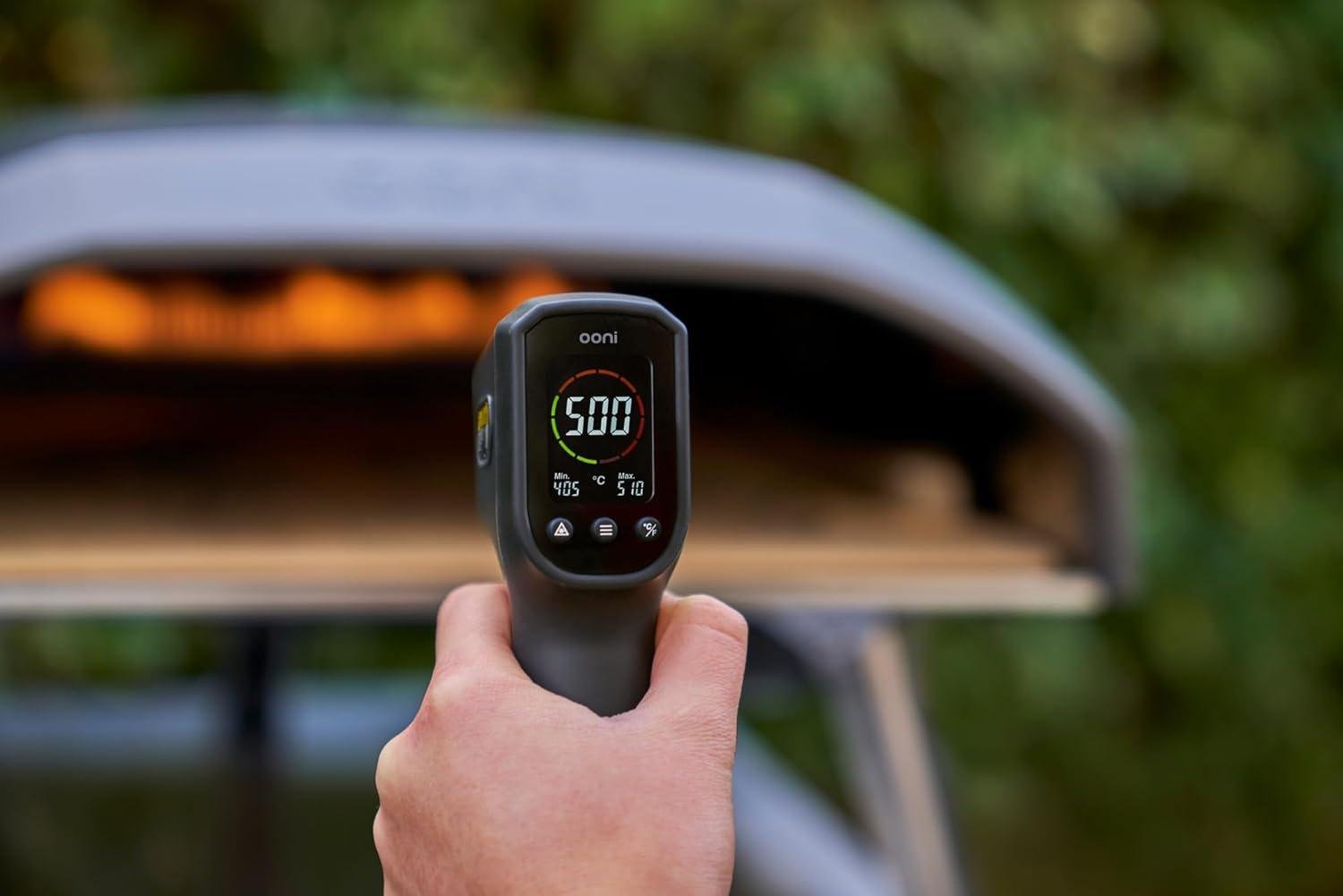
A: It’s a handheld, laser-guided infrared thermometer that reads surface temperatures on contactless targets-think pizza stones, steel griddles, cast-iron pans, grill grates, freezer walls, and more-on a bright, full‑color LCD.
Q: What stood out to us right away?
A: Speed and simplicity. It delivers a reading in under a third of a second,the display is easy to read indoors and out,and there’s a scan mode that tracks minimum,maximum,and average temps as we sweep across a surface.Q: How accurate is it?
A: Used correctly, it’s rated to about ±4°F. In our cooks, it lined up with calibrated ovens and gave repeatable results across multiple checks.
Q: Does it measure internal food temperature?
A: No. It reads surface temp only. for meat doneness, you’ll still want a probe thermometer.
Q: Why is it a good match for pizza ovens?
A: It’s calibrated for cordierite baking stones like the ones in Ooni ovens, so we can find the stone’s “sweet spot” before launching a pie.the scan mode doubles as a quick heat map of hot and cool zones.
Q: Can we use it on steel or other shiny surfaces?
A: Yes. There’s an adjustable emissivity setting to dial in readings on steel and other finishes. When in doubt, aim at a matte patch (flour dusting or painter’s tape works) for more reliable readings.
Q: How do we actually aim it?
A: Use the laser for pinpoint spot checks or switch to the wider scan mode to sweep an area. Hold steady, avoid steam plumes, and keep a consistent distance as you move.
Q: Is the screen readable outdoors?
A: The backlit,color display stayed legible in bright daylight during our outdoor cooks.
Q: What temperatures should we target for pizza?
A: It depends on style and oven. Rather of chasing a single number,we scan the stone to ensure the launch zone is uniformly hot and then recheck between bakes to avoid burnt bottoms or pale crusts.
Q: Does it help beyond pizza?
A: Definitely. We’ve used it to balance heat across a griddle, preheat cast iron to a searing zone, confirm grill grate temps, check a chest freezer, and even hunt for cold spots on walls.
Q: What’s included?
A: The thermometer, Duracell batteries, and a removable hang loop for storage.
Q: Any drawbacks we noticed or saw reported?
A: It costs more than generic IR guns, and a few users reported cosmetic display issues or annoying decals out of the box. Ours has held up so far, but it’s worth handling the screen with care.
Q: Safety tips?
A: Don’t point the laser at eyes. Keep hands clear of hot surfaces you’re measuring. And remember-no scanning people or pets.
Q: Maintenance basics?
A: Wipe the lens gently with a soft, dry cloth, keep it away from grease splatter when possible, and remove the batteries if you’ll store it long term.
Q: Will it replace our oven’s built-in thermometer?
A: For baking and searing, it’s more useful.built-in gauges report air temperature; this reads the surface your food actually touches-which is what makes or breaks a cook.
Transform Your World
Ooni’s Digital Infrared Thermometer does what we needed it to do: it takes the guesswork out of surface temps and gives us confidence before the first pie hits the stone. The readouts are fast, the LCD is bright in sun or shade, and the option to toggle between laser spot and wider scans makes dialing in hot and cool zones simple. We also appreciate the emissivity control for steel and other surfaces, plus the included batteries and hang loop.It’s not flawless-there are a few reports of screen and cosmetic hiccups, and the price sits above no-name IR guns. But if we’re cooking with an Ooni (or any high-heat setup) and want consistent bakes, this purpose-built tool measures up where it counts: speed, accuracy, and ease of use.
If your weekend plans involve dough, flame, or anything that runs hot or cold, this little laser earns a place in the kit. Ready to check today’s price and specs? see the Ooni Digital Infrared Thermometer on Amazon.