
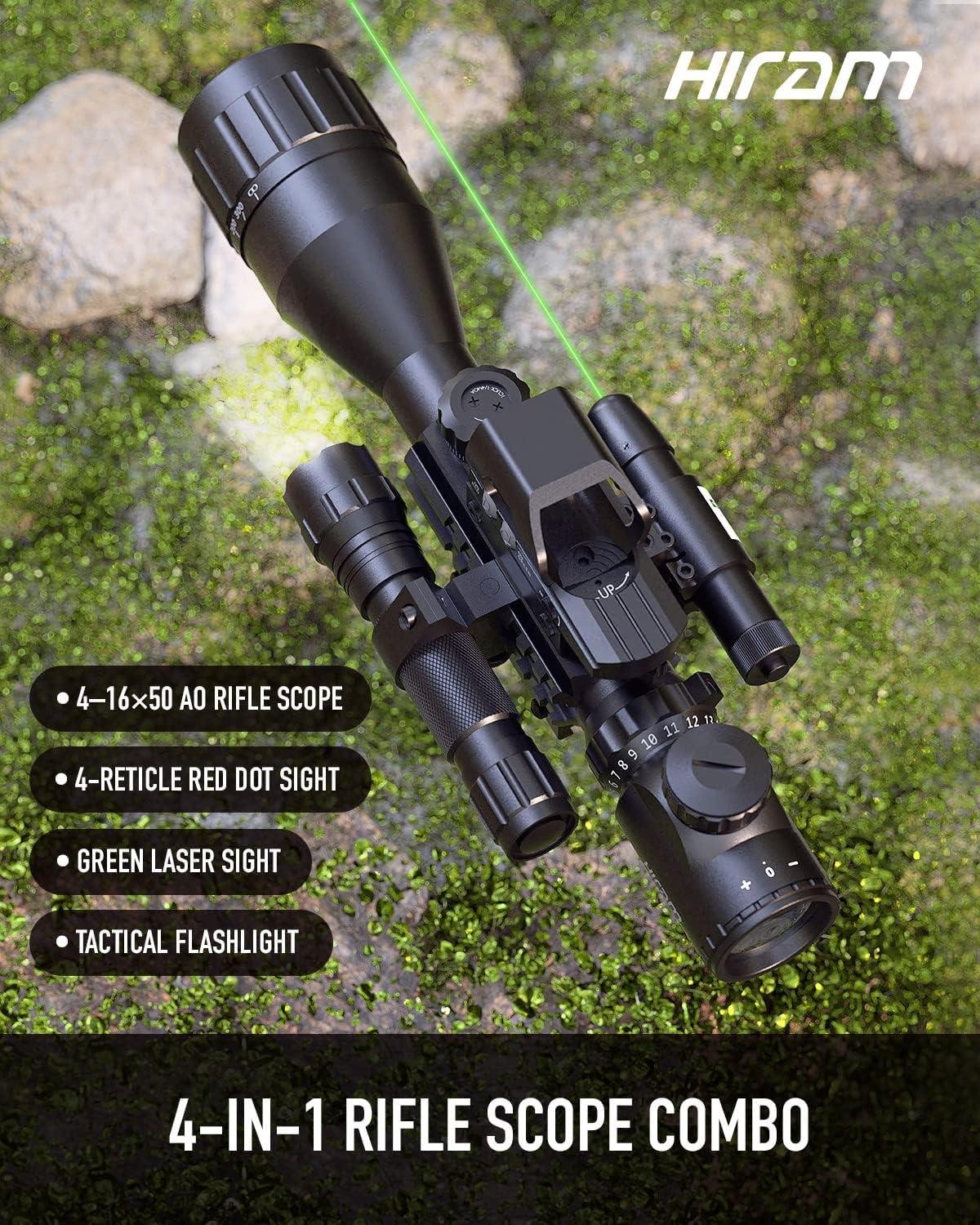
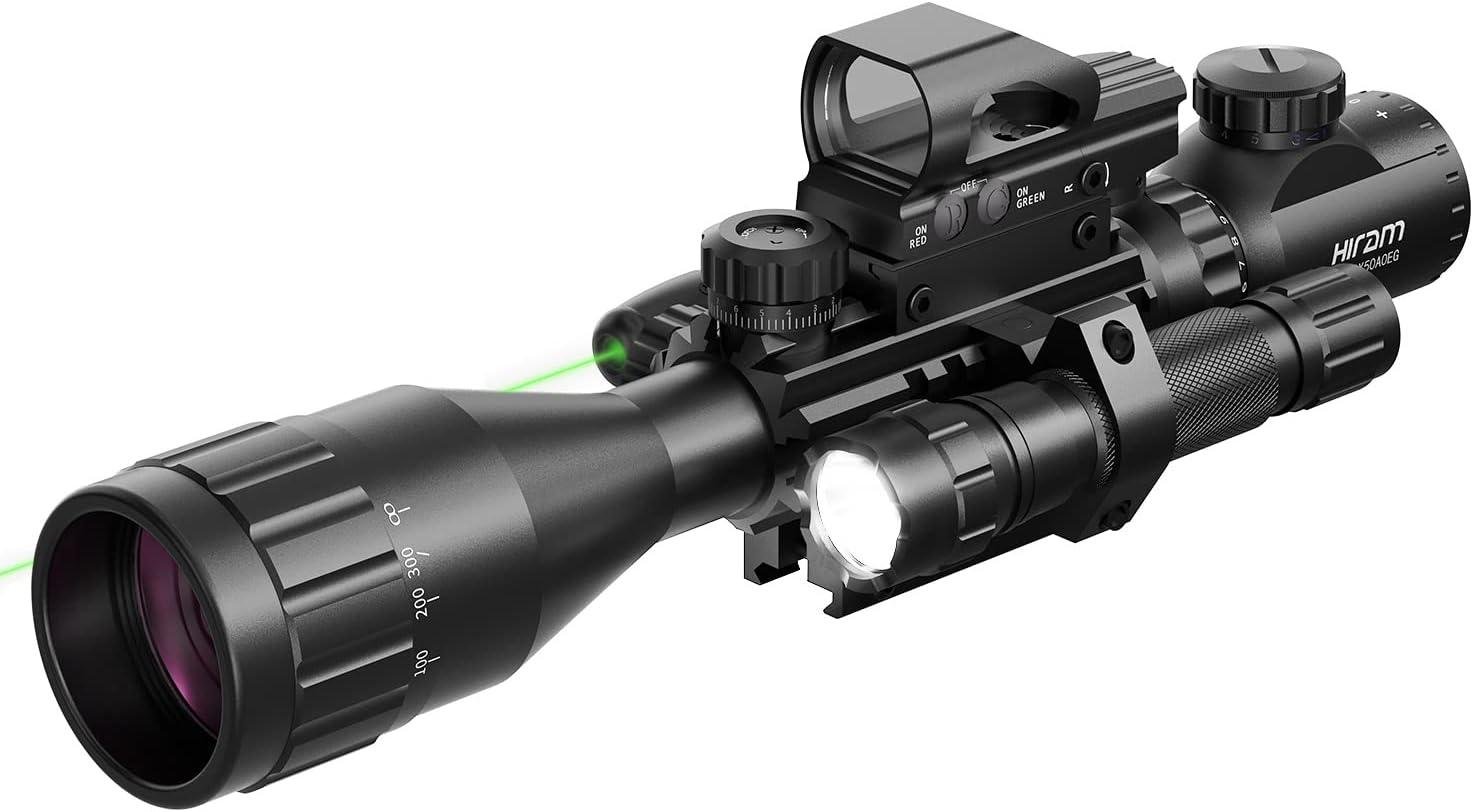
If you’ve ever wondered whether an all‑in‑one optic can actually simplify a rifle setup rather of complicating it, we had the same question-so we bolted the HIRAM Class 3R Laser Sight Scope Combo, 4.4mW 520nm, 4-16×50 AO Optical Scope with Reflex Sight, Light Module and Weaver Rail Mount onto our rail and took it for a proper shakeout. On paper, it’s a lot: a 4-16×50 AO scope with illuminated reticle, a reflex sight for rapid targets, a Class 3R 520 nm green laser (4.4 mW), and a light module, all bundled in a single aluminum package with Weaver-compatible mounts.
Our first hours with it were spent mounting and leveling, then zeroing at typical range distances before stretching things out. Right away, we noticed two truths of combos like this: convenience is real, and so is the weight. The main optic offered cleaner glass than we expected in this price bracket, the reflex sight made close transitions snappy (though its height will matter to some setups), and the green laser proved far more at home at dusk than under a noon sun. The light is a practical extra, but the assortment of batteries and switches demands a little forethought.
In this review,we’ll break down build quality,clarity through the magnification range,zero retention,the real-world usefulness of the laser and light,ergonomics,battery quirks,and whether this feature stack is better run as a full kit or pared down. We’ll also note Class 3R laser safety considerations as we go.
Our First Impressions of the HIRAM 4-16×50 AO Laser Sight Scope Combo
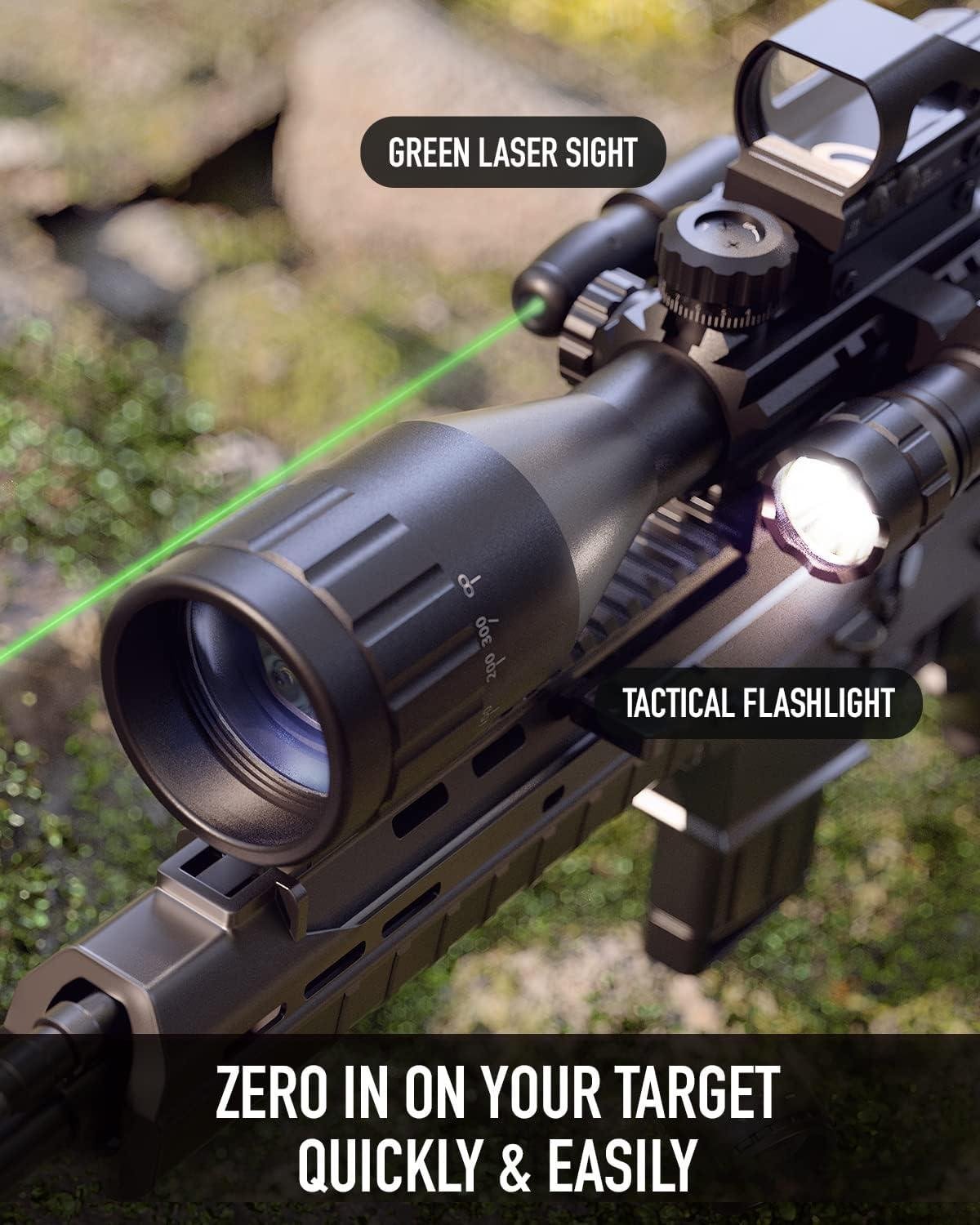
Right out of the box, this all-in-one setup feels thoughtfully put together, with a durable aluminum housing and sealed optics that give it a solid, confidence-inspiring heft. The 4-16×50 AO glass presents a clear, usable view for its class, and the illuminated reticle dials in with straightforward, tactile clicks. We appreciate the integrated approach: an optical scope as the mainstay, a reflex sight for rapid sighting, plus a light module and a green laser in a compact rail-mounted package. The Weaver-compatible mount and included hardware make initial fitment simple, and the overall feature density hints at strong value for money for shooters who wont a versatile combo without chasing multiple separate pieces.
- Optics: Adjustable objective with illuminated reticle for varied light conditions
- Laser: Class 3R green, 520nm, 4.4mW (tested to IEC/EN 60825-1:2014)
- Build: Sturdy aluminum construction with a unified accessory layout
- Mounting: Weaver rail compatibility with included components
- Value: Feature-rich package that competes well in its price tier
In early handling, we notice two immediate trade-offs: accessories add convenience but can add noticeable weight, and community feedback highlights mixed experiences with the laser/flashlight modules over time.On balance, the core scope feels better than budget norms, the reflex sight adds quick-acquisition utility, and the modular rails leave room to fine-tune the loadout. For us, the first impression is a feature-forward combo aimed at practicality and affordability, with expectations set appropriately-great on paper and promising in the hand, provided we keep an eye on accessory reliability and power management.
| Aspect | first-Look Take |
|---|---|
| Build | solid, well-finished aluminum |
| Optics | Clear for the class; AO is a plus |
| Laser/Light | Capable on spec; user reports vary |
| Weight | Noticeable with all modules attached |
| Value | High feature count for the cost |
Check availability and price on amazon
Features that Stood Out Optics Reflex 520nm Laser Light Module and weaver Rail Mount
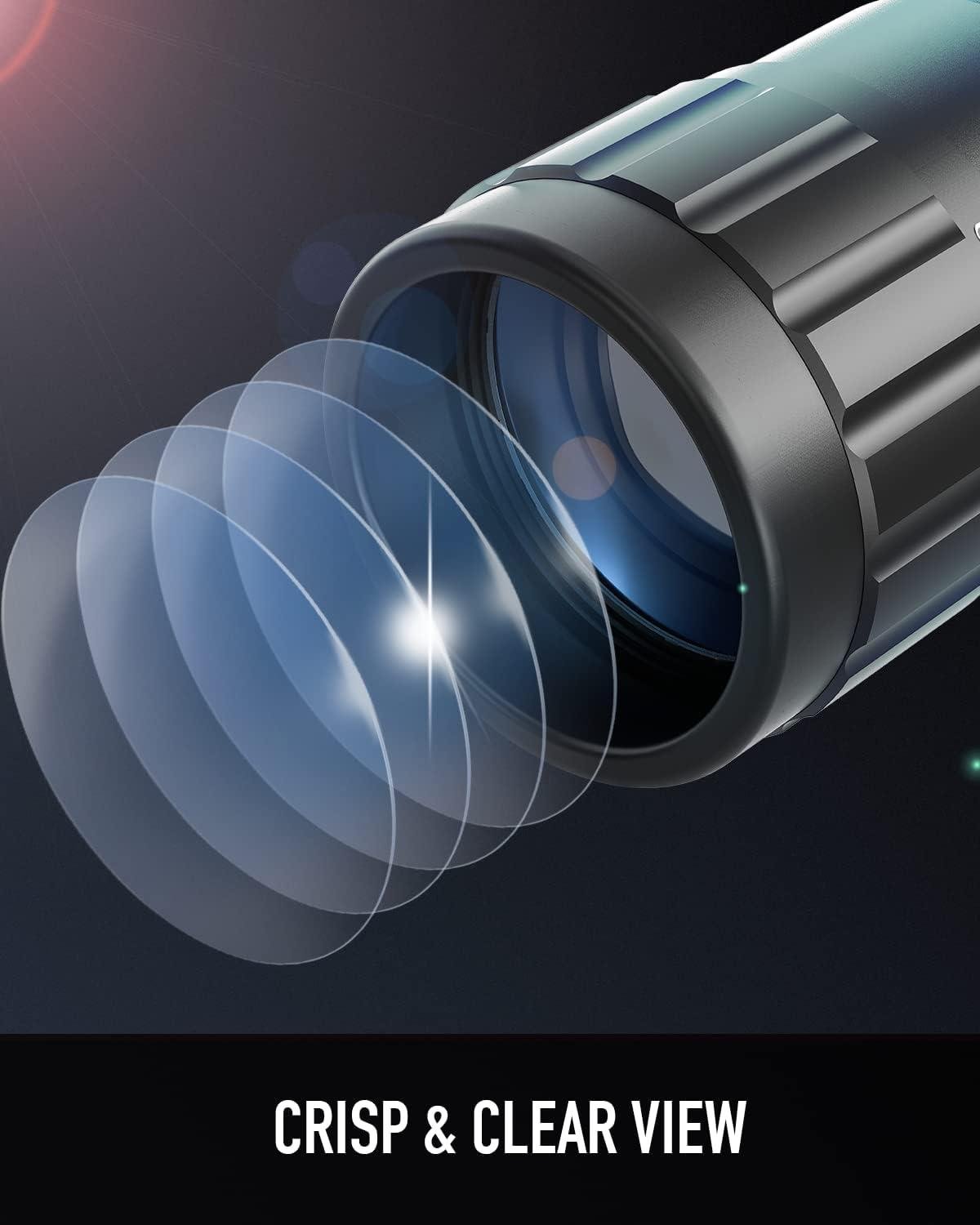
The optics and reflex pairing stood out for their flexibility and ease of use. We appreciated the 4-16×50 AO glass for its clear view at typical range distances and the illuminated reticle’s fine control in changing light. The reflex makes close-quarter transitions snappy, with multiple reticle choices in red or green and five brightness steps that don’t wash out the sight picture. Build quality feels solid thanks to the aluminum housing and tactile turrets, though the full rig can feel a bit heavy once everything’s mounted. On balance, zeroing was straightforward, and it held steady on lighter-recoiling platforms in our testing.
- AO parallax helps sharpen targets and reduce shift at varied ranges
- Illuminated Reticle with five levels in both red and green
- Reflex Sight offers quick target acquisition with multiple reticles
- Flip-up Caps and included mounts add practical, ready-to-run value
| Magnification | 4-16x AO |
| Reflex Options | Multi-reticle, red/green |
| Build | Aluminum, sealed optics |
| Weight Feel | Slightly heavy, well-planted |
The integrated 520nm green laser (Class 3R, ~4.4mW) is highly visible in low light and compliant with IEC/EN 60825-1:2014, while the light module delivers useful brightness for close work. Feedback around the laser/flashlight combo is mixed-some reports of early failures, others rock solid-so we kept spares on hand and checked connections after range sessions. The Weaver rail mount and three accessory positions made it easy to reconfigure or remove components to trim weight,and the kit’s value remains compelling for its breadth of features,provided we apply a dab of thread locker to the mounting screws and manage the mixed battery ecosystem (18650 for the light,button cells for dots/illumination).
- Laser Module: 520nm green, Class 3R (~4.4mW)
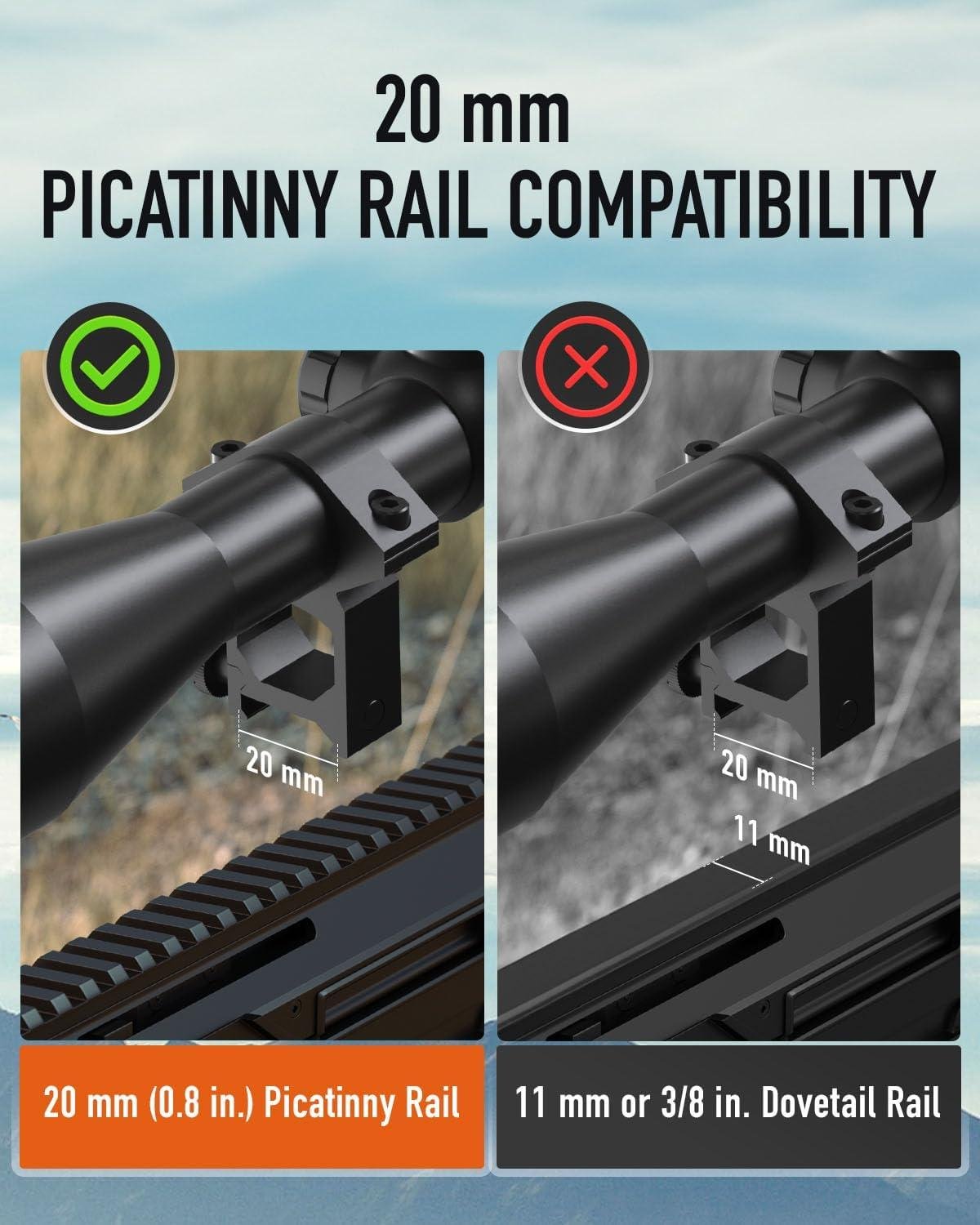
- Rail Fit: Weaver-compatible, flexible accessory placement
- Batteries: 18650 + button cells; keep extras handy
- Pro Tip: Use thread locker to curb screw walk after extended shooting
| Laser Visibility | Strong at dusk/night, modest in shining sun |
| Light Module | Bright, non-pressure switch |
| Value | Budget-pleasant, feature-rich |
Check current price and see today’s deals
In the Field Performance Clarity Tracking Zero Hold and Usability
In the field, the 4-16x AO glass delivers respectable clarity for the price, especially once we dial the adjustable objective. Detail at 100 yards remains crisp up through the higher magnifications, with only slight edge softness. The illuminated reticle (red/green, multiple brightness levels) stays defined, and the tactile turrets feel more precise than we expected-several sessions showed consistent return-to-zero on light to moderate recoil platforms. The reflex optic speeds up close targets, though some users note the mount height can crowd their view. Weight is the trade-off; it’s a substantial setup, but the modular rails make it easy to shed the light or laser to rebalance.
- Clarity: Clean center resolution; AO helps tame parallax.
- Tracking: clicks are positive; adjustments feel repeatable for casual range work.
- Zero hold: Solid on small/medium calibers; a few reports of shift under heavier recoil.
- Balance: Hefty overall; accessory removal lightens things quickly.
On usability,it’s a mixed bag-but mostly in a good way. the green laser is a Class 3R (520 nm, ~4.4 mW) module that’s easy to spot in lower light, though some buyers reported early failures alongside the flashlight; others had flawless performance. Controls are button-press (no pressure switches), and the accessory ecosystem means juggling multiple battery types-one unit even arrived with expired cells. The included flashlight runs an 18650, the reflex lacks auto-off, and a few users found the AO ring stiff or the threads quirky. Still, the aluminum build, clear optics, and customer support feedback push overall value well above the asking price.
| Scenario | What we observed | quick note |
|---|---|---|
| 100 yd paper | Clean reticle, stable zero | AO dialed in helps a lot |
| Close-quarter transitions | Reflex sight feels quick | Mount height can intrude |
| Recoil response | Holds on lighter calibers | Some drift on bigger bores |
| Laser/Light use | Bright, but reliability varies | Multiple batteries to manage |
| Hardware/knobs | Tactile, confident clicks | Check mounts after long sessions |
See current price and availability
Our Recommendations Setup Tweaks Battery Choices and Ideal use Cases
Setup tweaks that made the biggest difference for us were simple: confirm solid fit on your Weaver rail, level the reticle carefully, and use the adjustable objective to snap the image into crisp focus at your typical range. Because the add‑ons contribute noticeable heft, we treat this as a modular kit-run the bare scope for long sessions and add the reflex, laser, or light only when you’ll actually need them. With mixed owner feedback on the electronics, it’s smart to function‑check everything out of the box and reach out to support quickly if something’s DOA. The 520 nm Class 3R green laser (4.4 mW) is bright, but like most lasers it struggles in harsh midday sun; save it for low‑light or shaded scenarios and practice safe handling.a drop of medium threadlocker on mount screws has helped us avoid wandering zero from vibration without over‑torquing.
- Mount smart: Even tension on rings; re-check after a few range trips.
- Fine‑tune clarity: Diopter for your eye, AO for distance; avoid forcing a stiff objective ring.
- Trim the weight: Remove the light/laser when not needed; re-zero after any configuration change.
- Reflex placement: If the height feels intrusive, shift position or use an offset mount to open sight picture.
- Recoil reality: Best on low‑to‑moderate recoil platforms; heavy calibers may demand frequent re‑checks.
| Module | Common Cell | Quick Tip |
| Flashlight | 18650 li‑ion | Keep a charged spare; use a quality charger. |
| Reflex sight | CR2032 (typ.) | No auto‑off? Carry extras and power down between strings. |
| Green laser | LR44/AG13 or CR123A (varies) | Verify type under the cap; test on arrival. |
| Illuminated reticle | Coin cell (varies) | Label install date; dim settings extend life. |
For ideal use cases, we like this combo as a value‑driven all‑rounder: range days where you’ll benefit from 4-16x glass and illuminated reticle, carbine or rimfire builds where modularity trumps minimalism, and training sessions that alternate between quick sighting (reflex/laser) and precise holds (scope). It’s also handy for casual target spotting thanks to the 50 mm objective. To sidestep the most common owner gripes, start with fresh name‑brand batteries (some kits ship with aged cells), tighten mounting hardware once, and pack a small driver plus spare coin cells. Always follow local regulations and practice safe laser use-avoid eye exposure and reflective surfaces.
- Best fit: Plinking, varmint observation, steel at mid‑range, PCC/rimfire trainers.
- Value play: Excellent feature stack for the price; treat accessories as optional to manage weight.
- Reliability hedge: Test electronics early; keep spares; contact support promptly if needed.
See today’s price and availability
Customer Reviews Analysis
Customer Reviews Analysis
Here’s the twist: as of writing, we couldn’t locate a meaningful body of customer reviews specific to the HIRAM Class 3R Laser Sight Scope Combo (4.4mW 520nm, 4-16×50 AO with reflex sight, light module, and Weaver mount). That means there isn’t a clear public consensus-yet. Rather than speculate, we’re distilling what we typically see owners comment on for 4‑in‑1 optic/laser/light combos and how we’d parse those comments when they do appear.
| Feature | Positive Signs | Red Flags | Quick Reality Check |
|---|---|---|---|
| Zero Retention (Scope/Reflex/Laser) | Holds zero after range sessions; minimal shift | Frequent re‑zeroing; wandering laser dot | Confirm zero, shoot 20-30 rounds, re‑check all three |
| Glass & AO Clarity | Crisp edges at 16x; AO cleans up parallax well | Haze, tunneling, colour fringing at higher magnification | Read small print at 50-100 yds; adjust AO, note sharpness |
| Laser Visibility (520nm Green) | Daylight-visible at practical distances | faint beam outdoors; star-shaped or oblong dot | Check dot shape on white target at 25-50 yds daylight |
| Light Module | Usable hotspot; solid throw; no flicker | Dim output; rapid battery drain; weak mount | Compare to a known flashlight; test switch feel |
| Mount & Rail fit | Snug on Weaver/Picatinny; returns to zero | Loosening screws; canting; misfit on rails | Torque to spec; witness‑mark screws; re‑mount and re‑test |
| Controls & Ergonomics | Positive clicks; intuitive toggle between modules | Mushy turrets; awkward placement; stiff switches | Operate with gloves; count tactile clicks by feel |
| Battery Life | Predictable runtime; common cells | Short life; rare batteries; sudden cutouts | Time a continuous-on test; carry spares |
| Recoil Durability | No shift on moderate calibers over time | Modules drifting; reticle rotation; flicker under recoil | Document zero over multiple trips and calibers |
How We’d Read Early Owner Comments
- Look for specifics: distances, magnifications, and round counts matter more than “works great.”
- Weight vs. utility: 4‑in‑1 rigs add mass. Praise for balance and mounting options is a good sign.
- laser alignment: comments about coaxial alignment with the scope’s bore save headaches later.
- Tolerances: repeated mentions of solid machining and repeatable turrets suggest long‑term stability.
- Power management: consistent reports on battery type and runtime reduce ownership surprises.
| Ask Before you Buy | Why It Matters |
|---|---|
| Does the laser hold zero independently of the scope? | Separate impact shifts can defeat a combo’s purpose |
| What batteries do the laser and light use? | Availability and cost influence long‑term value |
| Any reported issues at 12-16x magnification? | high‑mag artifacts often surface here |
| Included mounts and torque specs? | Correct hardware prevents drift and damage |
| Return/ warranty details for electronic modules? | Electronics are the first to fail on budget combos |
Where to Watch for Credible Feedback
- Retailer Q&A and verified‑purchase sections for mounting and zero retention notes.
- Shooting forums for caliber‑specific recoil reports and long‑term updates.
- Video demos that show targets, distances, and reticle/laser alignment in real time.
Bottom line: until owner data accumulates, we’d weigh this 4‑in‑1 on execution details-zero stability across modules, glass performance at the top end of magnification, and mounting integrity. If you pick one up, keep notes on zero, round count, and battery performance; your experience will be the review we all need.
Pros & Cons
Pros & Cons
In Laser, Light, and Glass: Our 4‑in‑1 HIRAM Review, here’s where this combo shines-and where it casts a shadow.
| Pros | Cons |
|---|---|
|
|
Note: Integrated Class 3R green laser (≈4.4 mW, 520 nm). Follow all laser safety guidelines and local regulations.
Q&A
Q: What exactly do we get in this 4-in-1 combo?
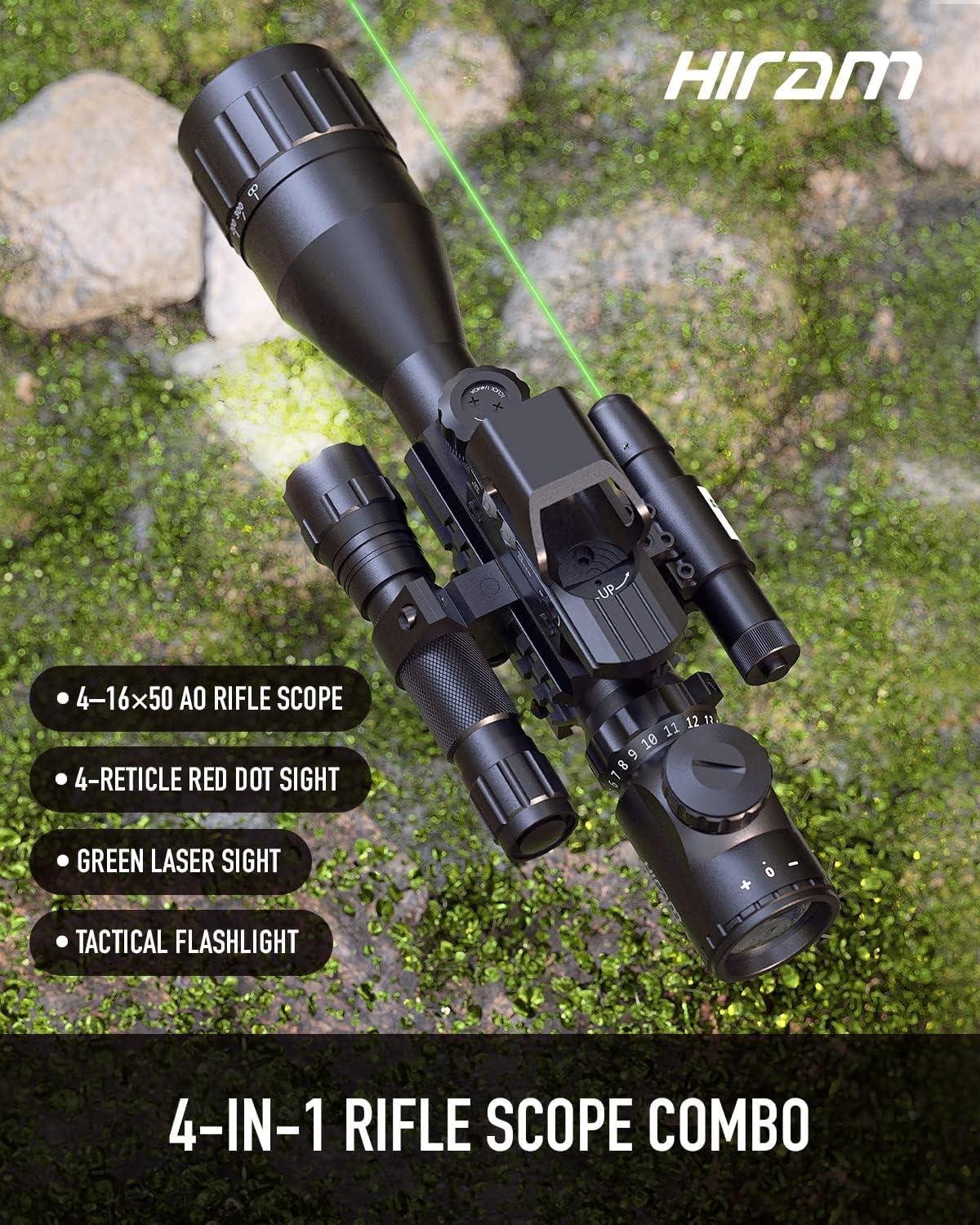
A: A 4-16×50 AO optical scope with illuminated reticle, a reflex (red/green) sight, a green Class 3R laser module (4.4 mW at 520 nm), a flashlight module, and a Weaver-style rail mount system with hardware. The scope body also has mini rails so the light and laser can ride shotgun or be removed entirely.
Q: How does the glass look for the price?
A: Better than we expected. It’s not premium European glass, but it’s clear and usable through the range, especially in the mid magnifications. The adjustable objective helps tame parallax at common distances, and the illuminated reticle has practical brightness steps.
Q: Does it hold zero?
A: On lighter-recoiling platforms (think .22 LR, 9mm PCC, .223/5.56), we and several buyers have had no issue once it’s properly mounted and torqued. On harder-recoiling calibers,reports are mixed-some users struggled to keep the main scope zeroed. if your rifle bucks, we’d treat this as a budget experiment, not a duty-grade solution.
Q: Is it heavy?
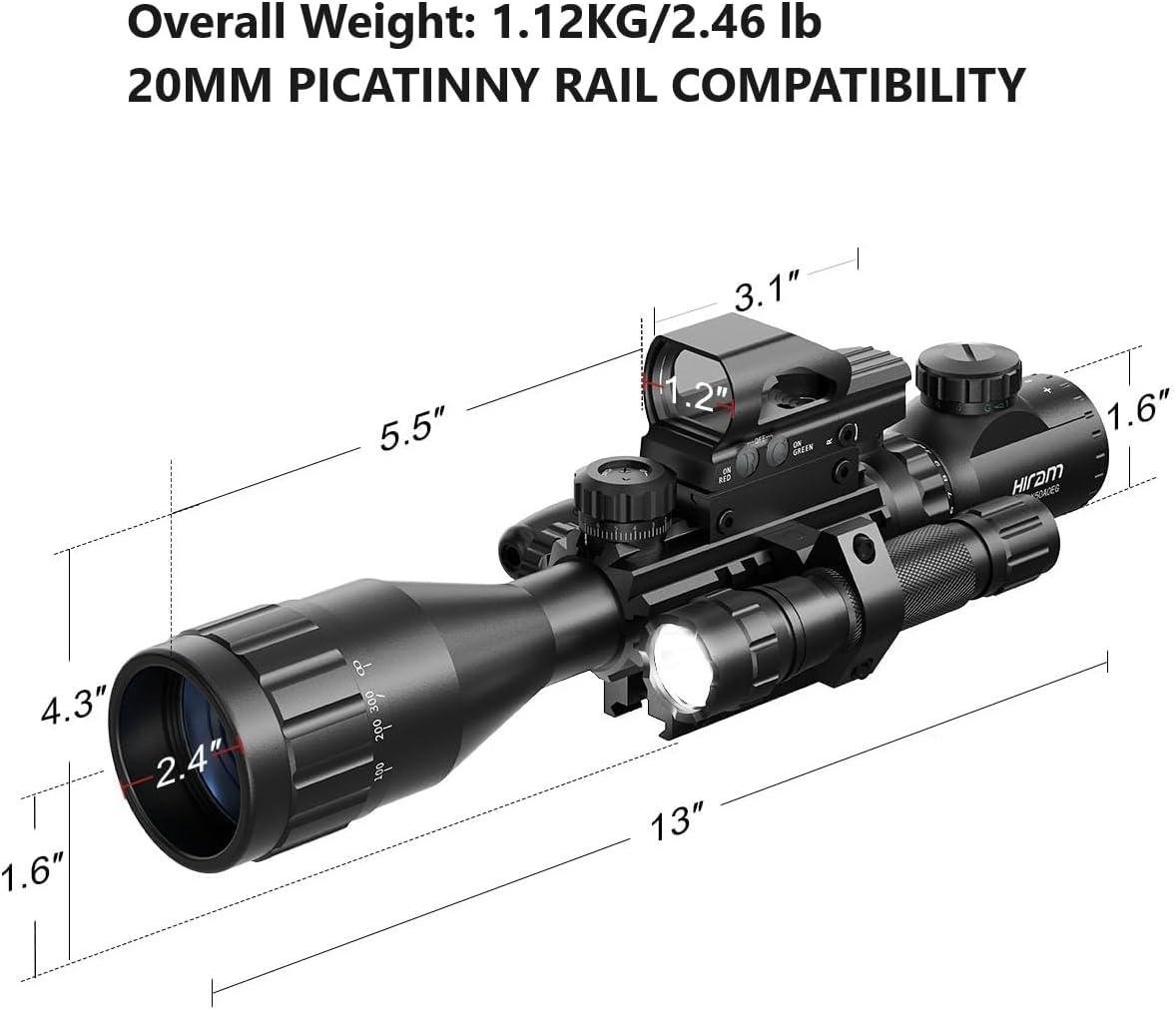
A: With all four parts installed, yes-this combo adds noticeable heft.The good news: the laser and flashlight are modular. We often strip it down to “glass + one” to lighten the load.
Q: How’s the laser in daylight and at night?
A: it’s a Class 3R green laser (4.4 mW, 520 nm). In low light and dusk it’s easy to pick up; midday sun washes it out faster, as expected. As with any 3R laser, avoid eye exposure, don’t point at aircraft or vehicles, and follow local laws.
Q: Do the electronics feel reliable?
A: Mixed bag. Many units run fine; a minority of users reported DOA or early failures for the laser or flashlight. The modules are standard sizes on mini rails, so replacements or upgrades are straightforward if you want to swap in higher-grade pieces.
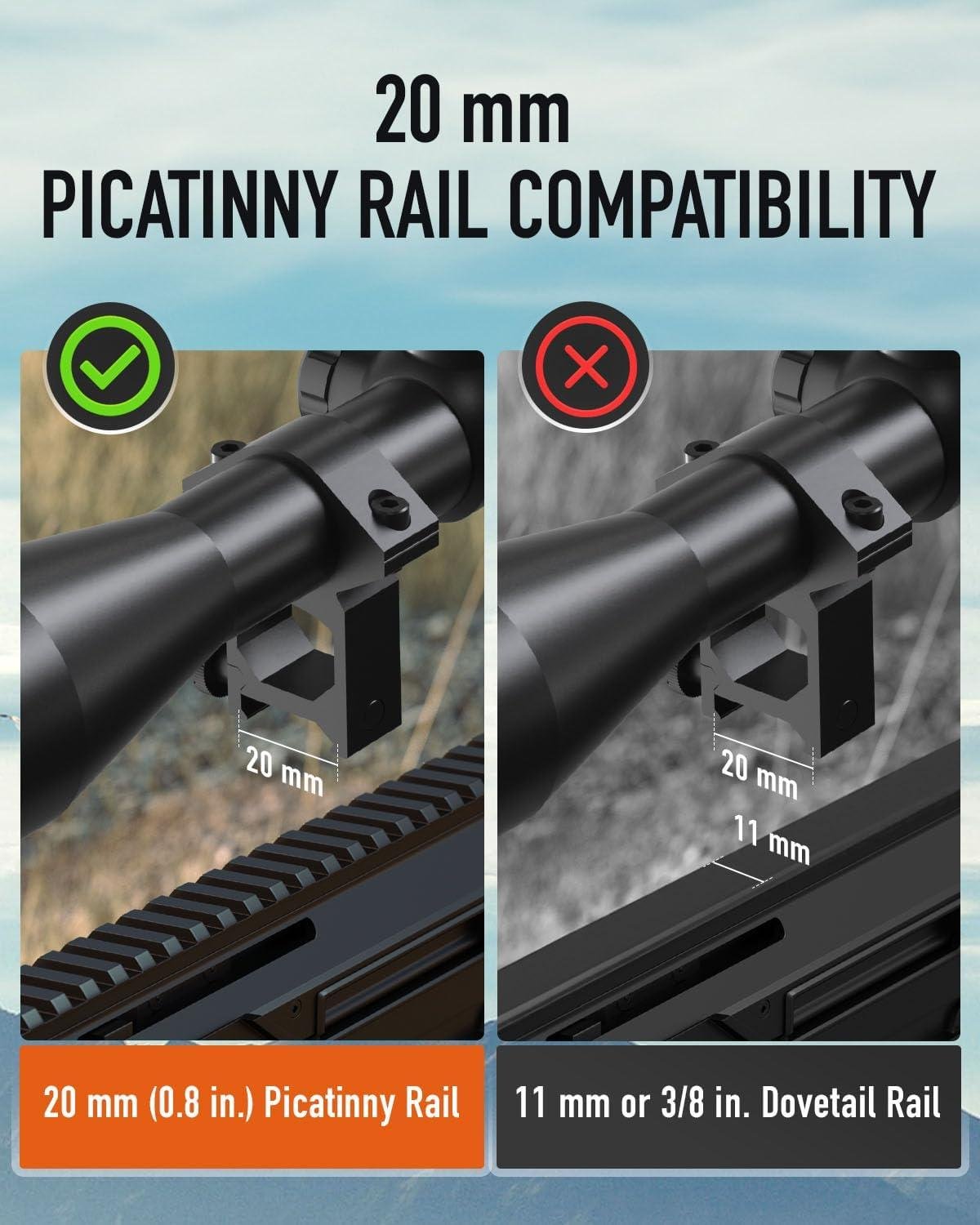
Q: What rails will this mount on?
A: It’s built for Weaver, and it’ll fit most Picatinny rails as well. Check clearance for bolt handles on some hunting rifles, and always confirm ring spacing before tightening things down.
Q: Which batteries does it use?
A: Multiple types. Commonly: a coin cell for the illuminated reticle, another coin cell for the reflex sight, an 18650 rechargeable for the flashlight, and small button cells (or a compact primary) for the laser. We plan on replacing any included cells with fresh, reputable brands and keeping labeled spares in our range kit.
Q: Can we co-witness the reflex with iron sights?
A: not realistically. The reflex sits high atop the main scope, which is great for quick, close transitions but too tall for co-witnessing most irons.
Q: How does the reflex sight perform?
A: when you get a good sample, it’s a handy, fast-acquisition tool with multiple reticles and colors. A few buyers reported blurry reticles or short battery life. If you’re picky about dots, consider budgeting for a future upgrade-it mounts on a standard mini rail.
Q: Is the flashlight any good?
A: Bright enough for general use and close work, with the perk of an 18650 cell. It’s not a premium duty light, and it lacks a pressure switch. Think utility, not tactical perfection.
Q: Who is this combo best for?
A: Tinkerers and budget-minded shooters who want “all-in-one” versatility for range days, small-game plinking, or rimfire/5.56 setups-and who don’t mind dialing and refining the setup over a couple of sessions.
Q: Who should probably skip it?
A: Weight-sensitive hunters, long-range precision obsessives, and anyone running heavy-recoiling calibers who expects bombproof tracking and zero retention.
Q: Any mounting tips from our bench time?
A: - Degrease contact points and use blue threadlocker on mount screws.- Level the scope carefully; don’t overtighten the rings.
– Zero the main scope first, then align the reflex and laser to your preferred offset/distance.
– Recheck torque and zero after the first range trip.
Q: Weatherproofing: can we get caught in the rain?
A: The aluminum construction feels solid, but the brand doesn’t trumpet IP ratings. We treat it as weather-resistant, not submersible-wipe it down after wet sessions and protect the turrets.
Q: Value verdict?
A: Strong for the price. the glass and feature set punch above their weight; the accessories are the compromise. If you go in expecting mid-tier optics with entry-level electronics-and the option to upgrade pieces later-you’ll likely be pleased.
Q: Any last safety notes?
A: Always follow the four rules of firearm safety, verify your backstop, and handle the Class 3R laser responsibly. Check your local regulations for laser use and illuminated sight legality before heading out.
Unlock Your Potential
Closing the case on Laser,Light,and glass: Our 4-in-1 HIRAM Review,we’re left with a combo that feels like a toolbox on rails. The scope’s glass delivers respectable clarity for the price, the reflex sight speeds up close targets, and the bundled light and Class 3R green laser add versatility-though reliability reports on the laser/light are mixed and the full setup can feel weighty. Value is the headline; refinement is not.
Who will like it? Budget-minded builders and casual range-goers who want an all-in-one starter rig with room to tinker. Who should pass? Ounce-counters, heavy-recoil shooters, or anyone who needs duty-grade durability out of the box. As always, confirm rail compatibility, mind battery types, and use the laser responsibly and within local regulations.
If this sounds like your kind of 4-in-1, see today’s price and details here:
Check the HIRAM Class 3R Laser Sight Scope Combo on Amazon