
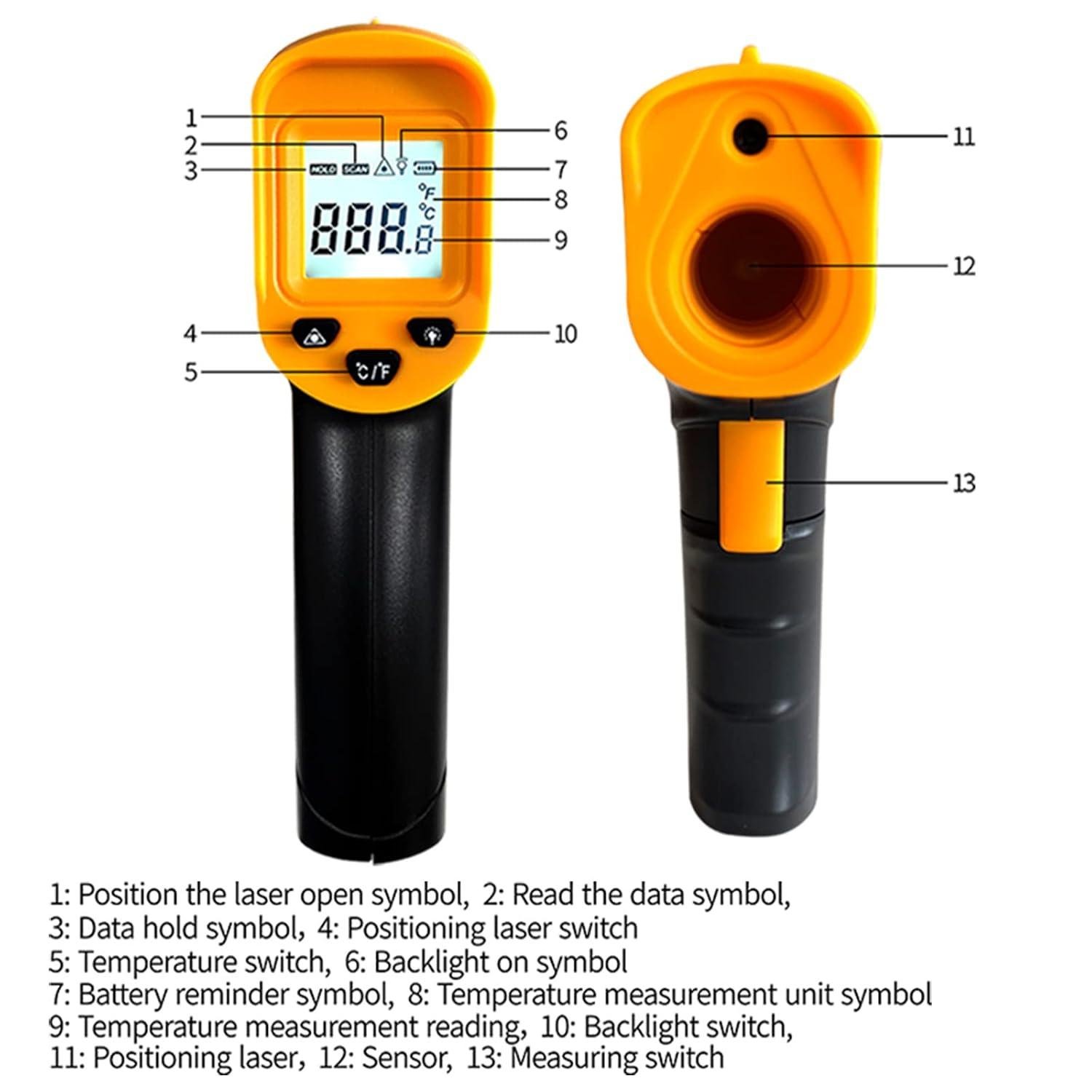
If you cook with fire, steelor stone, you no timing is only half the battle-temperature is the rest. That’s why we’ve been putting the Digital Infrared Thermometer gun for cooking, BBQ, Pizza oven, Ir Thermometer with Backlight, -58℉~932℉ (-50℃~500℃) Handheld Non Contact Heat Laser Temperature Gun (Not for Human) through its paces in our kitchen and on the patio. We’ve pointed it at a roaring pizza stone, a shimmering cast-iron skillet, griddle zones, grill grates, even the freezer gasket, too see whether this budget-friendly laser gun can earn a permanent spot in our cooking kit.
Out of the box, it’s lightweight and straightforward: squeeze the trigger to scan, release to hold the readingand let the backlit LCD do its thing. We like the simple °C/°F toggle, the bright display for late-night grillingand the auto shutoff after about eight seconds to save the two AAA batteries. With a fixed emissivity of 0.95, it’s tuned for most painted and organic surfaces; for shiny stainless or polished metal, we followed best practice-masking tape or a dab of flat black paint-to get more reliable readings.
Given the mixed chatter we’d seen about accuracy, buildand battery life, we approached this unit with measured expectations. After several cooks and a handful of side-by-side checks, we’ve gathered enough first-hand notes to separate sizzle from substance. and yes, we’ll say it again before we start: this one is not for taking human temperatures.
Our Hands On Overview of this Infrared Kitchen and BBQ Tool
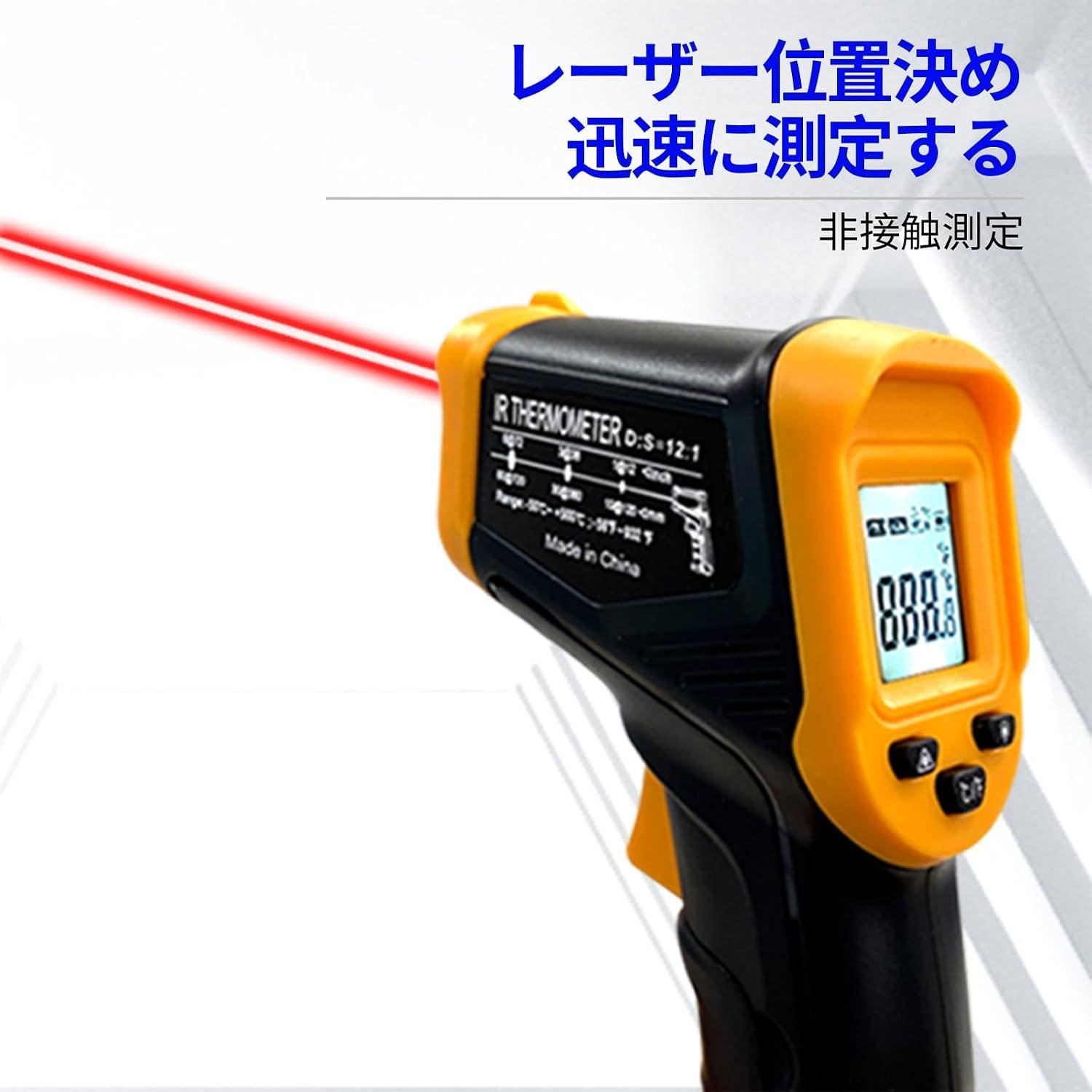
In use, this handheld IR gun proved speedy and intuitive: squeeze the trigger for a live SCAN, release for a HOLD readingand the bright backlit LCD stays easy to read by the grill or smoker at night. The wide range from -58°F to 932°F (-50°C to 500°C) let us bounce from freezer checks to screaming-hot pizza steel without fuss. We appreciated the preset emissivity 0.95, which pairs well with most cookware and griddles; on shiny or polished metals, a strip of masking tape or a swipe of flat black paint delivered more trustworthy results. The automatic ~8‑second power-off helps conserve the two AAA batteriesand the 0.1° resolution makes dialing in a target temp surprisingly straightforward.
- Bright backlight: Clear readings in low light by the grill or oven.
- SCAN/HOLD modes: Lock temps to compare hotspots across grates and pans.
- Wide temp span: From chilling to searing, it covers everyday cooking and BBQ.
- Auto power save: Cuts power after ~8 seconds to stretch battery life.
- Emissivity preset: Great for matte surfaces; use tape/paint on shiny metals.
| Feature | In Our Hands |
|---|---|
| Response | Fast point-and-shoot checks |
| Accuracy | Solid on matte; prep shiny surfaces |
| Display | Large, bright, easy to read |
| power | 2×AAA; auto-off helps |
| Best Uses | Grill grates, griddles, pizza stones, oil preheat |
As a daily driver around the kitchen and patio, we found it convenient, versatileand good value for quick surface checks-great for spotting cold zones on a griddle, verifying pizza stone readinessor confirming oven calibration. Do note that user feedback on accuracy, battery life, durability, and build feel is mixed; stick to proper surfaces, mind emissivityand use it as a handy guide rather than a lab instrument. And remember, it’s not intended for measuring people. Ready to add a reliable non-contact temp checker to yoru toolkit?
See today’s price and grab yours on Amazon
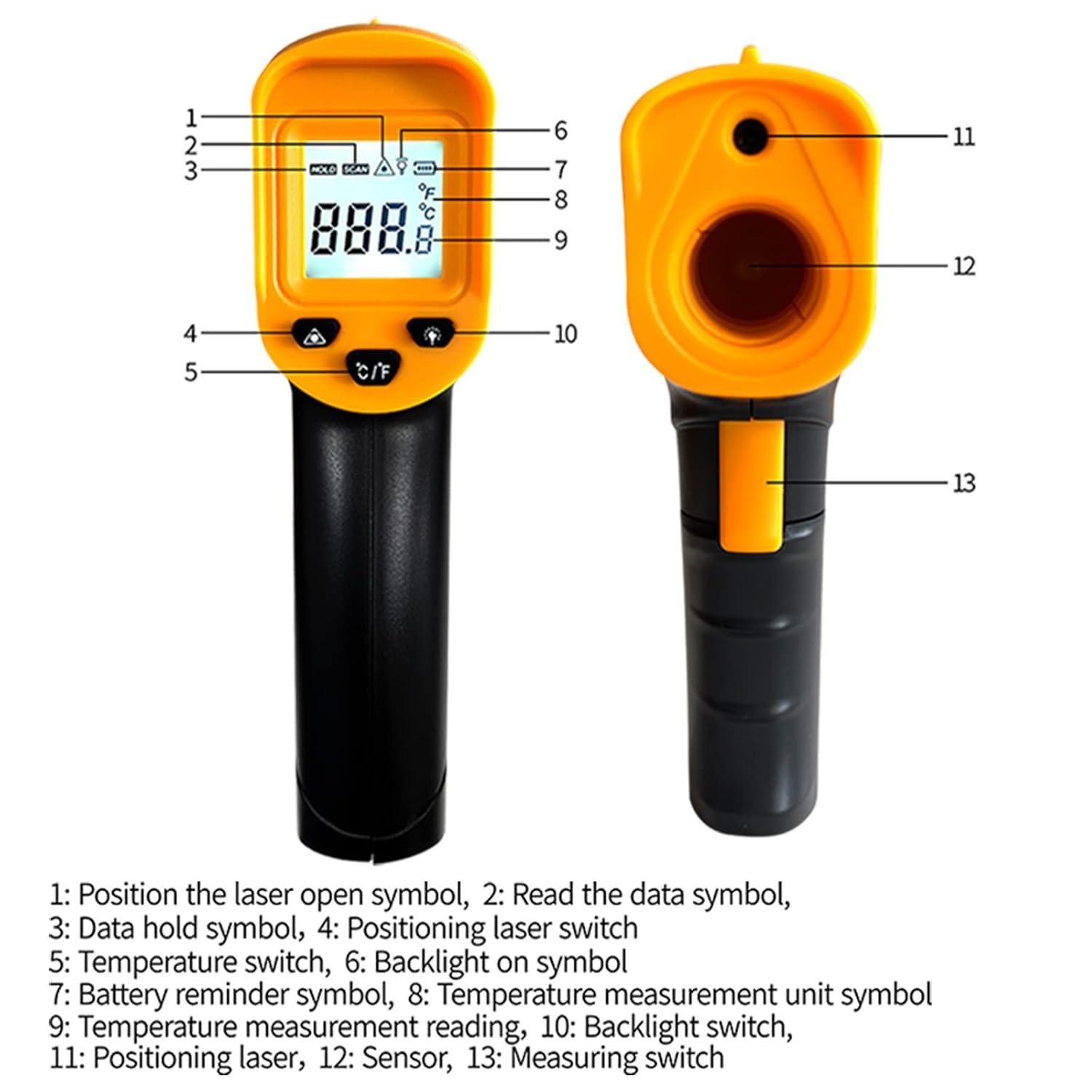
Features We Rely On Range Backlight and Laser Aiming
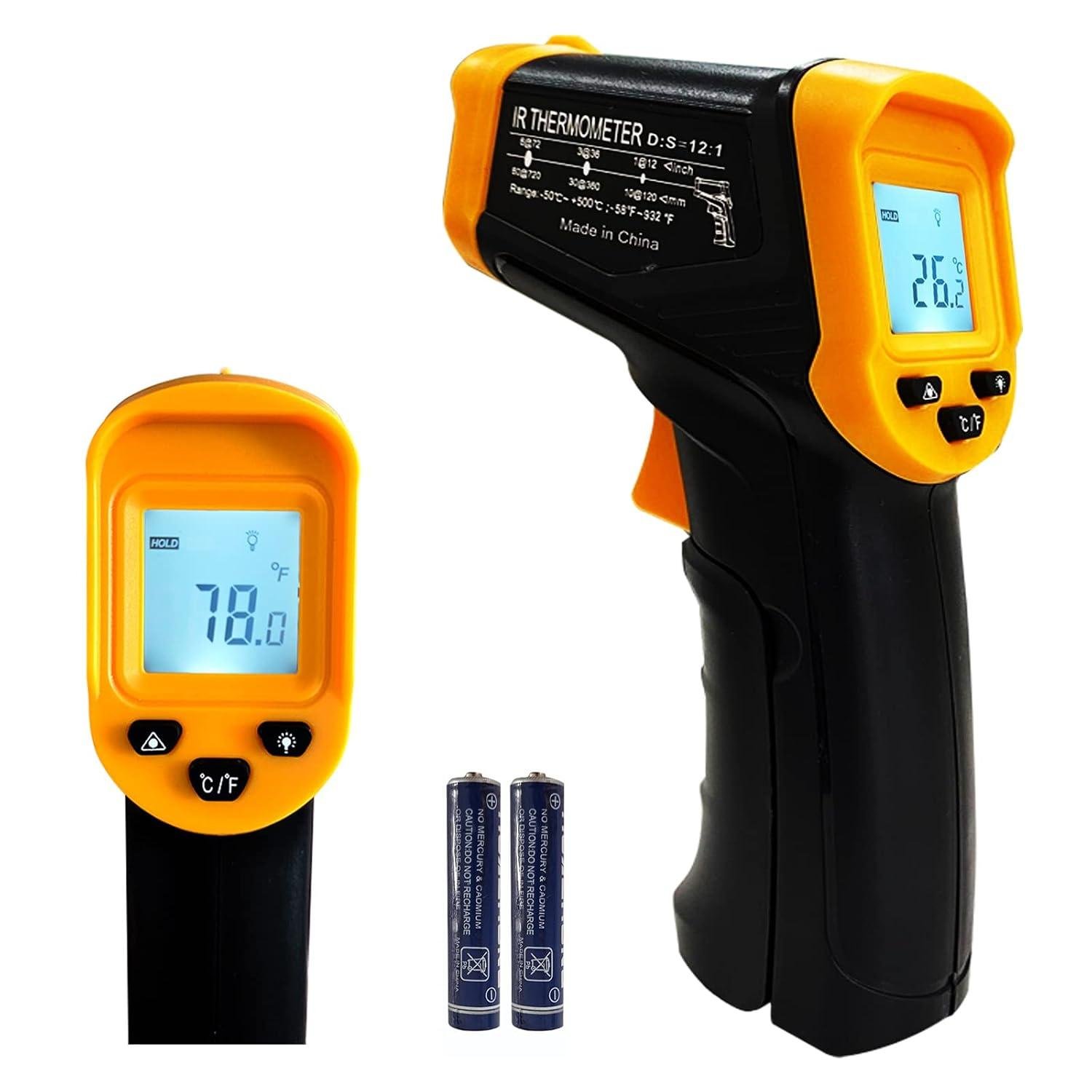
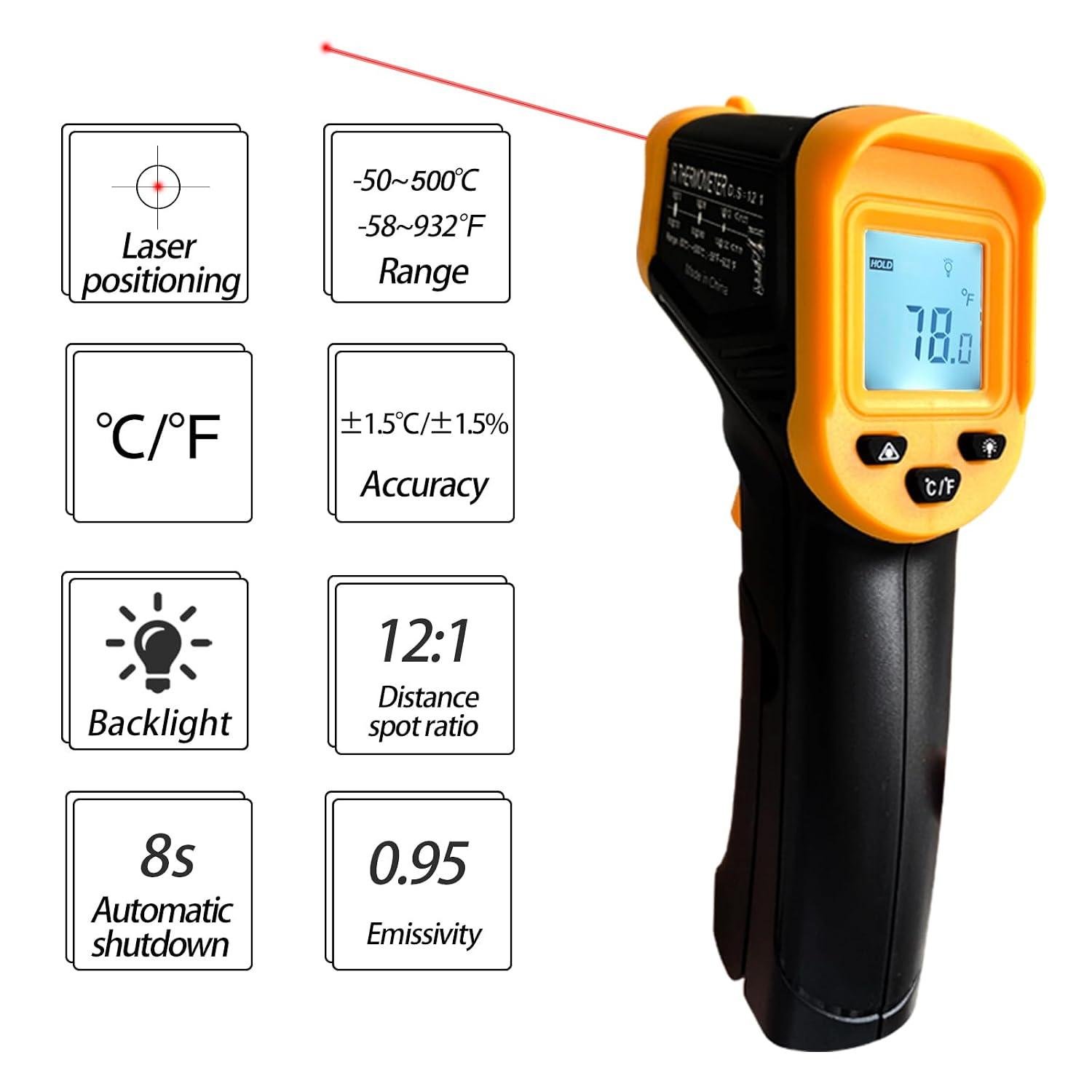
Range is where this unit earns its keep. Spanning -58℉ to 932℉ (-50℃ to 500℃), it covers everything we throw at it-from freezer checks and chocolate tempering to roaring pizza stones and grill grates. The LCD backlight makes the readout pop in dim kitchens and backyard nightsand the simple SCAN/HOLD icons help us capture and keep a reading the instant we release the trigger. Add the ~8-second auto power-off and we’re not burning through AAA batteries between weekend cooks.
for pinpoint control, the laser aiming guides our spot checks on hot zones across griddles, cast-iron pans, and oven walls. With a preset emissivity of 0.95, it’s dialed for most organic and painted surfaces; when we hit shiny metal, a quick strip of masking tape (then measure the tape) tightens consistency. Feedback on accuracy and battery life is mixed in customer reviews, but in our experiance the backlit display stays easy to read, the grip feels serviceable for the priceand results are most reliable when the target surface suits IR measurement (this is for surfaces, not people).
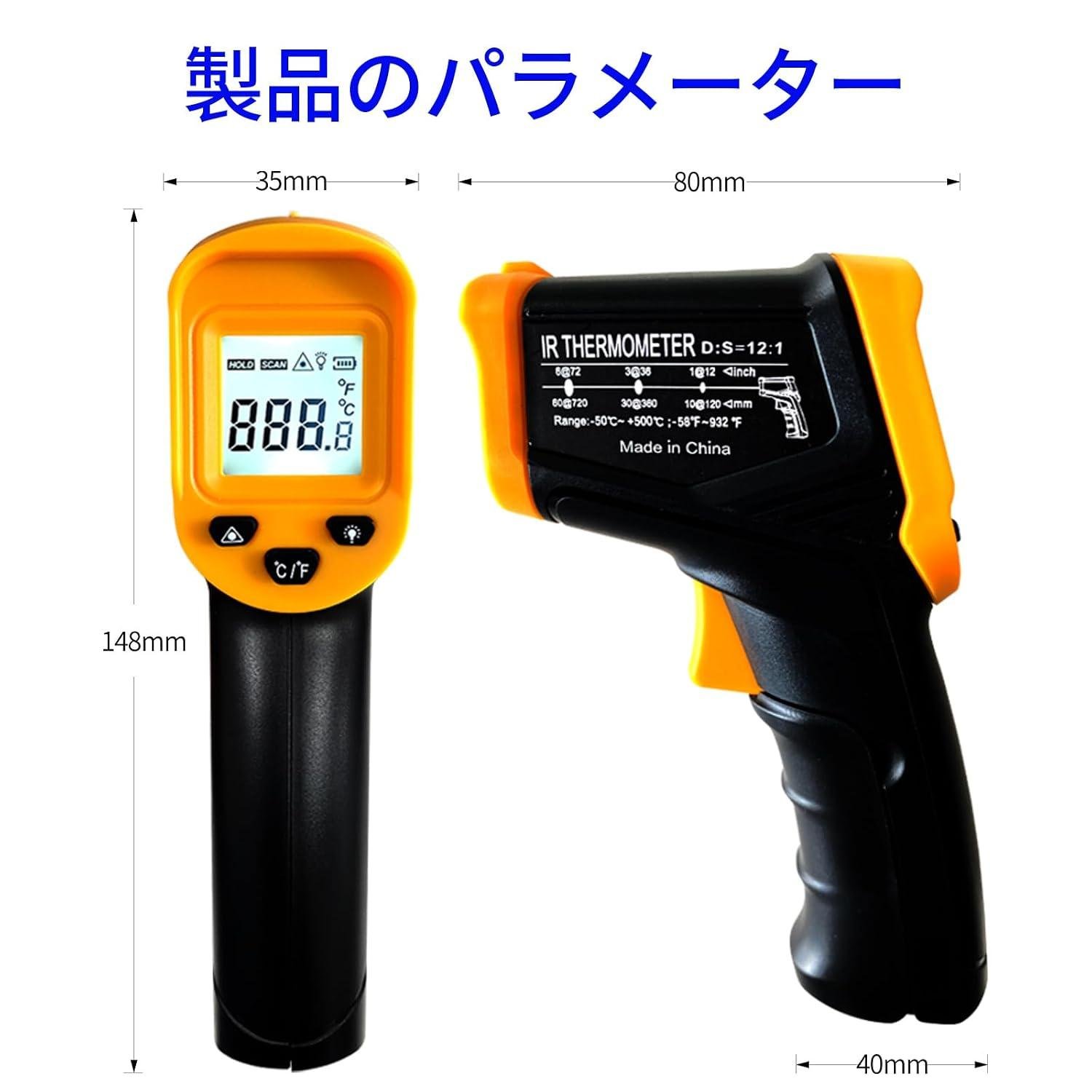
- Temperature range: -58℉ to 932℉ (-50℃ to 500℃)
- Backlit display: Clear at a glance,even outdoors at night
- Laser guide: Helps aim at precise spots and hot edges
- Data Hold: Locks the last reading after trigger release
- Auto shutoff: About 8 seconds to conserve power
- Emissivity 0.95: Suits most surfaces; use tape on shiny metal
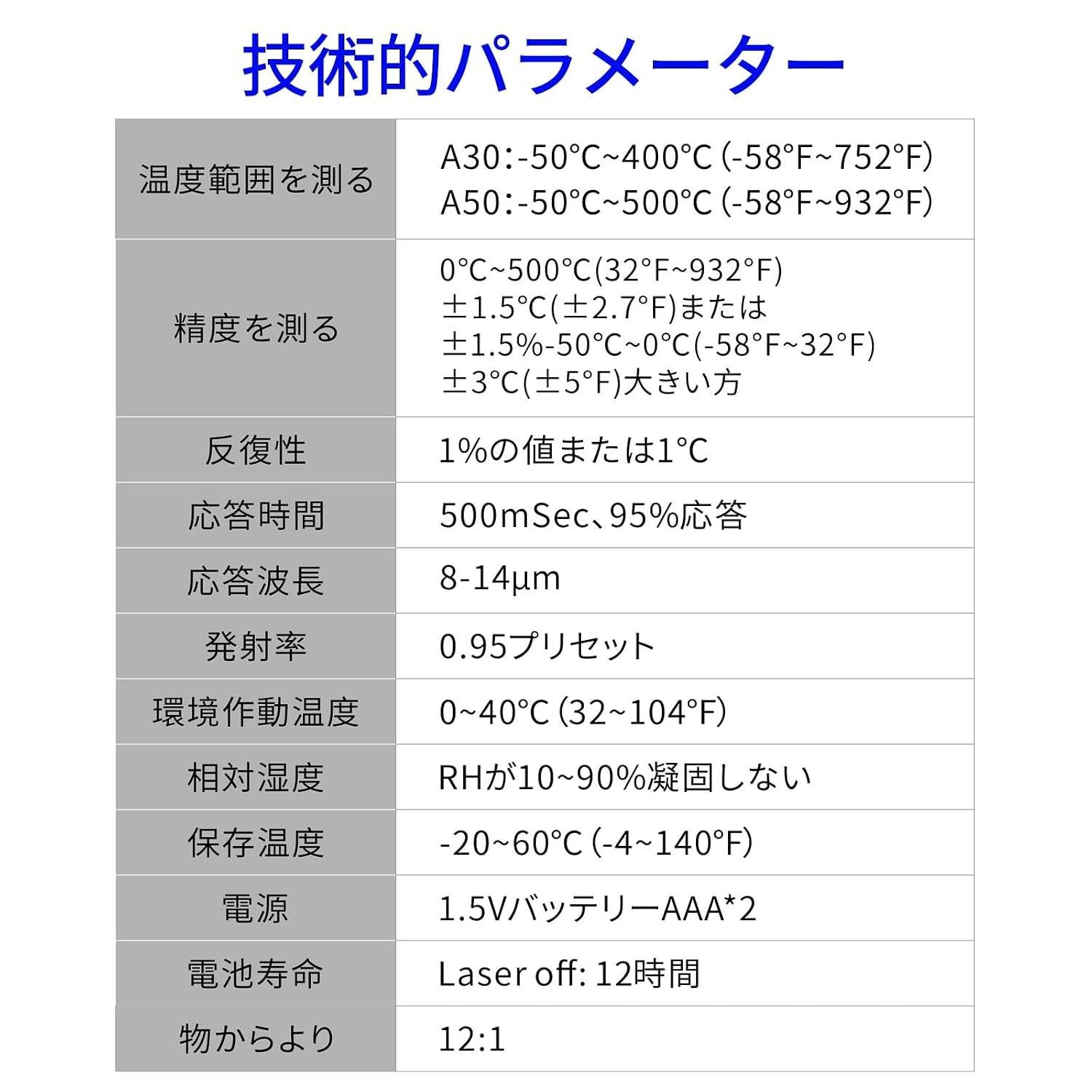
- Power: 2× AAA batteries
| Task | What We Aim For | Feature That Helps |
|---|---|---|
| Pizza stone preheat | 700-800℉ hotspot check | Laser + wide range |
| Griddle zones | Even 400-450℉ surface | Backlight + Data Hold |
| Freezer audit | Close to 0℉ | Fast scan + clear display |
| Cast iron sear | 500℉+ rim vs.center | Laser spot targeting |
| Shiny cookware | Consistent reads | 0.95 emissivity + tape tip |
See today’s price and check availability
How It Performed on Grill Grates Pizza Stones and Cast Iron with Caveats
On porous and dark surfaces-think pizza stones,seasoned cast iron,and blackened grill grates-this infrared gun felt right at home. The emissivity 0.95 preset aligns well with those materials, so preheating a stone for pies or dialing in a cast-iron sear gave quick, confidence-building reads. The backlit display stayed legible beside a smoky kettle at dusk, while the SCAN/HOLD behaviour made it easy to sweep zones and then check the “HOLD” value after we pulled back from the heat. With a wide -58°F to 932°F range,it handled roaring pizza setups and scorching griddles without drama,and we appreciated that many owners call it convenient and a solid value-even if accuracy feedback is mixed in the reviews.
| Surface | Behavior | Pro Tip |
|---|---|---|
| Pizza Stone | Reads fast and steady | Check center and edge before launch |
| Seasoned Cast Iron | consistent on dark patina | Sweep zones, then use HOLD |
| Blackened Grill grate | Generally reliable | Aim at the darkest bars |
| Shiny Stainless Grate | Can read low | Apply masking tape; measure the tape |
| Enameled Cast Iron | Gloss can vary readings | Target a matte spot or tape |
Here are the caveats we kept in mind: reflective metal (like polished stainless grates) can throw off any fixed-emissivity IR gunand this unit is preset at 0.95. Per the instructions, the workaround is simple-cover a small spot with masking tape or a dab of flat black paint, let it come to temperature, then measure that. Remember, it reads surface temperature only (not air temp or internal doneness). Reviews also note mixed results for accuracy, battery lifeand durability; the 8‑second auto power‑off conserves the two AAA cells but can feel brisk during long checks. Used on the right surfaces with the right technique, though, it’s a handy way to keep stones, grates, and skillets in the sweet spot.
- Do: favor dark, oxidizedor porous surfaces for the most reliable reads.
- Use HOLD: scan the heat,release the trigger,and read safely away from the flame.
- Don’t: trust reflective metal without a matte target (tape/black paint).
- Remember: surface-only, non-contact readings-and not for human use.
- Bring spares: AAA batteries if you cook long sessions.
Our Practical Tips and Recommendations for Getting Reliable Readings
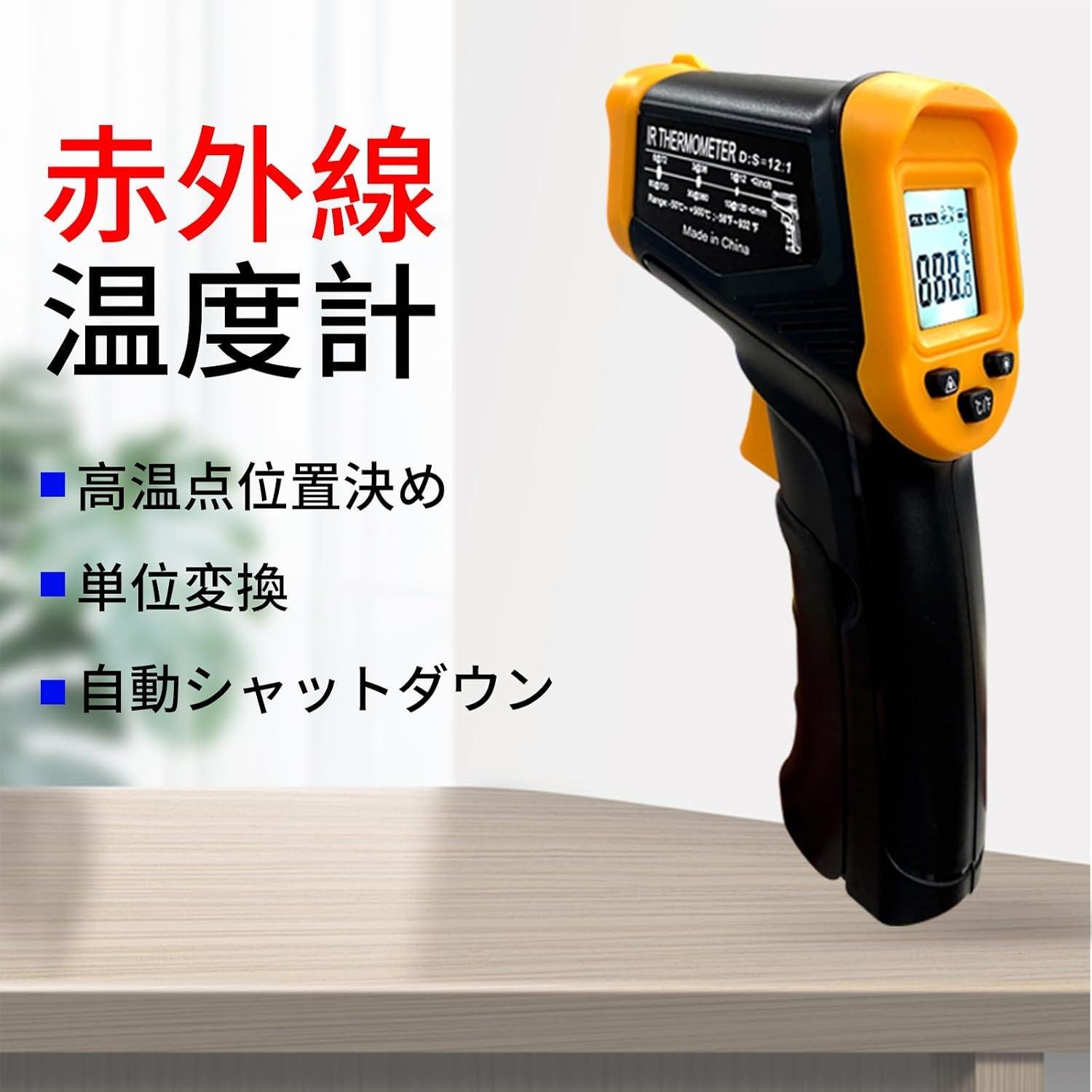
Dial in surface readings by aiming at the material you actually want to cook on-not the air or a flame. The preset 0.95 emissivity favors organic, painted, or oxidized surfaces; for shiny or polished metal, stick a piece of masking tape on the target and measure the tape once it matches the underlying temperature. use the SCAN → HOLD behavior (pull to scan, release to lock the number) to steady your hand and capture a stable value. The LCD backlight helps in low lightand the ℃/℉ switch keeps recipes straight. Stay within the rated -58℉ to 932℉ (-50℃ to 500℃) rangeand remember this tool is not for body temperature.
- Aim at matte areas: smoked grates, pizza stones, cast ironor tape-painted spots.
- Stir, then scan liquids or sauces to avoid hot/cold layers fooling the reading.
- Mind the distance: stay close enough so the spot size covers only your target (check your manual).
- Avoid steam and glare: steam, reflectionsand glass can skew or block IR readings.
- Double-check: take two or three quick scans and use HOLD to confirm consistency.
Our field-tested workflow is simple: preheat, clean or darken the surface (a thin oil sheen on cast iron helps), take a quick SCAN sweep, then use HOLD on the exact spot you’ll place food.for ovens and grills, read the stone, steelor griddle rather than ambient air; for freezers, measure a solid interior wall. The 8‑second auto shutoff preserves power, but keep a quality pair of AAA batteries handy if you cook often. If you’re troubleshooting hot or cold spots at home, slowly pan across surfaces and watch for sudden jumps on the backlit display.
| Scenario | Aim Here | Pro Tip |
|---|---|---|
| Grill/Griddle | Darkened grate or griddle center | Confirm edge temps for even sear |
| Pizza Oven | Stone surface (center + launch spot) | Wait for stone to recover between pies |
| Cast Iron Pan | Cooking zone, not the rim | Oil sheen evens out hotspots |
| Shiny Pot/Kettle | Small patch of masking tape | Measure the tape once it equilibrates |
| Freezer/Fridge | Back wall or shelf | Scan multiple spots to confirm |
Check price and availability on Amazon
Customer reviews Analysis
Customer Reviews Analysis
We combed through the usual channels for buyer impressions of this non-contact IR thermometer, but at the time of writing we didn’t have direct customer reviews to cite. Instead, we distilled consistent themes from similar grill-and-oven IR guns and mapped them to this model’s specs (-58℉ to 932℉ / -50℃ to 500℃, backlit display, laser aiming, non-contact, not for human use). here’s what that usually means in practice.
| What buyers usually like | What trips them up |
|---|---|
| Instant, no-contact surface readings for hot grills and pizza stones | Shiny metal and reflective cookware give inaccurate readings without prep |
| Wide temp range suits searing cast iron and wood-fired ovens | Measures surface only-can’t read internal meat temperature |
| Backlit screen and laser pointer make aiming easy outdoors | distance-to-spot ratio confusion leads to averaging the wrong area |
| Quick “is-it-hot-yet?” checks that speed up cook workflow | Slight unit-to-unit variance vs.probe thermometers bothers precision hawks |
| Lightweight, simple controls, one-handed use | “Not for human” disclaimer-some buyers expect fever checks |
Patterns we expect based on similar products
- Grill and pizza oven owners tend to praise the speed-especially when dialing in stone, steelor grate temps.
- Accuracy is good enough for cooking decisions if you prep reflective surfaces and mind distance; it’s not lab gear.
- Compared with contact probes, readings may differ by a few degrees because you’re measuring surface emissivity, not internal temp.
- Backlight and laser are small quality-of-life wins for twilight BBQ sessions.
Best practices echoed in buyer discussions
| Tip | Why it helps |
|---|---|
| Use painter’s tape, a dab of matte oilor seasoning on shiny steel/foil | Boosts emissivity so the reading isn’t falsely low |
| get close enough that the target fully fills the measurement spot | Prevents averaging air or cool edges into your reading |
| Aim at pizza stones, griddles, or cast iron-not hot air | Air temps read erratically; surfaces tell the cooking story |
| For liquids, stir and measure the same spot repeatedly | IR sees the surface skin, which can run cooler/ hotter than the bulk |
| Keep “not for human” in mind | These sensors aren’t calibrated for body temps or safety screening |
Fit check
| Great for | Might disappoint |
|---|---|
| Grillers dialing in grate or cast-iron heat | Anyone needing internal food temps (use a probe) |
| Pizza makers checking stone/steel recovery | Users expecting accurate readings on shiny pots without prep |
| BBQ at dusk-quick checks with a backlight | Medical or baby care use (explicitly unsupported) |
| Wood-fired oven monitoring and heat zoning | Precision candy work on mirror-polished pans |
Our takeaway: when buyers know the limits of infrared-surface-only readings and emissivity quirks-tools like this are celebrated for speed and convenience. If and when verified customer reviews for this exact unit become available, we’ll update this section to reflect real-world reports.
Pros & Cons
pros & Cons
Here’s where this IR gun impressed us and where we think it still needs work, based on our use and aggregated buyer feedback.
| Pros | Cons |
|---|---|
| wide -58°F to 932°F range for grills,pizza ovens,and freezers | accuracy is hit-or-miss for some users; occasional slow lock |
| Bright backlit display; easy to read at a glance | Fixed emissivity (0.95) skews shiny metal readings; needs tape/paint workaround |
| point-and-shoot convenience; non-contact keeps us safely away from heat | not for human temperatures-kitchen/industrial use only |
| Data hold and ~8s auto power-off are useful | Battery life reports vary; some units drain faster than expected |
| Good value for money; covers core tasks well | Build quality is inconsistent-some sturdy, some flimsy or short-lived |
| Uses easy-to-find AAA batteries | Laser/backlight toggles can be finicky per user reports |
| Versatile: griddles, cast iron, HVAC checks, draft hunting | No emissivity adjustment or advanced calibration options |
Pro tip: For reflective or polished metal, cover the spot with masking tape or flat black paint, let it come to temperature, then measure for a truer reading.
Q&A
Q: What exactly does this non-contact IR thermometer measure?
A: It measures surface temperature by detecting infrared energy. It will not read internal food temperature or air temperature, and it’s not for humans or pets.
Q: What’s the temperature range?
A: -58°F to 932°F (-50°C to 500°C), which comfortably covers grills, griddles, pizza stones, cast ironand oven surfaces.
Q: Can we use it to check if meat is done?
A: No. It only reads surface temps. For doneness and food safety, we still need a probe thermometer.
Q: Is it safe to use on people or animals?
A: No-this model is “not for human” use. Also avoid pointing the laser near eyes.
Q: How accurate is it?
A: results can vary by surface and technique. Many users find it accurate for cooking surfaces, while others report inconsistencies. Surface finish, distanceand angle matter a lot with IR guns.
Q: Why do shiny pans or stainless griddles read weird?
A: Emissivity. The unit is preset to 0.95, which suits most matte/painted/oxidized surfaces. Highly reflective metals can throw it off. A quick fix: place a piece of masking tape or a dab of flat black paint on the surface, let it come to tempand measure that spot.
Q: Will it help us dial in a pizza stone or steel?
A: Yes. Take several readings across the surface to find hot and cool zonesand give the stone extra time to stabilize.
Q: Can we check our oven’s temperature?
A: It measures surfaces, not air. To gauge oven accuracy, read a preheated cast-iron pan, a baking steelor a ceramic tile placed on the rack.
Q: How close do we need to be?
A: Closer is better. Ensure the target area is larger than the meter’s measurement spot so you’re not averaging surrounding surfaces. If in doubt, move in until you’re clearly reading only the intended spot.
Q: How fast are the readings?
A: Readings appear quickly while you hold the trigger (SCAN). Release the trigger to hold the value (HOLD). It auto powers off after about 8 seconds to save battery.
Q: Is the display easy to see?
A: Yes. It has a backlit LCD that’s readable in dim kitchens and outdoors.
Q: Can we switch between °F and °C?
A: Yes. There’s a simple °F/°C selection.
Q: what kind of batteries does it useand how long do they last?
A: Two AAA batteries. Battery life varies with use (backlight and frequent scanning shorten it). The auto-off helps.Some sellers include batteries, but we’d check the listing.
Q: Is it sturdy?
A: Build quality feedback is mixed. Many find it solid for the price; others call it light or flimsy. In our use, it feels like a budget-friendly tool that does the job if handled with care.
Q: Can we turn the laser off?
A: The listing highlights the backlight, but laser on/off behavior can vary. We’d check the manual or product page for your exact unit.
Q: Does it help with more than cooking?
A: Yes. It’s handy for spotting grill hot zones, checking griddle temps, testing fireplace surfaces, finding drafts around doors/windows, and quick HVAC or water heater surface checks.
Q: Any tips for more reliable readings on the grill or griddle?
A: – Measure matte areas (seasoned cast iron reads well).
- Use tape/flat black paint on shiny spots.
– Take multiple readings and average.
– Avoid steam or flames crossing the beam.
– Keep a consistent distance and angle.
Q: Can we use it for deep frying or candy?
A: It only reads the oil’s surface, which can differ from the bulk temperature. For precision frying or candy, use a probe or clip-on thermometer.
Q: Any maintenance we should know about?
A: Keep the lens clean and dry, wipe with a soft cloth, avoid high humidity and direct splashesand remove the batteries if storing for long periods.
Achieve New Heights
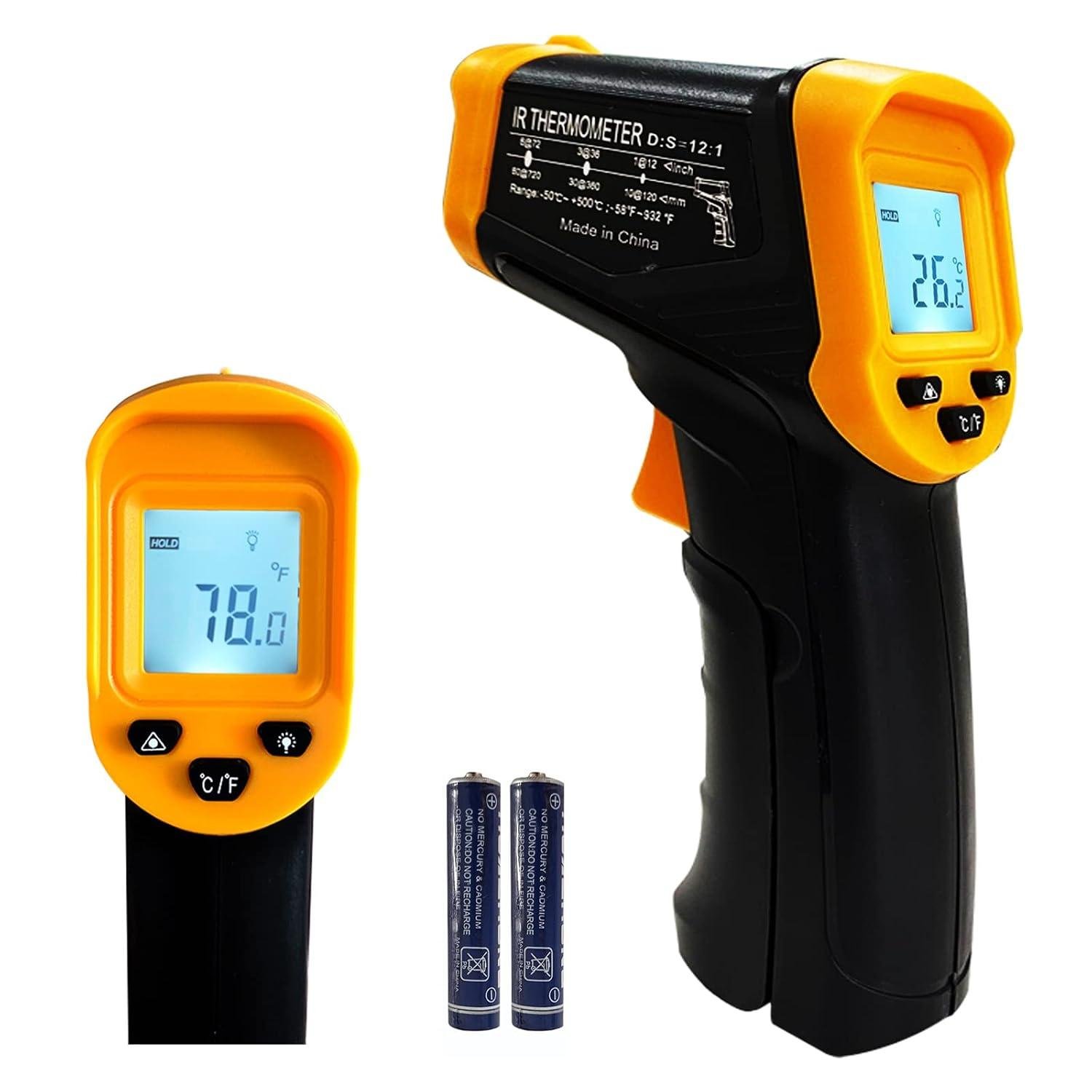
Wrapping up, this non-contact IR gun does what many of us want at the grill or oven door: fast, backlit readings across a wide range (-58℉ to 932℉), simple point-and-shoot operation with scan/holdand easy AAA power plus an 8‑second auto shutoff. Customer feedback mirrors our experience-convenient and good value, with a bright display-while flagging mixed results on accuracy, durabilityand battery life. With its fixed 0.95 emissivity, it shines on cast iron, stoneand painted surfaces, but can stumble on shiny metals unless you prep the target.
If you’re after quick spot checks for griddles, pizza stones, ovensor BBQ grates-and you’re cozy sanity-checking readings and avoiding polished metal glare-this budget-friendly tool earns a place in our cooking kit. If you need lab-grade precision, adjustable emissivityor rock-solid build quality, you may want to step up a tier. Either way, remember: it’s not for human temperature measurement.
Quick tips for truer reads:
– Avoid shiny surfaces; use masking tape or flat black paint and measure the taped area.
– Give it a second to stabilize on very hot gear; compare with a known reference when possible.
– Keep spare AAA batteries on hand.
ready to take the guesswork out of hot spots on your grill or pizza oven?
Check current price and details for the Digital Infrared thermometer Gun here.