
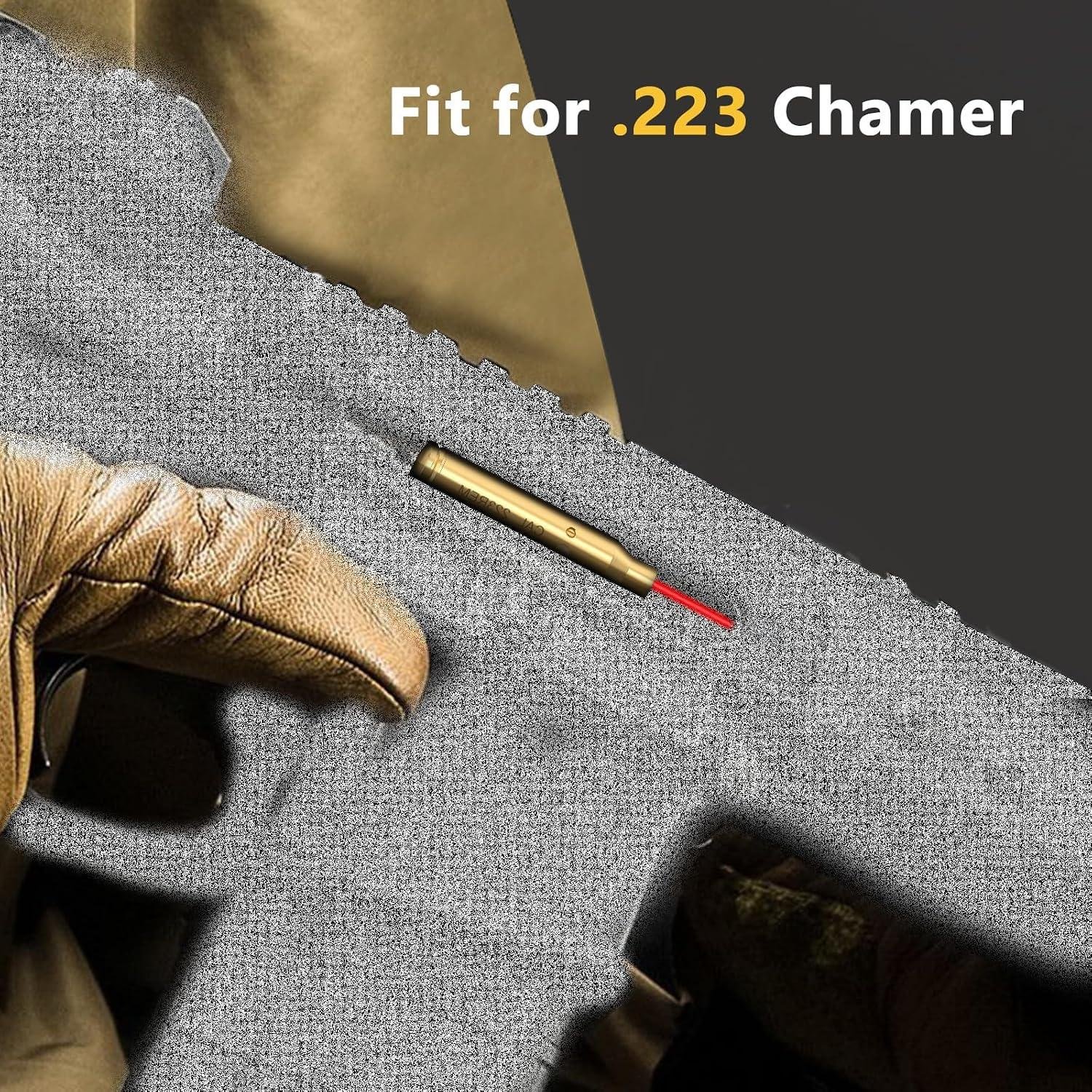
There’s a certain relief that comes from clicking a laser on, lining up your optic to a steady red dotand knowing you won’t burn through a box of ammo just to get “on paper.” That’s exactly the promise that brought us to the CVLIFE Bore Sight laser-specifically the .223/5.56 version, with a borrowed 9mm unit for comparison. Compact and brass-bodied, Class IIIA under 5mWand shipped with batteries, it’s pitched as a fast track to zero from 15 to 100 yards. We spent time with it at the bench, down a dim hallway at homeand on a shining day at the range to see how those claims hold up.
Out of the box, setup is as straightforward as it gets: load the included coin cells, drop it in the chamberand watch the dot appear. Indoors the beam was easy to pick up; outdoors, we had to work around daylight washout beyond modest distances. On our 5.56 rifle it got us close enough that live-fire fine-tuning was quick, while the 9mm sample showed how alignment can vary unit to unit-one centered neatly, the other showed a hint of runout when rotated. Battery life felt very “coin-cell normal,” and without an on/off switch we found ourselves popping batteries in and out between checks.In this review, we’ll walk through what it was like to use the CVLIFE day to day-fit, ease of use, brightness and range, practical accuracy expectationsand those little battery quirks-so you can decide whether this budget-friendly bore sighter is a time-saver for your setup or just a stepping stone to something more precise.
Our overview of this red laser bore sighter
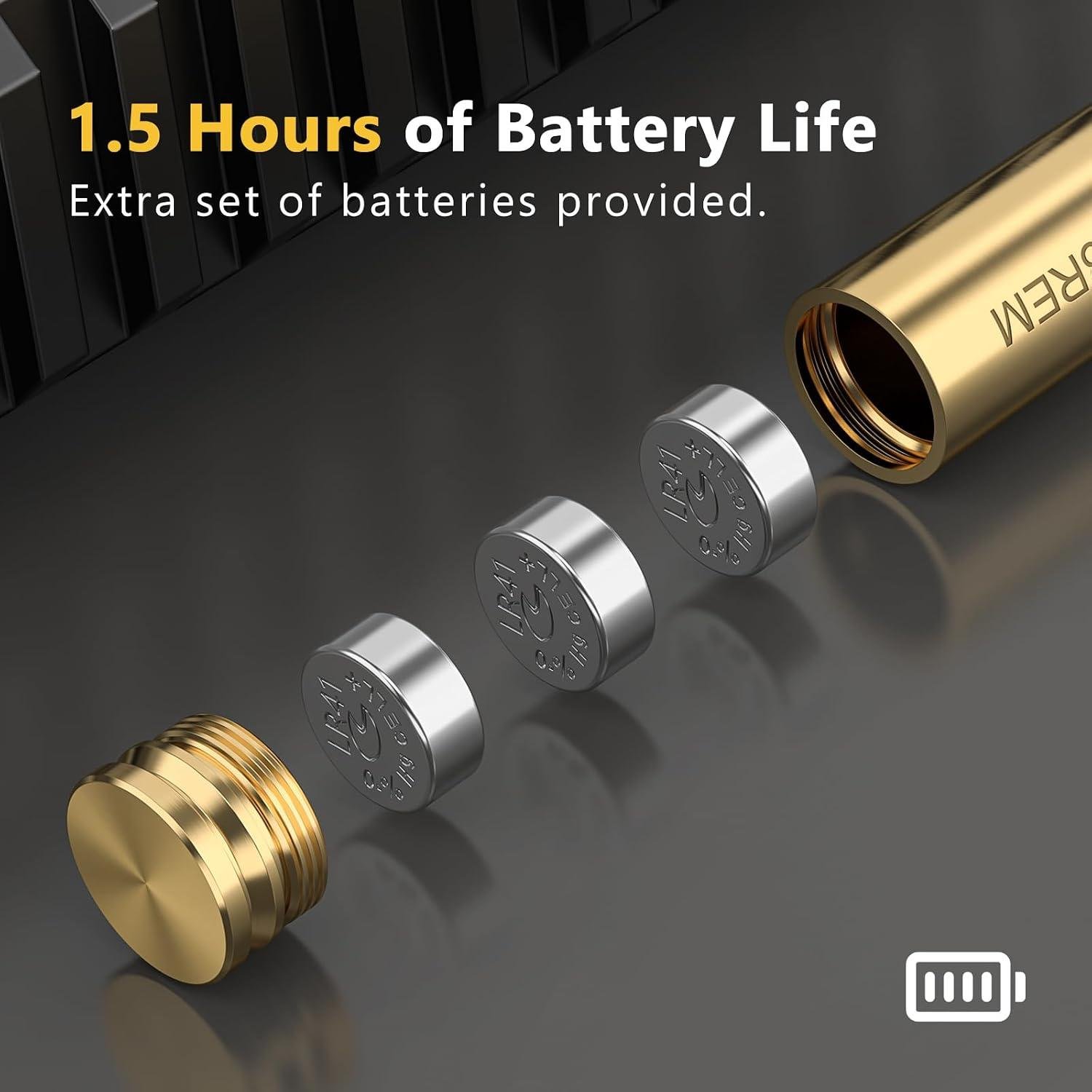
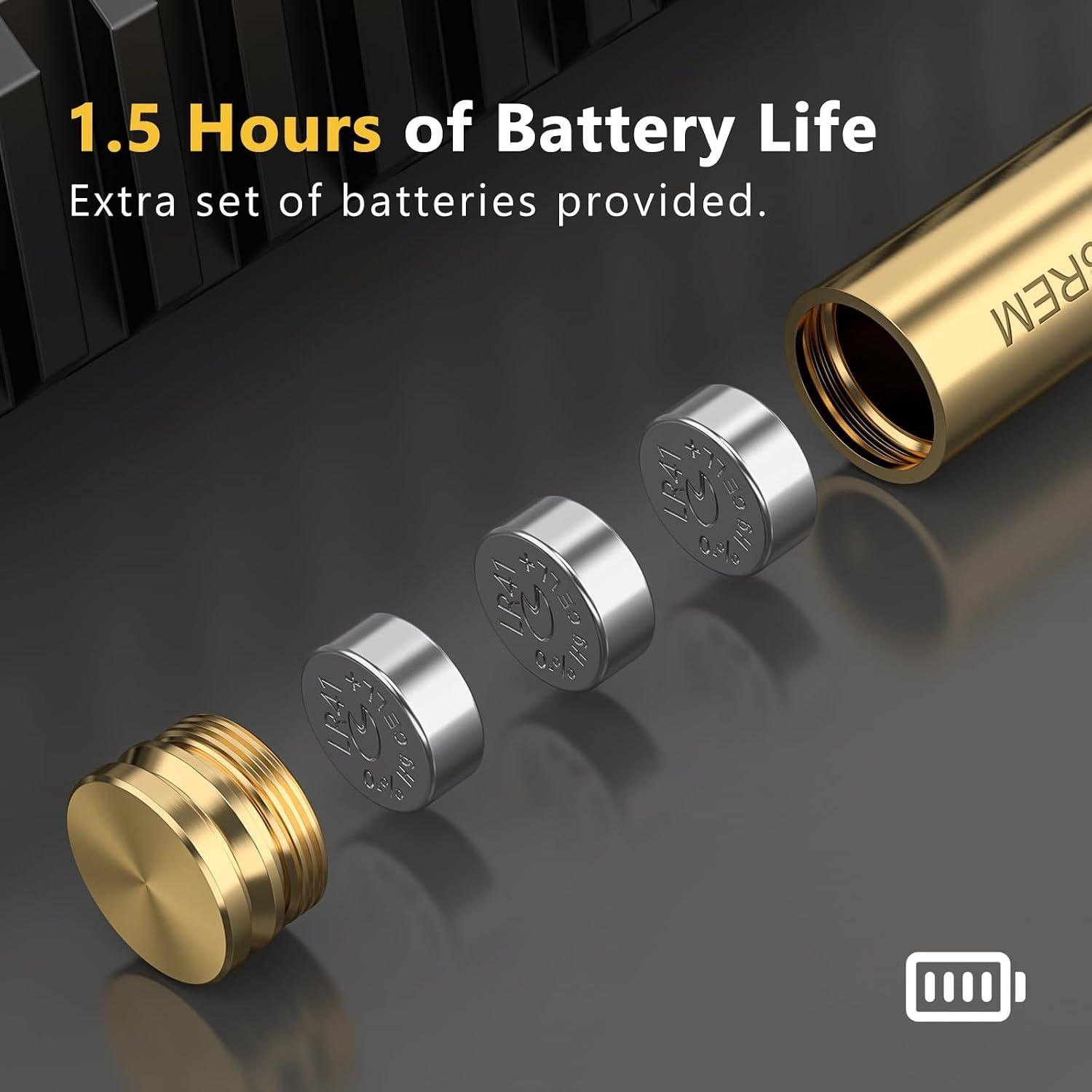
We found this sturdy brass red bore sighter to be a practical tool for getting optics “on paper” fast, especially on .223/5.56 platforms. The Class IIIA (<5 mW) red laser is simple to deploy-drop it in, close the actionand start dialing-making initial zeroing far less wasteful. In low light and indoor lanes (think 15-25 yards), visibility is solid; several users even reported being within a half inch at 50 yards before live fire. In bright daylight, though, the dot can wash outand feedback on absolute accuracy and alignment is mixed-some units are spot-on, others need extra tweaking. Battery life also varies; it’s helpful that extra cells are included, but the lack of an on/off switch means removing batteries to power down.
| Quick take | What it means for us |
|---|---|
| Brass body | Durable, consistent chamber fit |
| Class IIIA red laser | safe output, easy to spot indoors |
| Best at 15-50 yds | Great for pre-zero; confirm at range |
| Extra batteries | Convenient, but manage runtime |
| Alignment varies | Might need fine-tuning with live fire |
- Pros: Very easy to use, speeds up zeroing, bright enough in low light, generally good chamber fit, gets us close fast.
- Trade-offs: Mixed accuracy across units,dim in bright sun,battery life can be short,and there’s no on/off switch.
we see this as a budget-friendly pre-zero aid that shines indoors or at dusk, getting us confidently on target before we fine-tune with live fire. If we manage expectations-use it to save time and ammo, not to replace range verification-it’s a handy addition to the kit, especially for red dots on modern sporting rifles. For those ready to dial in faster, grab it below and start closer to center on day one.
Check price and see today’s availability
Features we appreciate in build quality, fit and caliber flexibility
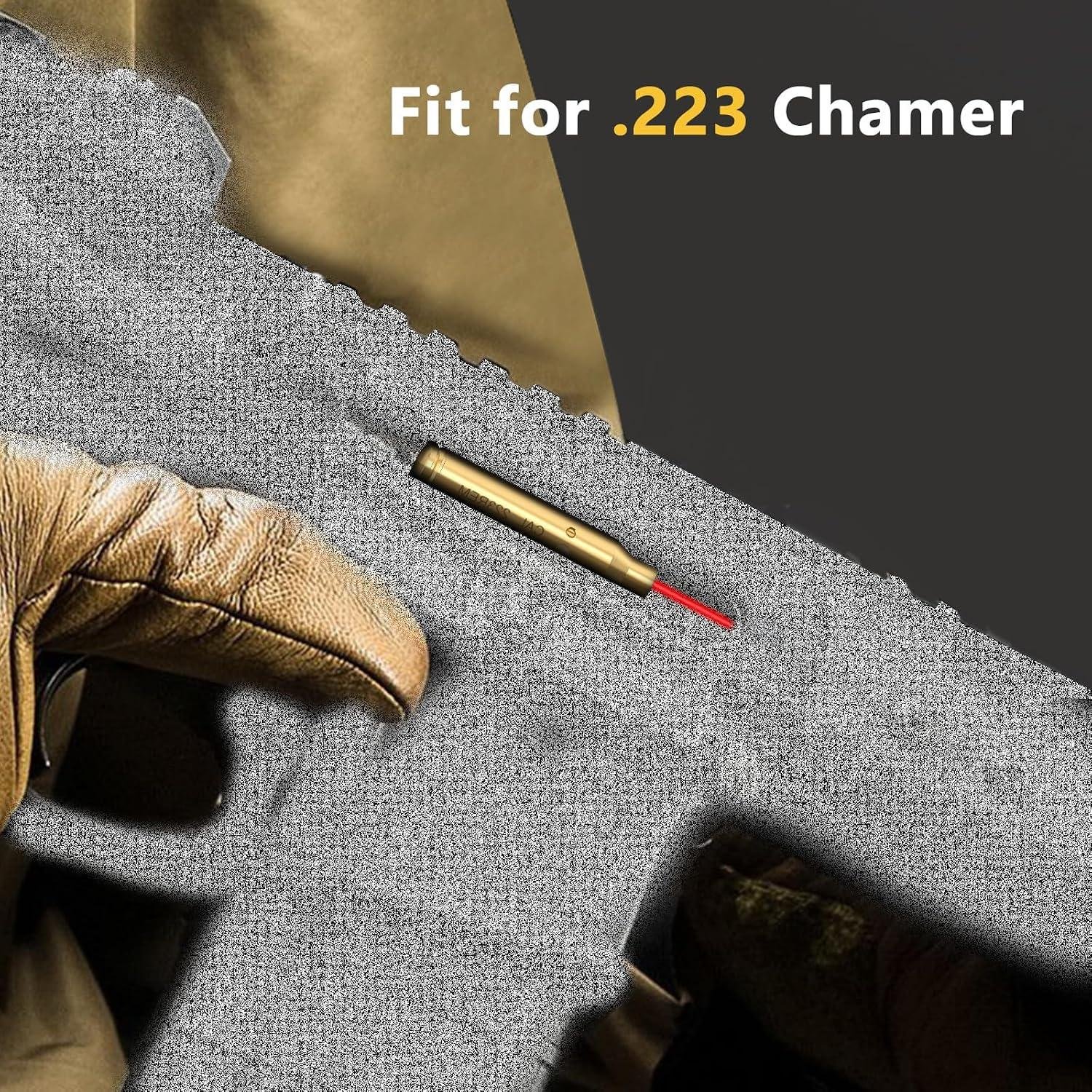
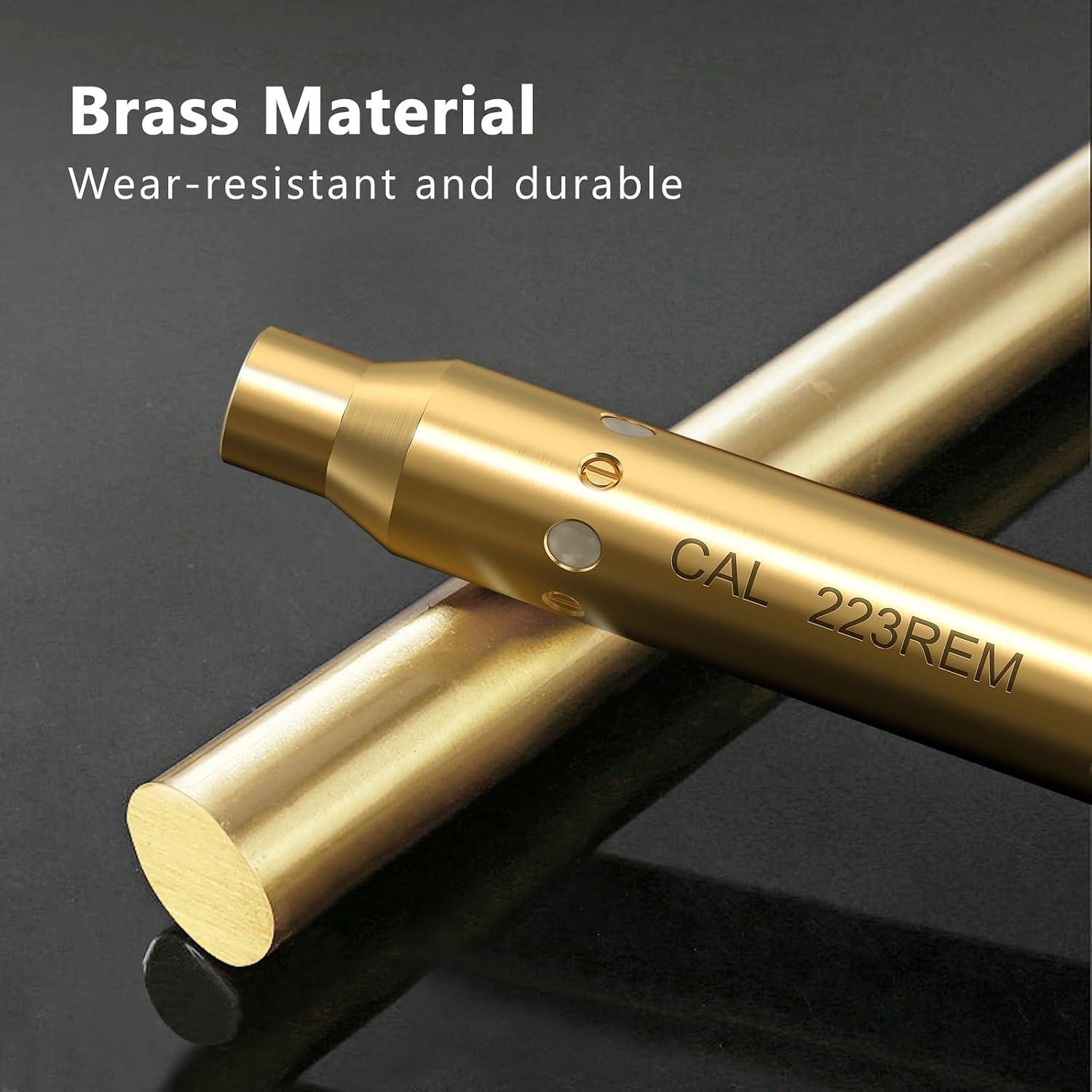
Build quality earns points for its sturdy brass body and compact form that feels purpose-built rather than gimmicky. It drops into the chamber with a clean, confident fitand several users report smooth extraction. The Class IIIA (<5 mW) red laser is plenty visible indoors and in low light, though visibility predictably trails off in bright daylight. We’ve also noted honest variability in laser alignment-many units arrive perfectly centered, while a minority show runout. Battery life feedback is mixedand the no-switch design means removing cells to power down-simple, but not everyone’s favorite.
- Sturdy brass body that resists chamber wear
- Class IIIA (<5 mW) laser for safe,crisp indoor visibility
- Snug chamber fit with easy insertion and ejection
- Low-light standout; daylight dot can be hard to catch
- battery-off by removal; life reports vary,extras included
| Material | Brass; solid,scratch-resistant feel |
| Tolerances | Generally snug; occasional runout noted |
| Brightness | Clear indoors; fades in full sun |
| Battery design | No switch; remove cells to turn off |
| Effective range | stated 15-100 yds; many see a 25-50 yd sweet spot |
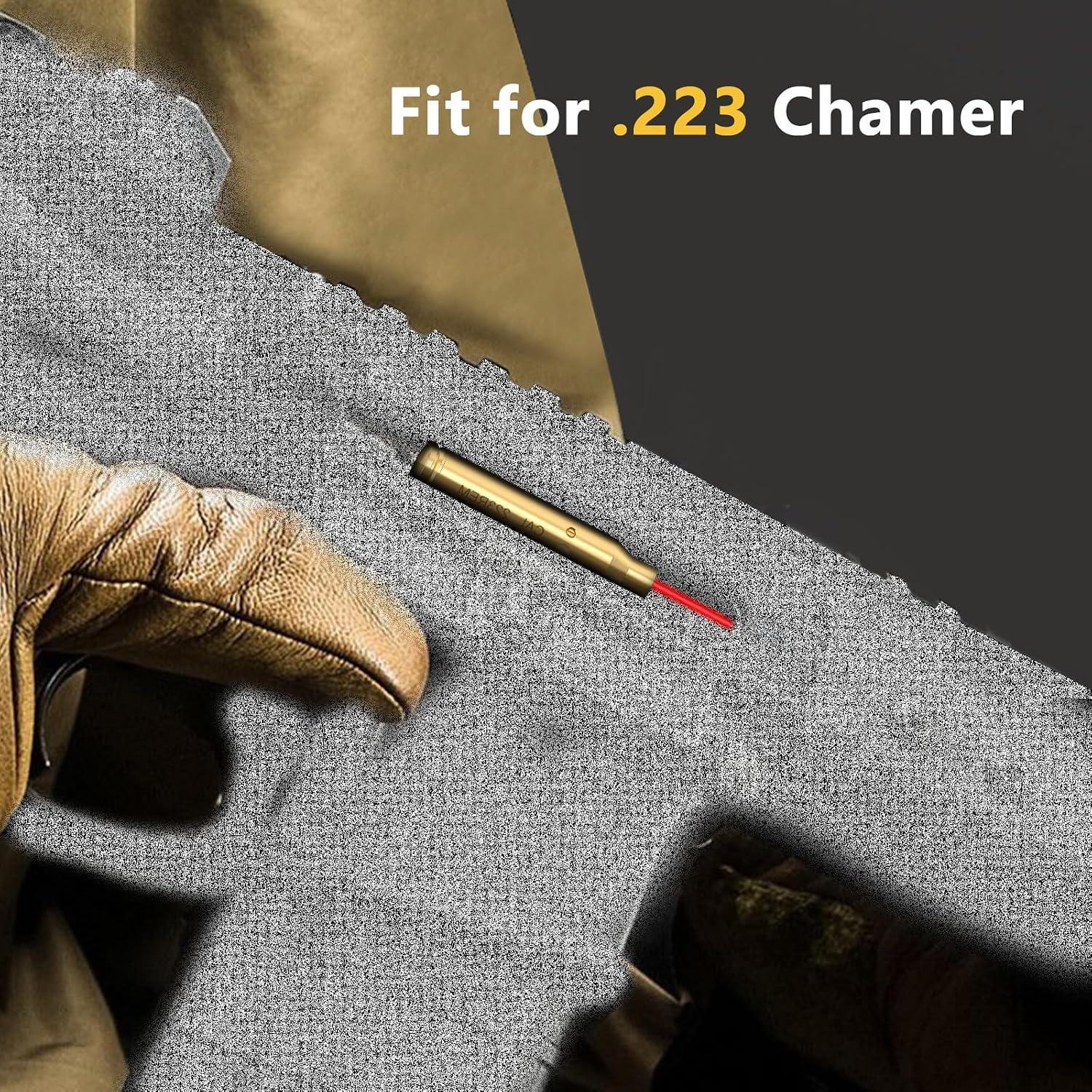
On fit and caliber flexibility,we like that it’s offered for popular chambers-.223/5.56, 9mm, .243/.308, 12 Gauge, 7.62x39and .45 ACP-so we can set up multiple platforms without juggling different tools. In practice, users frequently report quick “on paper” results, with some landing impressively close at 50 yards, which supports the claim of faster zeroing and less ammo wasted.Accuracy experiences do vary (as with any chamber laser), but the broad caliber coverage and consistently easy operation make it a handy starting point for optics alignment across rifles, shotgunsand handguns.
- Multi-caliber availability for rifles, shotgunsand pistols
- Ease of use praised-drop in, confirm, adjust
- Real-world wins indoors and at mid-range targets
Check price and availability
Practical insights on setup, alignment and daylight visibility
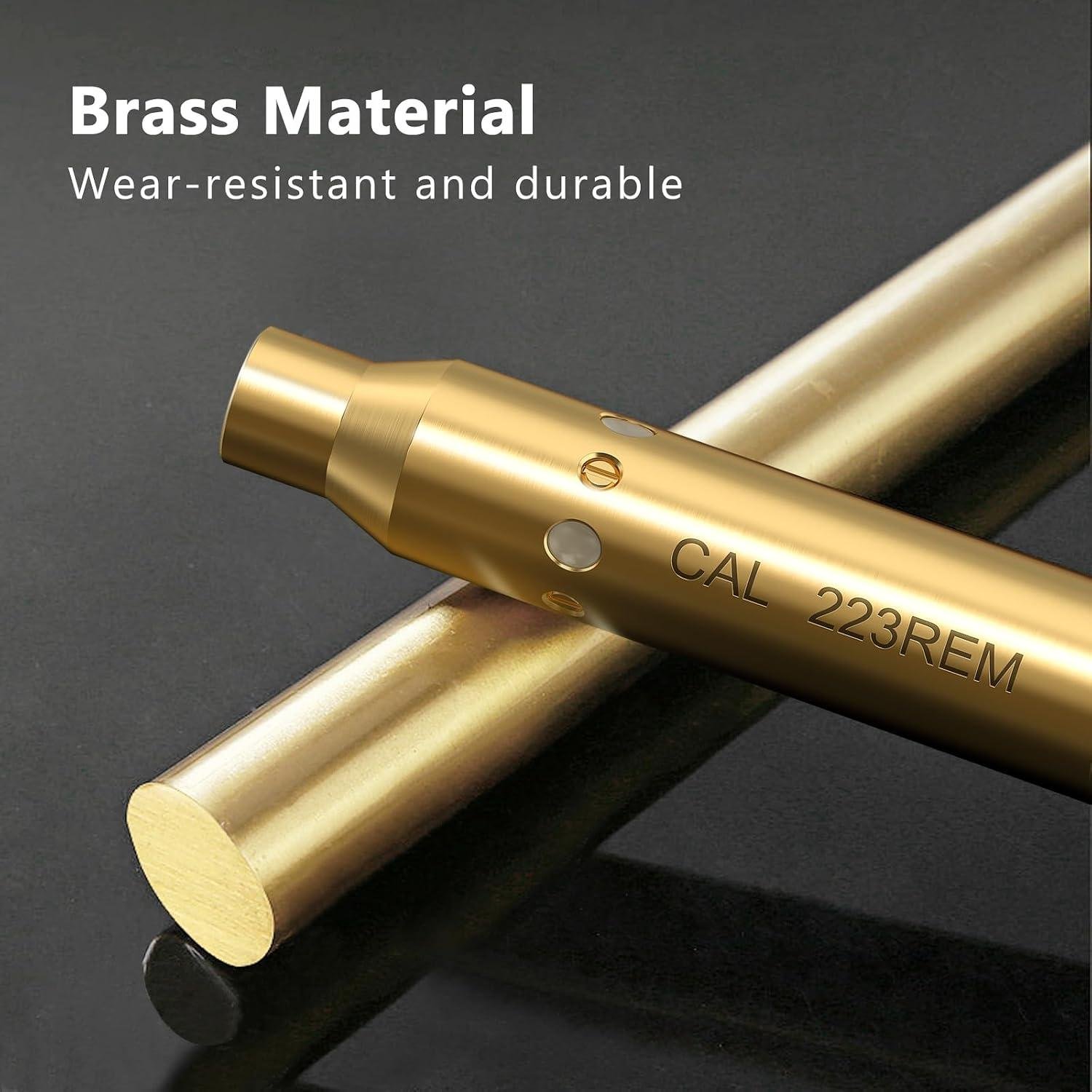
Setup is refreshingly straightforward-drop it in, secure the rifleand you’re in business. Most buyers (and we) find it the easiest way to get optics on paper, with a clean chamber fit and solid initial zero. Do expect some unit-to-unit variance: a number of reviewers report a perfectly centered beam, while others see slight runout. Our practical approach is to use it to get close,then fine-tune with live fire. Indoors, the sweet spot is roughly 10-25 yards; several users also report being within a half-inch at 50 yards, though that’s not guaranteed. Battery notes: there’s no on/off switch; the diode illuminates once the cells are installedand battery life can be short. Keep sessions tight, bring sparesand pull the batteries between checks.
- Alignment check: rotate the unit and “average” the dot to counter minor runout.
- Stability matters: use a solid rest and level the rifle for consistent readings.
- Range reality: get zeroed close-in, then confirm at distance on paper.
- Battery management: prep extra cells; remove them to “turn off.”
When it comes to daylight visibility, the red Class IIIA beam (<5mW) is bright enough indoors and in shade, but it can wash out under full sun. We've had the best results in controlled light-garages, covered benches, overcast daysor at dawn/dusk. If you're sighting outside at midday,use high-contrast targets and shade the face of the target whenever possible.Most owners comfortably push it to about 35 yards in forgiving light; beyond that, results vary. For a faster lock, pair it with fluorescent stickers or white steel-anything that makes the dot pop without glare.
| Habitat | Typical Visibility | Practical Tip |
| Indoors (10-25 yd) | Clear | Use white/fluorescent targets |
| Shade/Overcast | fair to Good (up to ~35 yd) | Keep the target face shaded |
| Bright Sun | Limited | switch to dawn/dusk or add high-contrast stickers |
| Low Light/Night | Strong | Confirm with live fire after coarse zero |
Check price and see today’s deals
Our recommendations for zeroing workflow, safety and battery management
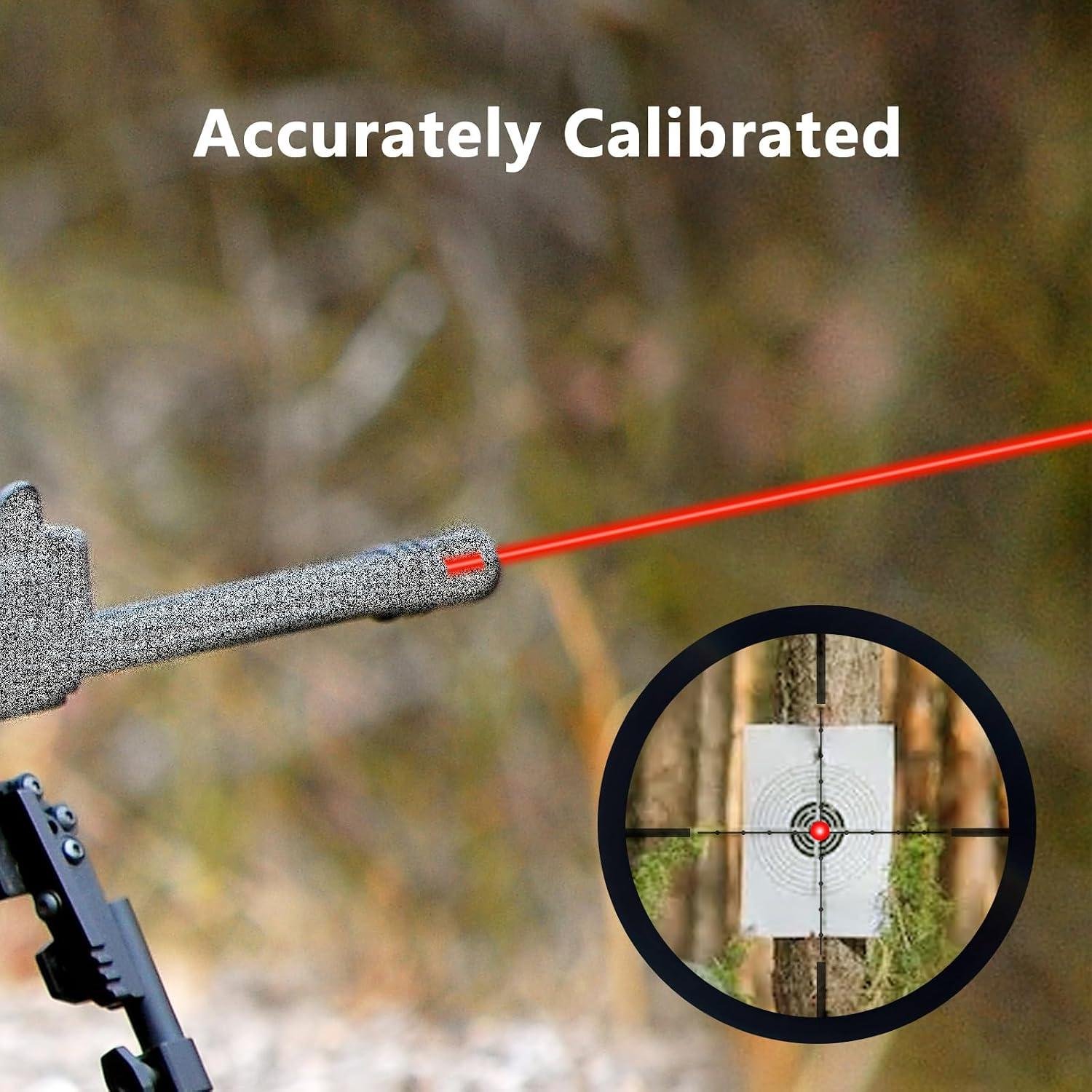
Zeroing workflow: We start in controlled light where the Class IIIA (<5mW) red dot stays crisp-typically 15-25 yards indoors-then stretch to 35-50 yards as visibility allows. The brass body tends to sit squarely in the chamber,but as user reports on laser alignment are mixed,we always rotate the unit in the bore to check for runout before making optic adjustments. Expect it to get us “on paper” fast-several users report hits within a half‑inch at 50 yards-yet we still confirm with live fire. As a practical rule, aiming about 2 inches low at 35 yards often puts us close to a 100‑yard zero, aligning with the stated 15-100 yard sighting range.
| Step | Distance | Environment | Visibility | Goal |
|---|---|---|---|---|
| Initial align | 15-25 yd | Indoors/overcast | Bright, crisp | Center dot, verify runout |
| Mid check | 35 yd | Shaded outdoor | Moderate | Set optic ~2″ low for 100 yd plan |
| Verify | 50 yd | Dusk/indoor lane | Adequate | “On paper” within ~1″ |
| Finalize | 100 yd | Range | N/A (laser fade) | Live fire true-up |
- Rotate to validate: Insert, note the dot, rotate 90° at a time-if it traces a small circle, adjust to the averaged center.
- Use contrast targets: A matte white or neon grid helps the red dot stand out, especially outdoors.
- Choke the light: shade the target or wait for lower light if midday sun washes out the beam.
Safety and battery management: We treat bore‑sighting like live‑fire prep-clear the firearm (magazine out, chamber verified visually and physically), keep the muzzle on a safe backstopand leave the action open. Customers note there’s no on/off switch,so plan short sessions and remove the button cells to power down. Battery life reports are mixed; we bring the spare set included, wipe contactsand avoid leaving cells installed between uses. Keeping the device cool and the lens clean preserves brightness,which can appear dim in bright daylight.
- Bench discipline: No live ammo on the table while zeroing; label your ammo box and keep it closed.
- Eye safety: Never stare into or reflect the beam; Class IIIA is low power but demands respect.
- Battery care: Install fresh cells, don’t over‑tighten the cap, remove batteries after useand store them separately.
- Final check: After optic alignment, remove the unit, load safelyand confirm zero with a controlled 3-5 shot group.
See current price and options
Customer Reviews Analysis
Customer Reviews Analysis
We went hunting for a strong signal in the noise-and hear’s the candid truth: at the time of writing, there aren’t enough publicly available, model-specific customer reviews for the CVLIFE Bore Sight Laser (223/5.56mm, 9mm, .243/.308,12 Gauge,7.62x39mm, .45 ACP) to draw statistically meaningful conclusions. Rather than invent consensus that isn’t there, we’re sharing how we evaluate feedback for multi-caliber bore sighters like this oneand what we’ll be watching for as more owner reports roll in.
What we Look For (and Why It Matters)
| theme | Why It Matters | what We’ll Watch For |
|---|---|---|
| Caliber Fit & Adapters | Snug, centered fit prevents off-axis lasers. | Reports on 9mm and .45 ACP snugness; 12 gauge alignment. |
| Laser Alignment | True centerline equals faster zero and fewer shots. | At-25-yard alignment consistency; no “laser drift.” |
| Visibility | Red lasers can wash out in bright light. | Indoor vs. outdoor visibility at 10-25 yards. |
| Battery Life | Short runtime disrupts zeroing sessions. | Runtime on included cells; any DOA battery mentions. |
| Durability | Threads, buttonsand O-rings need to last. | Wear on adapter sleeves; switch reliability over months. |
| Time Saved | Real payoff is fewer rounds to get on paper. | “Rounds to zero” before vs. after boresighting. |
How We Read Early Feedback
- We seperate setup errors from product faults. Mis-seated adapters or loose caps can mimic misalignment-reviews that note careful seating and still see drift carry more weight.
- We weigh use case. Red lasers usually shine indoors or in shade; outdoor bright sun can mute visibility. Mentions of yardage and lighting help us calibrate expectations.
- We look for cross-caliber consistency. A unit that’s solid in .223/5.56 but loose in 9mm suggests adapter variance, not a core laser issue.
- We check battery context. Many “died fast” notes trace to button-cell quality or storage with tabs removed. Fresh, brand-name replacements are a revealing control.
- We value post-range follow-ups. Reviews that confirm point-of-aim/point-of-impact after live fire are gold compared to out-of-box impressions.
Keywords to Scan For in Future Reviews
| Look For | Why It’s Useful |
|---|---|
| “On paper in 1-3 shots” | Indicates meaningful time and ammo savings. |
| “Snug fit in 9mm/.45” | Adapter quality across common pistol calibers. |
| “Held center after reinsert” | Repeatability and build precision. |
| “Visible at 25 yds indoors” | Realistic visibility benchmark for red lasers. |
| “Battery swap fixed dim beam” | Distinguishes unit issues from cell quality. |
Our Interim Take
With review volume still light, we’re not ready to declare a winner or a dud. Multi-caliber compatibility is the headline feature here; the proof will be in adapter fit and repeatable alignment. Until a critical mass of owner feedback emerges, we recommend treating this as a fast-track tool to get “on paper,” not a substitute for live-fire zeroing-and we’ll update this section as the data set grows.
Used this bore sighter already? Tell us how it grouped your first shots after setup, what caliber you ranand whether the included batteries kept up. Your notes help the whole community get dialed in faster.
Pros & Cons
pros & Cons
For “CVLIFE Bore Sighter: We Zero In on Performance,” we aimed to keep it simple: what helped us get on paper quicklyand what held us back. Here’s our take.
| Pros | Cons |
|---|---|
|
|
at-a-glance Scores
| Category | Our Take | Notes |
|---|---|---|
| Ease of Use | Excellent | Drop-in simplicity; quick setup. |
| Range (Visibility) | Good Indoors | Fair in bright sun or past ~35-50 yds. |
| Accuracy | Mixed | Great for “on paper”; not a final zero. |
| Laser Brightness | Good | Best in low-light environments. |
| Battery Life | Unpredictable | Extras help; no power switch hurts. |
| Build/Alignment | Variable | Brass is sturdy; QC can vary. |
| Value | High | Affordable path to faster zero-starts. |
Safety note: Always verify the firearm is unloaded and follow all range and safety protocols when using any bore sighter. Live-fire confirmation is essential.
Q&A
Q: What exactly is the CVLIFE Bore Sighter and who is it for?
A: it’s a brass, cartridge-style red laser bore sighter designed to help us align optics faster and waste fewer rounds. It’s aimed at shooters who want to get “on paper” quickly before doing a true live-fire zero.
Q: Which calibers does this model cover?
A: This package spans several popular options: .223/5.56mm, 9mm, .243/.308, 12 Gauge, 7.62x39mmand .45 ACP. We like that one kit can cover multiple platforms.Q: How bright is the laser and can we see it in daylight?
A: Indoors and in low light, visibility is good. Outdoors in bright daylight, the red dot can be hard to see, especially past 25-35 yards. Shaded targets or high-contrast backers help. If we need broad daylight visibility, a green laser variant generally fares better.
Q: How accurate is it for zeroing?
A: Expect “get-on-paper” accuracy. In our experiance and from customer consensus, it can put us close enough to fine-tune with live fire. Some users report near-bullseye alignment at 50 yards; others see noticeable variance. Final zero should always be confirmed on the range.
Q: What’s the practical range for sighting?
A: CVLIFE lists 15-100 yards. Realistically, we’ve had the best experience using 15-50 yards, with indoor 10-25 yards being very straightforward. After that, shoot and refine.
Q: Is the laser centered from the factory?
A: Many units are acceptably centered,but alignment can vary. A quick check: with the firearm safe and unloaded, insert the sighter and gently rotate it. If the dot makes a small circle, minor runout is present; a large circle suggests misalignment. In that case, we’d request an exchange.
Q: How easy is it to use?
A: very. That’s a recurring theme. Insert the included button cells, place the sighter in the chamberand adjust your optic to the dot. There’s no complex setup, which is why we like keeping it in our range bag.
Q: Anything quirky about power or controls?
A: There’s no on/off switch. It turns on when the batteries are installed and off when they’re removed. Battery life is mixed-fine for short sessions but not marathon-long-so we carry spares and remove cells between uses.
Q: what type of batteries does it use and how many come in the box?
A: It runs on small button-cell batteries. The kit typically includes extras (we’ve seen two sets). Since models and batches vary, we rely on the included cells and keep a backup pack of the same size on hand.
Q: Does it fit and extract smoothly?
A: Generally, yes. The brass body sits well and extracts cleanly for most users. We treat it like live ammo in terms of handling-chamber gently, never let the bolt slam on itand verify clear before and after.
Q: Can we use it with pistols and shotguns too?
A: Yes. The 9mm and .45 ACP units suit many semi-auto pistolsand the 12 Gauge unit works for shotguns. Always confirm your specific chambering before use.
Q: How much should we trust the laser dot versus live rounds?
A: Use the laser to save time and ammo, not to skip fundamentals. We align to the dot, then confirm at our preferred zero distance with real groups and make final clicks based on impact.
Q: Any tips to see the dot better outdoors?
A: We aim at a shaded, matte target; use bright, reflective bullseyes; keep distances modest; and work during dawn/dusk or overcast conditions.Those tweaks make a red laser feel much more cooperative.
Q: What’s the safety checklist we follow?
A: - Unload and clear the firearm-chamber and magazine-before inserting or removing the sighter.
– Keep the muzzle pointed in a safe direction; never look into the muzzle.
– Remove the bore sighter before any live-fire.
This tool is for alignment only; it’s not meant to be in the gun when we pull the trigger.Q: Bottom line-how does it perform for the price?
A: For an affordable, brass-bodied, Class IIIA (<5 mW) red laser tool, it does what we ask: speeds up initial zeroing across multiple calibers. brightness, battery lifeand alignment can vary unit to unit, but with realistic expectations and a few spare batteries, it's a handy time-saver.
Discover the Power
Wrapping up, the CVLIFE bore Sighter lives up to its role as a quick, no-fuss way to get us on paper fast. We appreciate the sturdy brass build, the easy drop-in operationand the versatility across popular calibers (.223/5.56, 9mm, .243/.308, 12 Gauge, 7.62×39,.45 ACP). In low light or indoor settings it’s bright and effective out to typical pre-zero distancesand as a Class IIIA (<5 mW) red laser it keeps things simple and safe for basic setup work.
Having mentioned that, expectations matter. Daylight visibility can be limited, unit-to-unit alignment can varyand accuracy reports are mixed-great for a preliminary zero, not a substitute for live-fire confirmation. Battery life is likewise hit-or-miss and there's no on/off switch,so plan on swapping cells and working efficiently.
If you want an affordable tool to tighten your first groups and save time and ammo before final dialing at the range, this checks the box. If you demand pinhole precision at 100 yards in bright sun, you'll still be doing fine-tuning the old-fashioned way.
Ready to zero in on your own setup? See the latest price and details here:
Check the CVLIFE Bore Sight Laser on Amazon