

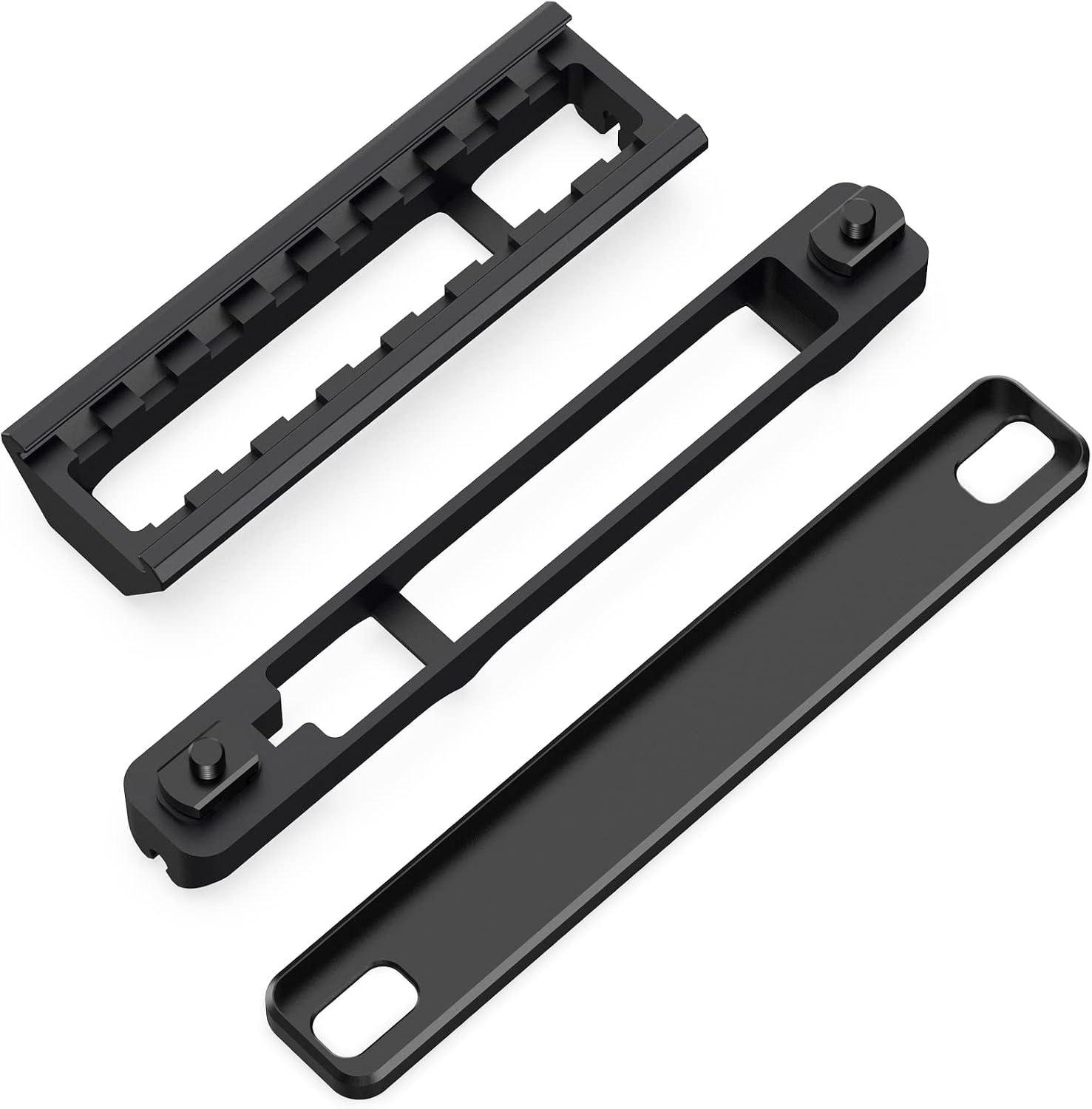
If you’ve ever wrestled with a loose tape switch flopping around on your rail, you know how quickly a clean setup can turn into a cable calamity. that’s what led us to the Feyachi Tape Pressure Switch Mount Plate for the FL-series lights, WL18, and GL6 green laser-specifically the combo of the MP22 for M‑LOK and the MP23 for Picatinny. Out of the box, the kit is straightforward: both mount plates, T‑nuts and screws for M‑LOK, and an Allen wrench. No switch included, which is fine-this is all about taming the PS‑16 and similar remote pads.
Our first impressions are promising. The polycarbonate build has that sweet spot of flex and firmness-snappy enough to install without drama, rigid enough to feel confident once it’s locked down. The MP23 snaps onto standard 20 mm picatinny with a reassuring click, while the MP22 fastens to M‑LOK with simple T‑nut hardware. both are low‑profile and featherweight, with the MP23 spanning roughly 10 slots and the MP22 running slimmer and longer across three M‑LOK slots. On the bench, the pressure pad routes cleanly thru the channel and seats where we want it.
In this review, we’ll walk through our install experience, rail fit, and switch retention, than get into ergonomics-how the pad sits under the thumb, how it behaves with gloves, and whether the “lower profile, light weight, and secure” promise holds up once we start moving. We’ll also touch on durability, cable management, and value versus othre mounting options we’ve used.
Where This Mount Fits Into Our Setup
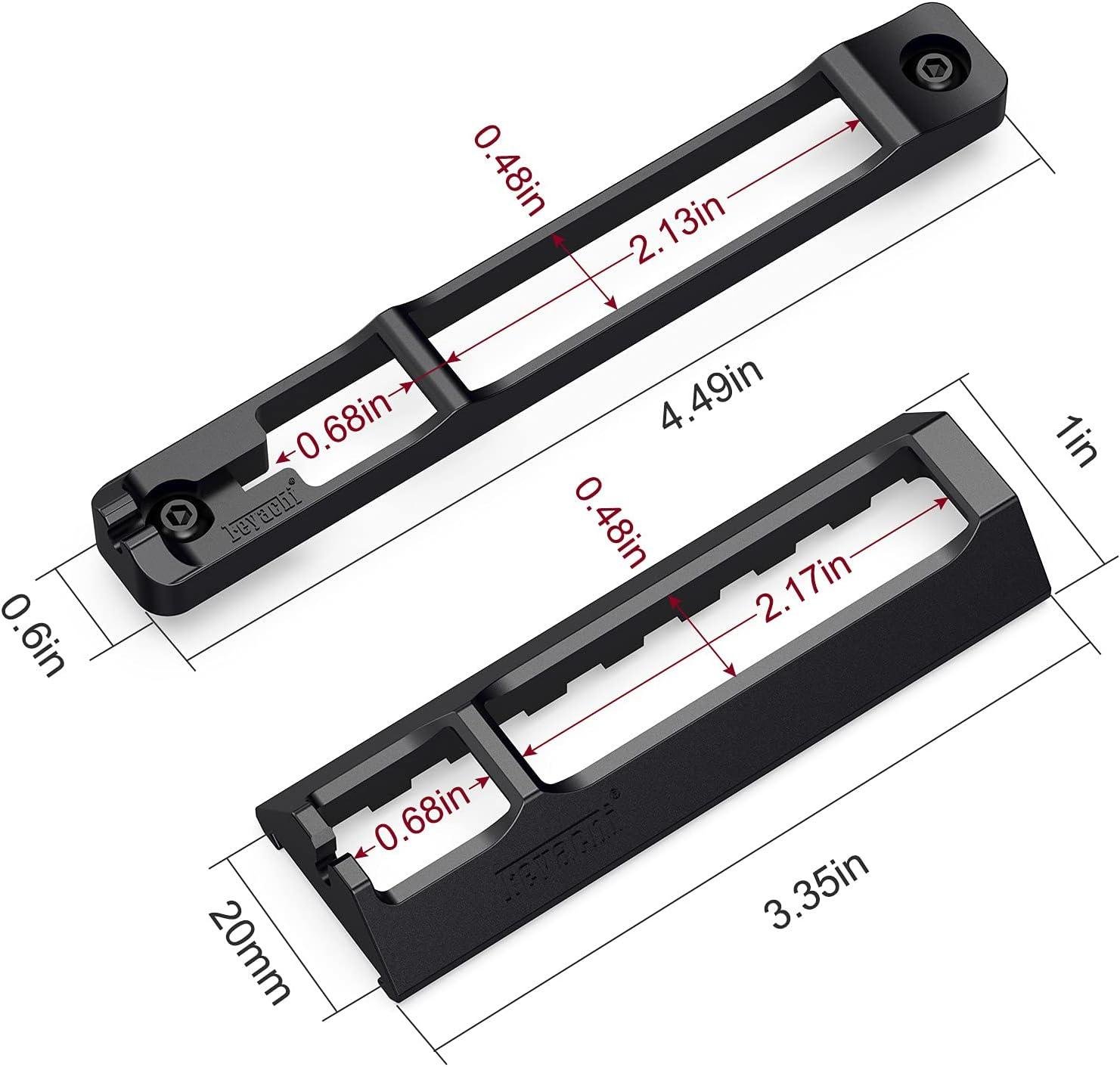
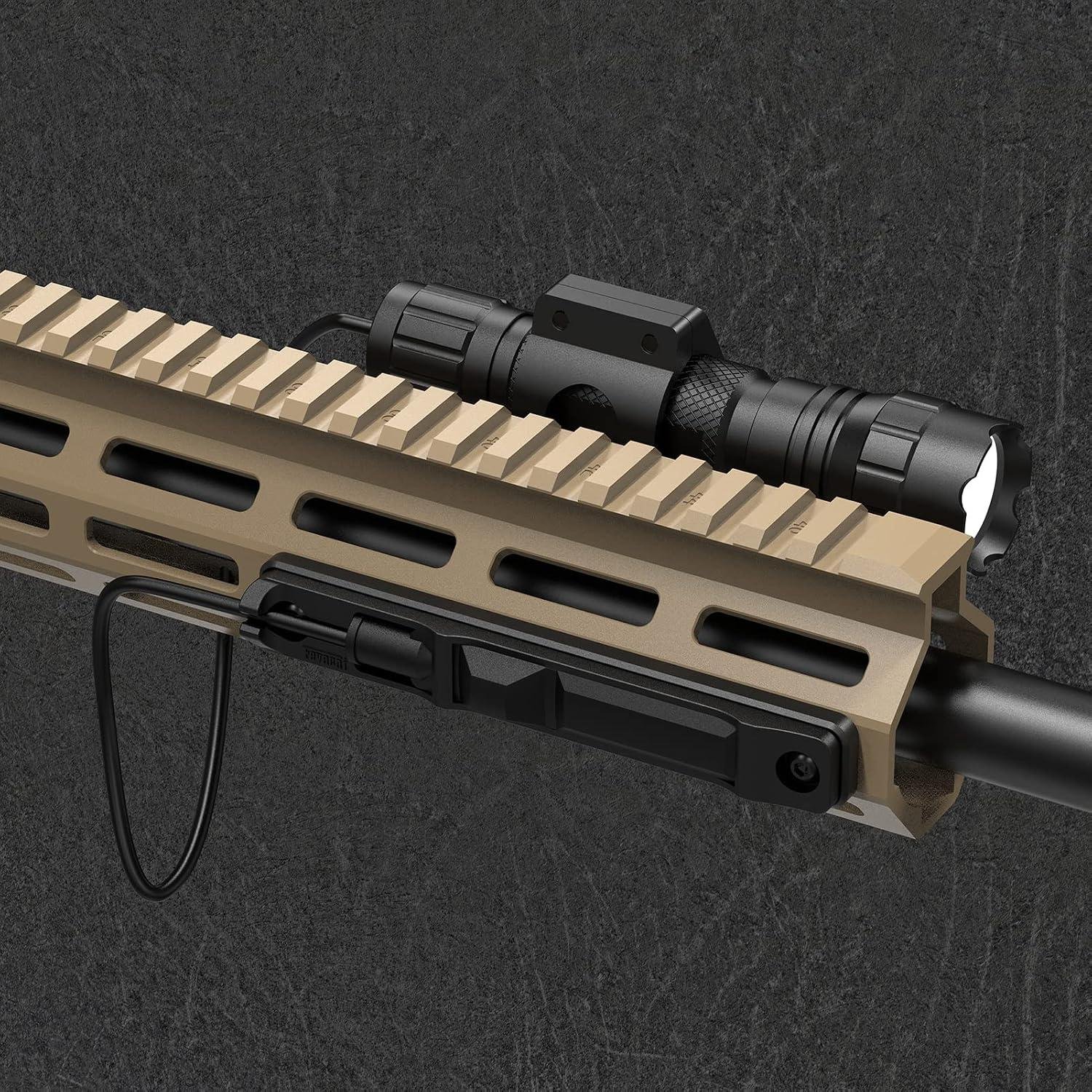
On our mixed-rail builds, this mount slots in exactly where cable management tends to get messy.For our M‑LOK duty upper, we run the MP22 along the support side so the pressure pad meets a natural thumb-over-bore grip. The T‑nuts bite down cleanly, and the low profile (4.9″ x 0.56″, 0.17 oz) keeps things snag-free while still offering a solid channel for the PS‑16 pad.The polycarbonate body has just enough give to seat the switch without drama,yet it shrugs off bumps and torque from sling pulls. Paired with our FL‑series light and GL6 setup, it brings order to the front end without adding bulk or noise.
- MP22 (M‑LOK): Clean, secure cable routing with included T‑nuts and Allen wrench.
- MP23 (Picatinny): Snap‑on simplicity and a more ergonomic grip feel for pad presses.
- Low‑weight, low‑profile: Stays out of the way, keeps the pad exactly where we expect it.
- Rugged polymer: Resilient against bending, twisting, and range abuse.
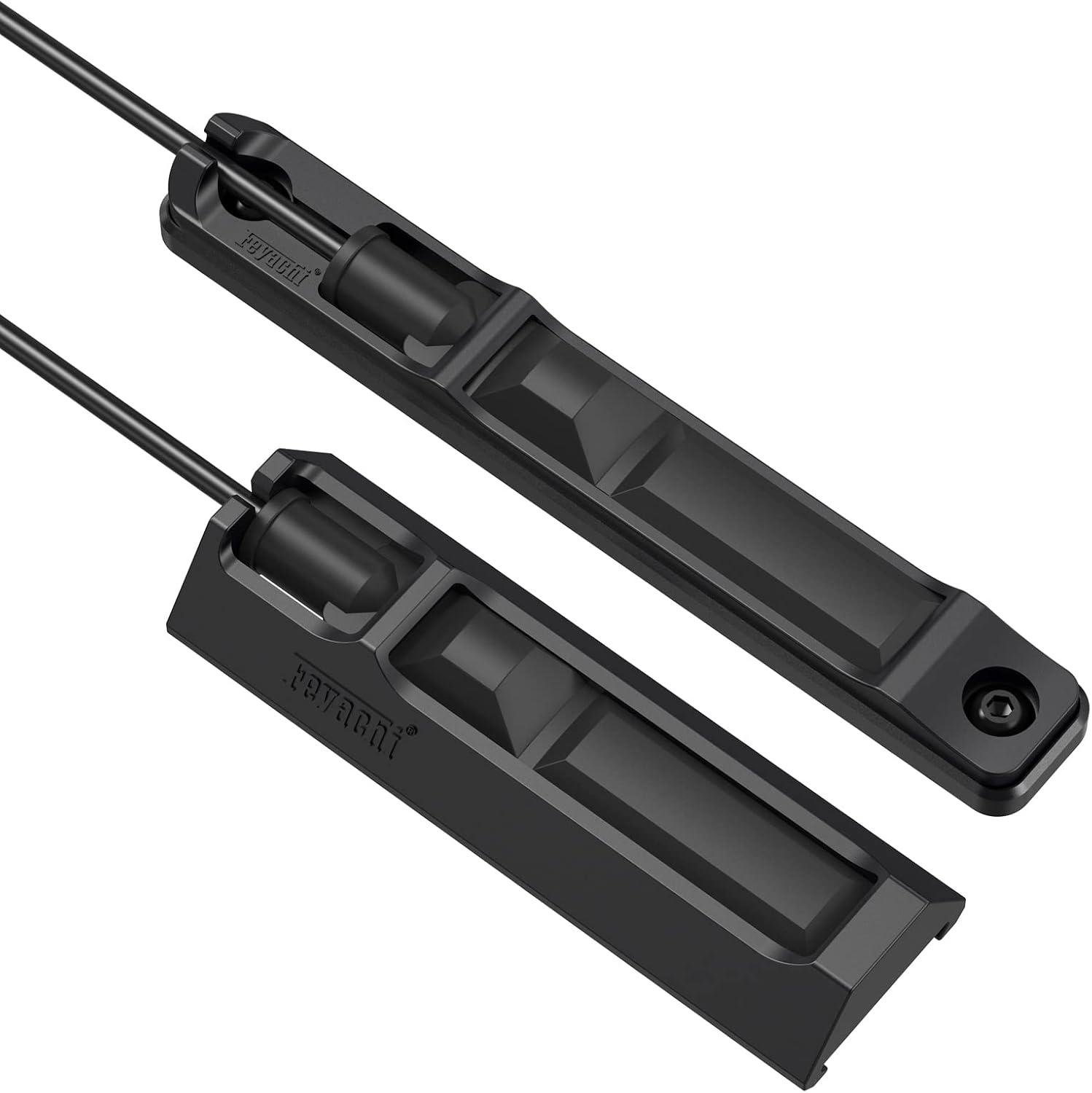
Our quad‑rail PCC wears the MP23 at 10-11 o’clock for fast, consistent activation. It snaps onto a standard 20 mm Pic rail,locks in,and gives us a confident landing zone for the pressure pad (3.3″ x 1″, covers ~10 slots, 0.32 oz). When we swap uppers, the included pair of mounts means we’re never re‑inventing cable management-just moving the pad and getting back to reps. In short, one kit, two rails, and a tidy front end that supports the FL and WL‑18 lights without compromising our grip.
| Version | Rail | Install | Size | Slots | Weight | Best For |
|---|---|---|---|---|---|---|
| MP22 | M‑LOK | T‑nuts + screws | 4.9″ x 0.56″ | 3 | 0.17 oz | Sleek, cable‑clean builds |
| MP23 | Picatinny | Snap‑on | 3.3″ x 1″ | ~10 | 0.32 oz | Ergonomic pad feel |
Dial in your rail setup now
What Stood Out in Design Compatibility and Build
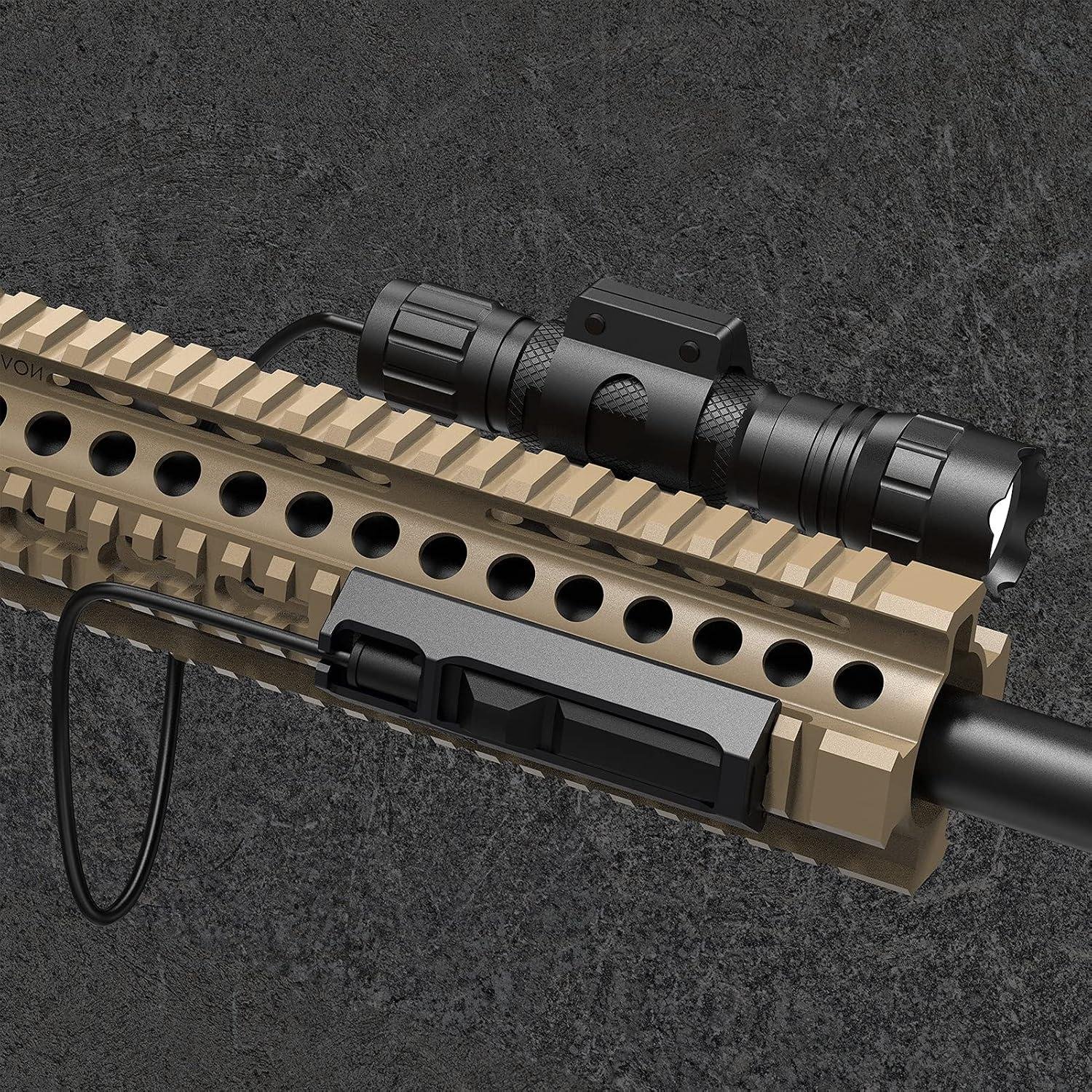
Design compatibility is the headline here: we get two dedicated mounts in the box-MP22 for M-LOK with included T-nuts and MP23 for 20 mm Picatinny that snaps on securely. Routing the remote switch is straightforward, and the pressure pad lands exactly where we place it, keeping our grip natural. Built for the Feyachi FL series (FL11/FL14/FL17/FL22), WL18, GL6, and the PS-16 switch, it keeps things low-profile and lightweight so our setup stays streamlined.
- Dual-platform compatibility: Picatinny (MP23) and M‑LOK (MP22)
- Snap-on vs. bolt-down: choose swift fit or locked-in stability
- clean switch management: feed-through channel keeps cables tidy
- Purpose-built fit: aligns with FL-series lights, WL18, GL6, PS‑16
| Spec | MP22 (M‑LOK) | MP23 (Picatinny) |
|---|---|---|
| Install | T‑nuts + screws | Snap-on 20 mm |
| Length × Width | 4.9″ × 0.56″ | 3.3″ × 1.0″ |
| Slots Covered | 3 | 10 |
| Weight | 0.17 oz | 0.32 oz |
| Grip Feel | Slim profile | More ergonomic |
On build, the polycarbonate thermoplastic body feels unbreakable in practice-resistant to bending, twisting, fading, and heavy impacts-yet it’s “just soft enough” to seat on M‑LOK or Pic rails without fuss. The MP23’s more ergonomic grip factor aids pad indexing, while both mounts keep a secure, snag‑free footprint. Installation is refreshingly simple, and the package arrives ready with MP23, MP22, four T‑nut screws, and an Allen wrench, so we can dial in placement fast and hit the range.
- Durable by design: resilient polycarbonate thermoplastic
- Secure fit: firm hold that won’t pop off accidentally
- Field‑friendly: low profile, featherweight, and impact‑ready
- Ready out of the box: hardware and tools included
See the latest price and options
In the Field Mounting Experience and Cable Management Insights
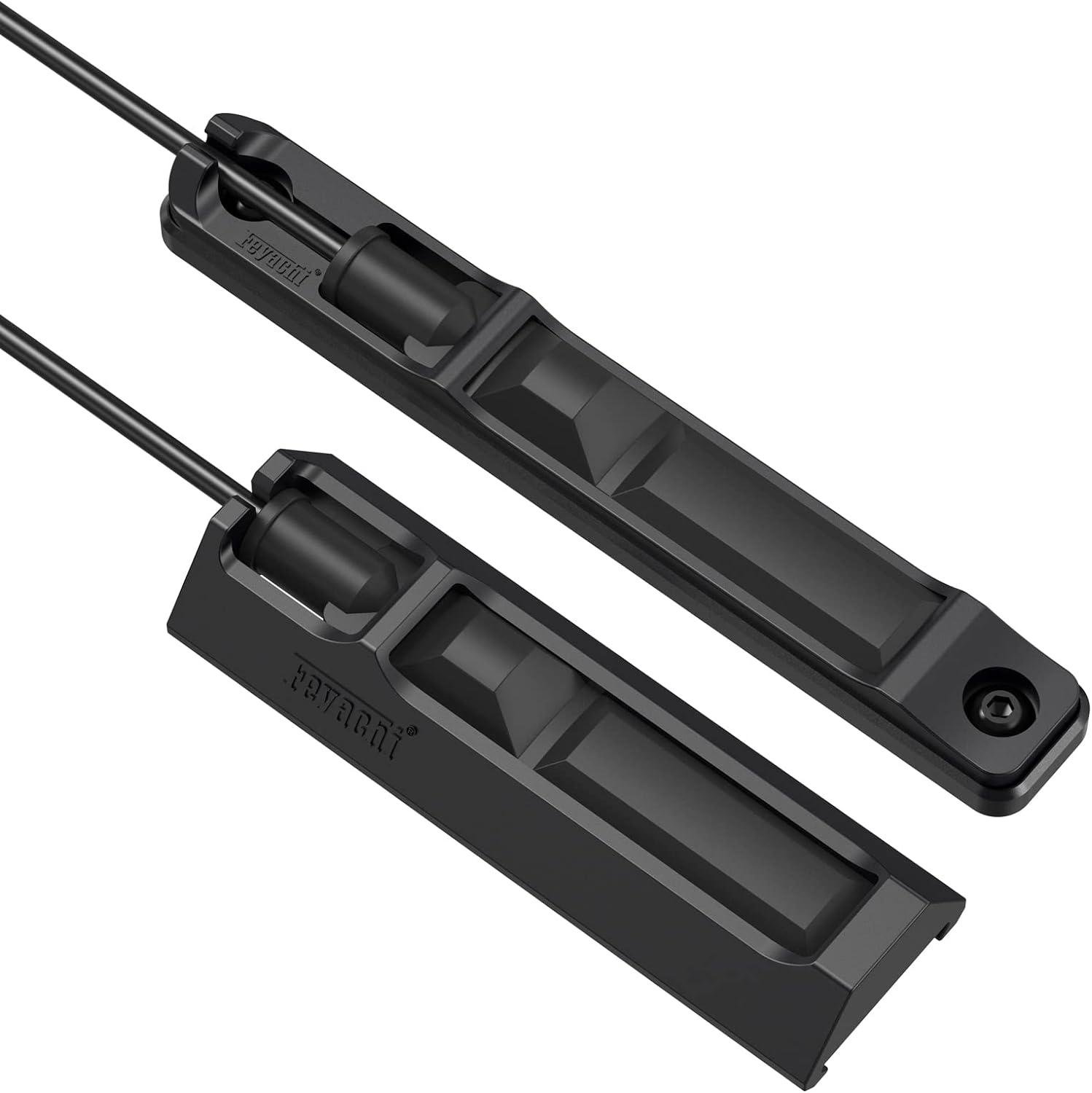
Mounting in the field was refreshingly simple across both rail standards.On M‑LOK handguards, the MP22 locked down with the included T‑nuts and Allen wrench; the polycarbonate body had just enough give to seat cleanly while remaining firm under torque. On a 20 mm Picatinny rail, the MP23 snapped on solidly and stayed put-its longer footprint and more ergonomic grip made pad indexing intuitive without adding bulk. Both versions ride low, feel light, and shrugged off bumps, twisting, and dust, delivering a secure platform we didn’t have to second‑guess mid‑drill.
| Model | Rail | Length | Slots | Weight | Install | Feel |
|---|---|---|---|---|---|---|
| MP22 | M‑LOK | 4.9″ | 3 | 0.17 oz | T‑nuts + Allen | Slim, low‑profile |
| MP23 | Picatinny | 3.3″ x 1″ | 10 | 0.32 oz | Snap‑on | Ergonomic grip |
Cable management was equally dialed. We routed the remote switch through the plate and set the pressure pad exactly where our thumb naturally lands; the MP22 creates a tidy three‑slot corridor on M‑LOK, while the MP23’s ten‑slot span on picatinny offers precise pad placement along the 1, 9, or top rail. The secure fit kept the lead hugging the rail-less bow, fewer snags, and clean activation even with gloves-while the resilient thermoplastic shrugged off impacts and fading across long days outdoors (remote switch not included).
- Stable under recoil: snaps/locks in and stays put.
- Low snag profile: cable tracks tight along the rail.
- Fast reconfig: MP23 pops off quickly; MP22 swaps with included hardware.
- Durable polymer: withstands bending, twisting, and hard knocks.
Who Should Choose MP22 or MP23 and How We Recommend Setting It Up
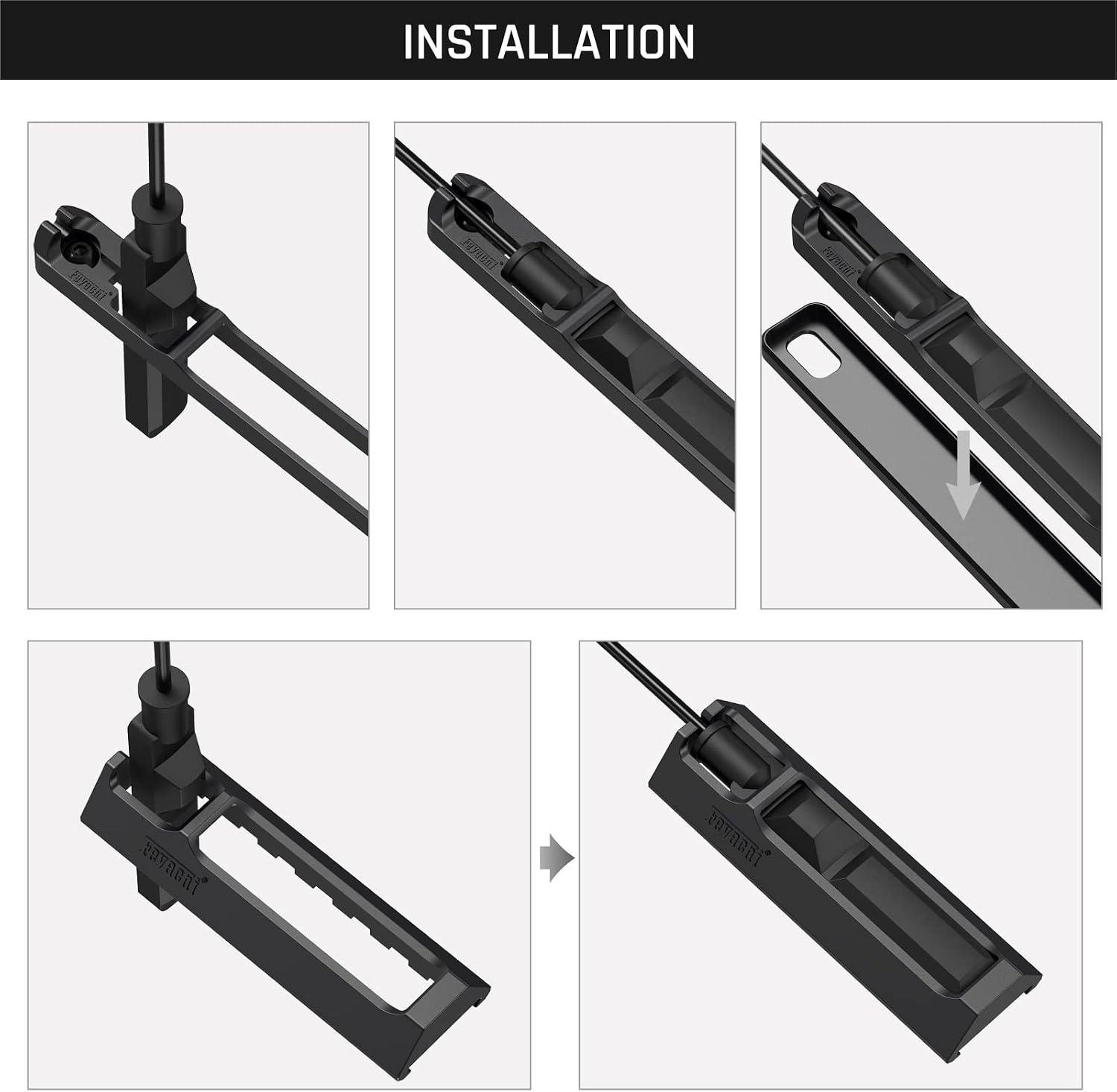
MP22 vs. MP23-who gets what? If your platform runs M‑LOK, grab MP22; it bolts directly into the slots with included T‑nuts for a featherweight, low‑profile mount that stays put. If you’re on a standard 20 mm Picatinny, choose MP23; it simply snaps on and delivers a slightly more ergonomic grip feel under the thumb.Both options are built from tough polycarbonate that shrugs off bending, twisting, and impacts, and both keep the switch pad snug without adding bulk. Compatibility covers the Feyachi FL11, FL14, FL17, FL22, WL18, GL6, and the PS‑16 pressure switch-so most of us in the Feyachi ecosystem are covered. Bonus: the package includes both mounts, plus T‑nut screws and an Allen wrench, so we can outfit multiple setups or switch rails without buying twice.
| Model | Rail Type | Length | Width | Weight | Coverage | Trait |
|---|---|---|---|---|---|---|
| MP22 | M‑LOK (T‑nuts) | 4.9″ | 0.56″ | 0.17 oz | 3 slots | Low profile |
| MP23 | Picatinny (snap‑on) | 3.3″ | 1.0″ | 0.32 oz | 10 slots | Ergonomic feel |
- Pick MP22 if weight and sleek cable routing on M‑LOK matter most.
- Pick MP23 if you want quick, tool‑less Picatinny install with a broader pad footprint.
How we set it up for best results We start by choosing a thumb‑natural spot along the rail where the pressure pad won’t conflict with other controls. For MP22, we seat it in the M‑LOK slot, drop in the T‑nuts, and snug them with the included Allen wrench-firm, not over‑torqued. for MP23, we align on the Pic rail and press until it locks in cleanly. Then we thread the PS‑16 (not included) through the channel and seat the pad so activation feels effortless. A quick function check confirms there’s no cable snag and the mount remains secure after a few bumps-its resilient polymer keeps everything tight yet forgiving.
- Cable management: route slack along unused rail space; avoid sharp bends.
- Pad placement: set where your support‑hand thumb naturally lands.
- Final check: press the pad from multiple angles to verify consistent activation.
See today’s price and options
Customer Reviews Analysis
Customer Reviews Analysis
At the time of writing, we aren’t seeing a meaningful volume of customer feedback specific to the Feyachi MP22 (M-LOK) and MP23 (Picatinny) switch mount plates. That means no trustworthy sentiment score yet-just a quiet field waiting for range reports. Until those roll in,here’s how we’re framing what matters and how we’ll read the early chatter when it arrives.
What we expect to hear (based on similar mounts)
- Fitment clarity: Correctly choosing MP22 for M-LOK slots vs MP23 for Picatinny rails.Many “doesn’t fit” complaints on mounts elsewhere end up being a variant mix-up.
- Clamp and retention: How solidly the plate holds the pressure pad during recoil,repeated manipulations,and light impacts.
- Cable management: Whether the plate’s channeling and tie points tame cable slack and reduce snag risk.
- Ergonomics under stress: Thumb reach, indexing by feel, and consistency with gloved hands or in low light.
- Hardware quality: Screw head durability, thread engagement, and whether thread-lock is necessary out of the box.
- Finish and durability: Resistance to abrasion, solvents, and heat near gas blocks or hot rails.
- Install experience: Straightforward mounting,included tools/spacers,and clear instructions.
- Value for money: Typical with budget-friendly gear, we expect comparisons of cost vs.longevity vs.hold strength.
How we’ll read the early reviews
| Review Theme | Why It Matters | What Good Looks Like |
|---|---|---|
| Compatibility | Avoids buyer mismatch and returns | Clear reports: MP22 = M-LOK, MP23 = Pic rail; snug fit on named systems |
| Retention | Keeps the switch locked during recoil | No wiggle, no pop-outs after live fire |
| Cable Routing | Prevents snags and accidental tugs | Clean runs, minimal slack, ties or channels that stay put |
| Ergonomics | Fast, repeatable activation | Positive indexing, workable with gloves, no hot spots |
| Hardware & Finish | Longevity and low-maintenance | Screws that don’t strip, finish that resists grime/solvent |
| Install | Hassle-free setup | Clear instructions, common tools, no surprises |
Green flags and red flags we’ll watch for
| green Flags | Red Flags |
|---|---|
| Reports of zero shift or slippage after range sessions | Frequent loosening or switch creep after a few mags |
| Photos showing tidy cable runs and clean mounting | Users needing tape/zip ties to keep the pad seated |
| consistent fit on common handguards/rails | Confusion between MP22 vs MP23 causing misfit claims |
| Positive notes on screw quality and finish wear | Stripped heads, flaking anodizing, or rust complaints |
Context that can skew feedback
- Wrong variant picked: A mismatched M-LOK/Pic choice can masquerade as a quality problem.
- Over-torquing: Stripped screws or crushed rails often trace back to improper torque or absent thread-lock.
- Heat zones: Mounting directly over hot areas can accelerate wear and may invite unfair blame on finish or retention.
- Pad brand/shape: Not all pressure pads are identical-edge-case pads might not seat like the intended Feyachi models.
Our bottom line (for now)
With customer reviews still thin, we’re reserving judgment on long-term durability and real-world ergonomics. The MP22/MP23 concept is straightforward-secure the pad, streamline the cable, keep activation consistent.Once buyer reports land, we’ll update this section with verified themes and representative examples. If you’ve run this mount plate through classes or live fire, we’d love to hear your notes on fit, retention, and cable management.
Pros & Cons
Pros & Cons
| Model | Rail | Install | Length | Width | Slots | Weight | Notable |
|---|---|---|---|---|---|---|---|
| MP22 | M-LOK | T-nuts + Allen (included) | 4.9 in | 0.56 in | 3 | 0.17 oz | Ultra-low profile |
| MP23 | Picatinny | Snap-on | 3.3 in | 1.0 in | 10 | 0.32 oz | Ergonomic pad feel |
What we liked
- Two-in-one adaptability: both M-LOK (MP22) and Picatinny (MP23) mounts in the box give us instant placement options.
- Light, low, and locked: the slim profiles and featherweight build keep the rail clean without adding bulk.
- Durable polymer that takes a beating: the polycarbonate construction shrugs off bending, twisting, and hard impacts.
- Quick, confidence-building installs: MP22 secures with T-nuts and the included wrench; MP23 snaps on and stays put.
- Cleaner switch management: the plate routes the remote lead neatly and positions the pad where our thumb wants it.
- ergo edge on Picatinny: MP23’s shape delivers a more positive, tactile press for the pressure pad.
- Complete hardware in the package: screws and tool included make setup simple.
What gave us pause
- Best fit is Feyachi-first: optimized for FL-series/WL18/GL6 and the PS-16 switch; other brands may not align perfectly.
- Rail real estate trade-off: MP23 covers 10 Picatinny slots, which can crowd other accessories.
- Polymer vs. metal: while tough, plastic mounts may not feel as rigid as aluminum in heat-intensive or heavy-duty setups.
- Remote switch not included: you’re buying the mounts only-plan on sourcing the pad separately if you don’t have one.
- Snap-on reality check: with the MP23, we’d periodically verify lock-up on hard-use firearms.
Q&A
Q: What exactly are the MP22/MP23?
A: They’re low-profile mounting plates for Feyachi tape pressure switches-hardware that wrangles the switch pad and cable so we can activate our light or laser without Velcro, zip ties, or flop. The switch itself isn’t included; these are the mounts.
Q: What’s the difference between MP22 and MP23?
A: MP22 is the M-LOK version that bolts down with included T-nuts; MP23 is the Picatinny version that snaps onto a standard 20 mm rail. MP23 also has a slightly more ergonomic grip feel when we’re pressing the pad.
Q: Do we have to pick one, or do both come in the box?
A: This package includes both: one MP22 (M-LOK) and one MP23 (Picatinny), plus four T-nut screws and an Allen wrench. That gives us flexibility if we swap rails or run mixed setups.
Q: Which devices is it designed for?
A: It’s made for Feyachi’s FL-series tactical flashlights (e.g.,FL11/14/17/22/31/34/37),the WL18 flashlight,the GL6 green laser sight,and the PS-16 pressure switch. It may fit other brands’ pads if the size is similar, but we’d measure before assuming.
Q: How low-profile are these?
A: Manufacturer-stated dimensions:
– MP23 (Picatinny): 3.3 inches long,1.0 inch wide, about 0.32 oz; covers roughly 10 Picatinny slots.
– MP22 (M-LOK): 4.9 inches long, 0.56 inch wide, about 0.17 oz; spans three M-LOK slots.
Both sit sleek to the rail and keep snag risk down.Q: What are they made of, and how tough are they?
A: They’re polycarbonate thermoplastic polymer-lightweight yet resilient-built to handle bending, twisting, fading, and hard knocks. In our hands, they feel more confidence-inspiring than double-sided tape without the bulk of some metal mounts.
Q: How secure is the attachment?
A: MP22 locks to M-LOK with T-nuts for a solid hold. MP23 snaps firmly onto picatinny and stays put under normal use. We haven’t seen wobble once seated correctly.
Q: How do we install the pressure switch pad?
A: We route the remote switch cable through the plate’s channel and seat the pressure pad in the press area. No adhesives are required, and the plate helps manage slack so the wire doesn’t wander.
Q: Is installation arduous?
A: It’s straightforward. MP22: position over M-LOK slots,align the T-nuts,and snug them with the included Allen wrench.MP23: align with the rail and press it on until it clicks. Then thread the cable and set the pad.
Q: Will this scratch or mark our rail?
A: The polymer is relatively kind to finishes compared with metal.As with any mount, grit between surfaces can mar coatings, so we give rails a quick wipe before mounting.
Q: How’s the ergonomics in actual use?
A: MP23’s profile makes thumb indexing feel natural on Pic rails, and MP22 keeps our pad centered and consistent on M-LOK handguards.Both reduce pad migration and help us find the switch by feel.Q: any cable management beyond the pad channel?
A: The plate corrals the pad and initial lead. For longer runs, we add rail clips or small zip ties elsewhere to keep the run tidy.
Q: Can we move or reuse the mounts?
A: Yes. MP23 pops off and re-snaps easily; MP22 removes with the T-nuts. They’ve held tension after multiple repositionings in our testing.
Q: any limitations we should know?
A: Three to ten rail slots of real estate is a commitment on compact builds. The switch isn’t included. Also, while the polymer is tough, we avoid placing it right next to extreme heat sources.
Q: Who is this for?
A: Builders who want a sleek, secure, and repeatable switch position-especially if we’re tired of adhesive pads creeping or snagging. It’s a clean, lightweight upgrade that keeps controls exactly where we want them.
Discover the power
Wrapping up, the Feyachi MP22/MP23 delivers exactly what we hoped for from a switch mount: low-profile control, straightforward installation, and a surprisingly sturdy feel for such a lightweight polycarbonate build. the MP22’s secure M‑LOK T‑nut setup and the MP23’s snap-on Picatinny fit give us flexible options, and the included hardware makes it a clean, no-fuss add. We appreciate the ergonomic touch on the MP23 and the tidy cable routing across both plates. Just remember the remote switch isn’t included,and if you’re a die-hard metal-only purist,the polymer construction-while durable-won’t change your mind.
For everyone else seeking sleek,dependable switch management without added bulk,this pairing hits the mark for both M‑LOK and Picatinny rails. Ready to streamline your setup?
See the Feyachi MP22/MP23 on Amazon