
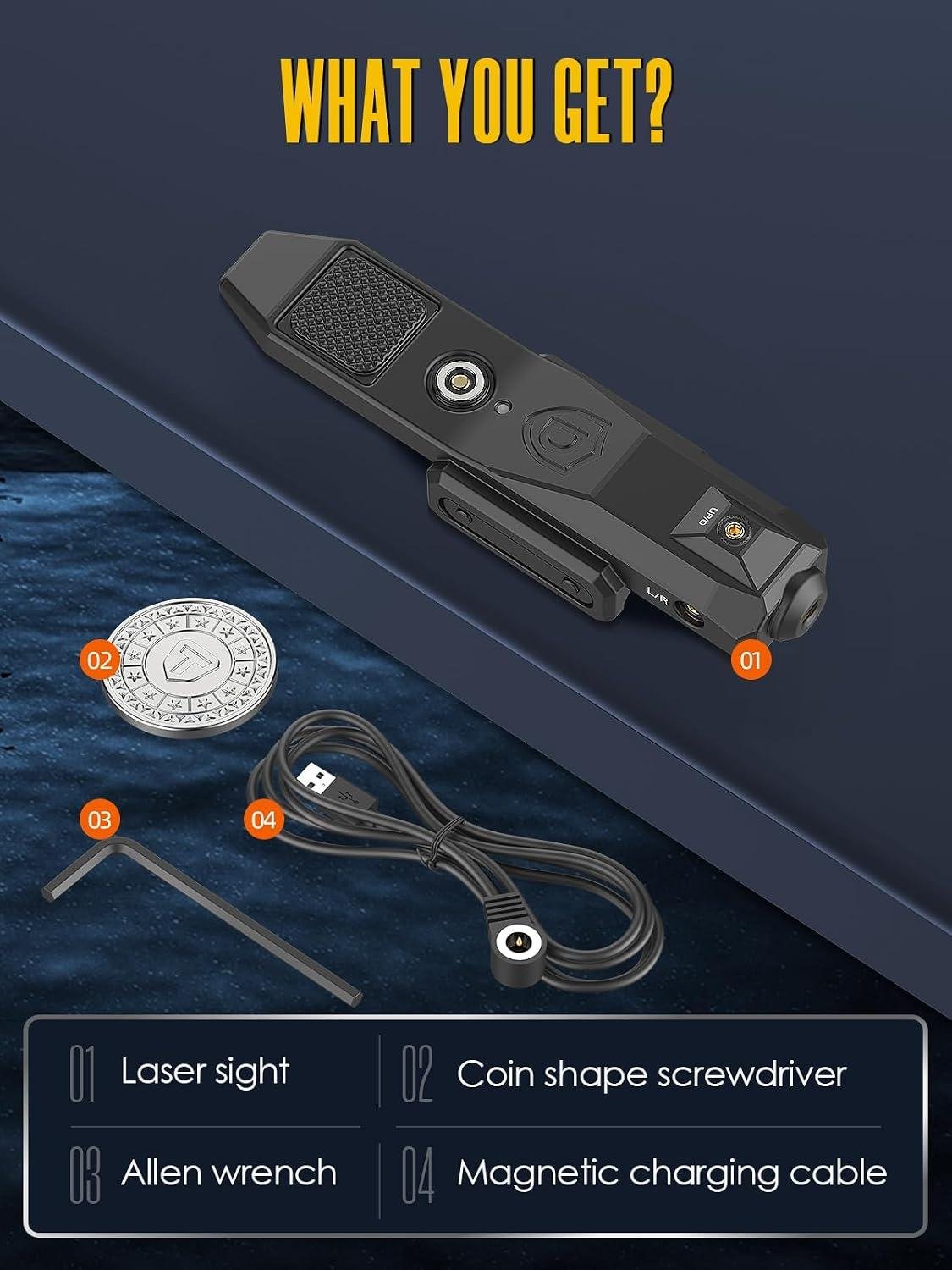
If a laser sight is going to earn a home on our rail, it has to do two things right out of the gate: disappear until we need itand light up when we do. That’s why we where curious about the Ultra Compact Red/Green/Blue Laser Sight with Strobe/Momentary Function-a featherweight,38-gram unit built from high‑strength nylon,promising serious brightness,simple controls,and magnetic recharging in a footprint that barely peeks past the guard.
we mounted it on a few 1913 Picatinny platforms and were up and running in minutes. The single-button interface for momentary and strobe is glove-friendly, windage/elevation adjustments are straightforwardand the low profile plays nicely with optics. In daylight, the green dot stood out better than expected at practical distancesand at night it was unmistakable. The housing feels tougher than its size suggestsand so far it’s held its position through routine range time-something we’ll stress‑test further.
Of course, the promise of a built‑in, non‑replaceable battery cuts both ways. The magnetic charger is convenient and cleanand the stated three-hour runtime is ambitious for such a small package. We’ll be watching longevity closely, since reports on battery life vary. Over the next sections, we’ll dig into brightness and bloom, zero retention under recoil, control ergonomicsand whether choosing red, green, or blue makes a real-world difference-or if this ultra-compact is simply a great value wrapped in a clever light show.
Our overview of the Ultra Compact Red Green Blue Laser Sight with Strobe and Momentary Function
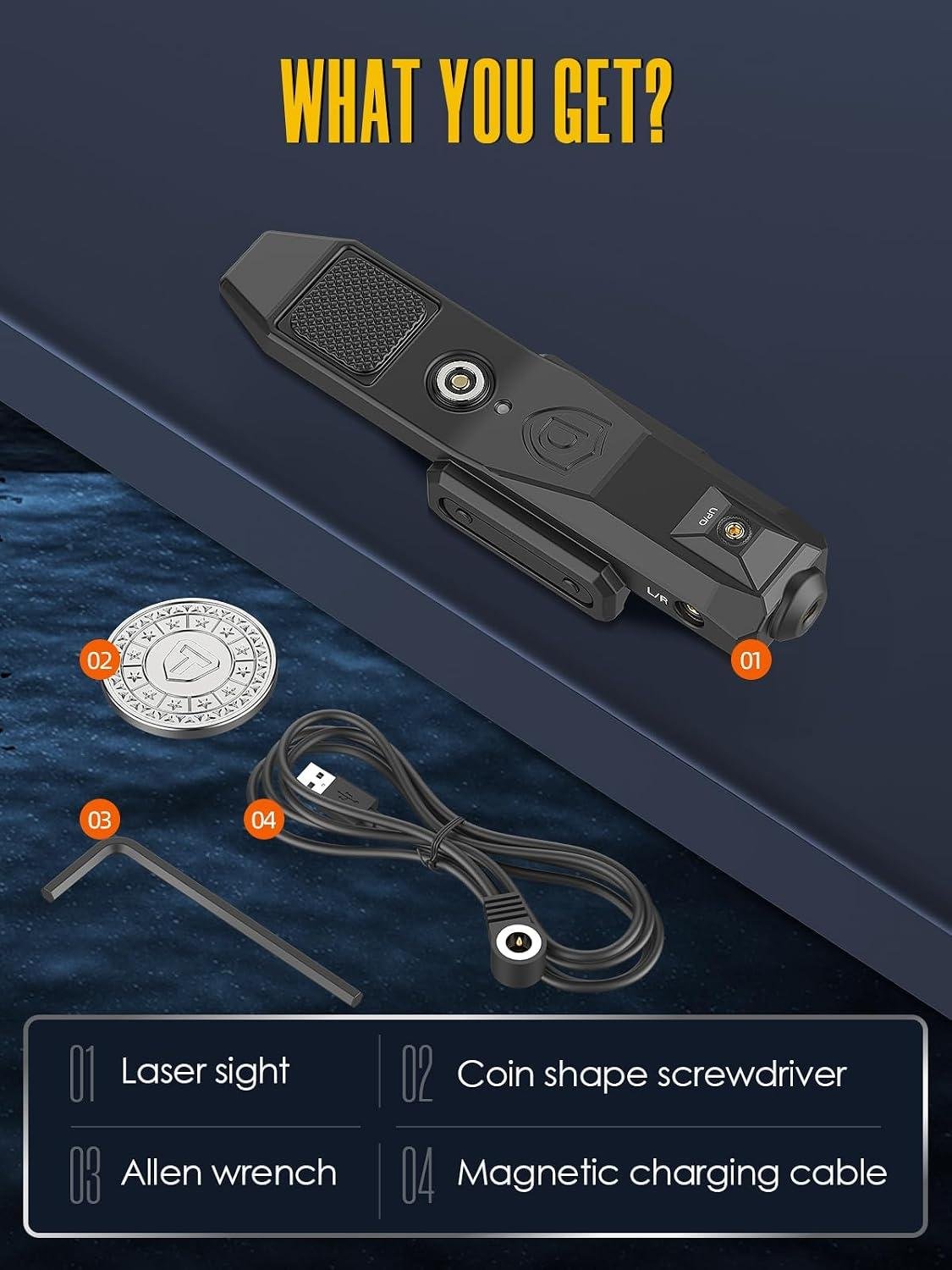
Compact, featherlight, and built to ride a standard 1913 Picatinny rail, this tri-color laser unit impresses with a tough high‑density nylon body and a single, glove‑friendly switch that flips between strobe and momentary. The green beam is the show‑stealer-users report excellent daylight visibility beyond 50 yards, while the brand lists up to 200 m in favorable daytime conditions. We found the footprint discreet enough for carbines and defensive pistolsand owners frequently call out its easy zeroing with straightforward windage/elevation tweaks and solid hold under recoil for the category.
- Highlights: ultra‑light 38 g build, luminous daytime visibility, one‑button operation, magnetic charging, holds zero well.
- Fit & Feel: low‑slung profile that clears most optics and doesn’t snag; simple Picatinny clamp‑up.
- Real‑world feedback: swift install, strong perceived value, clear dot that stays tight at practical distances.
- Trade‑offs: built‑in,non‑replaceable LiPo cell; some users report charging failures over time.
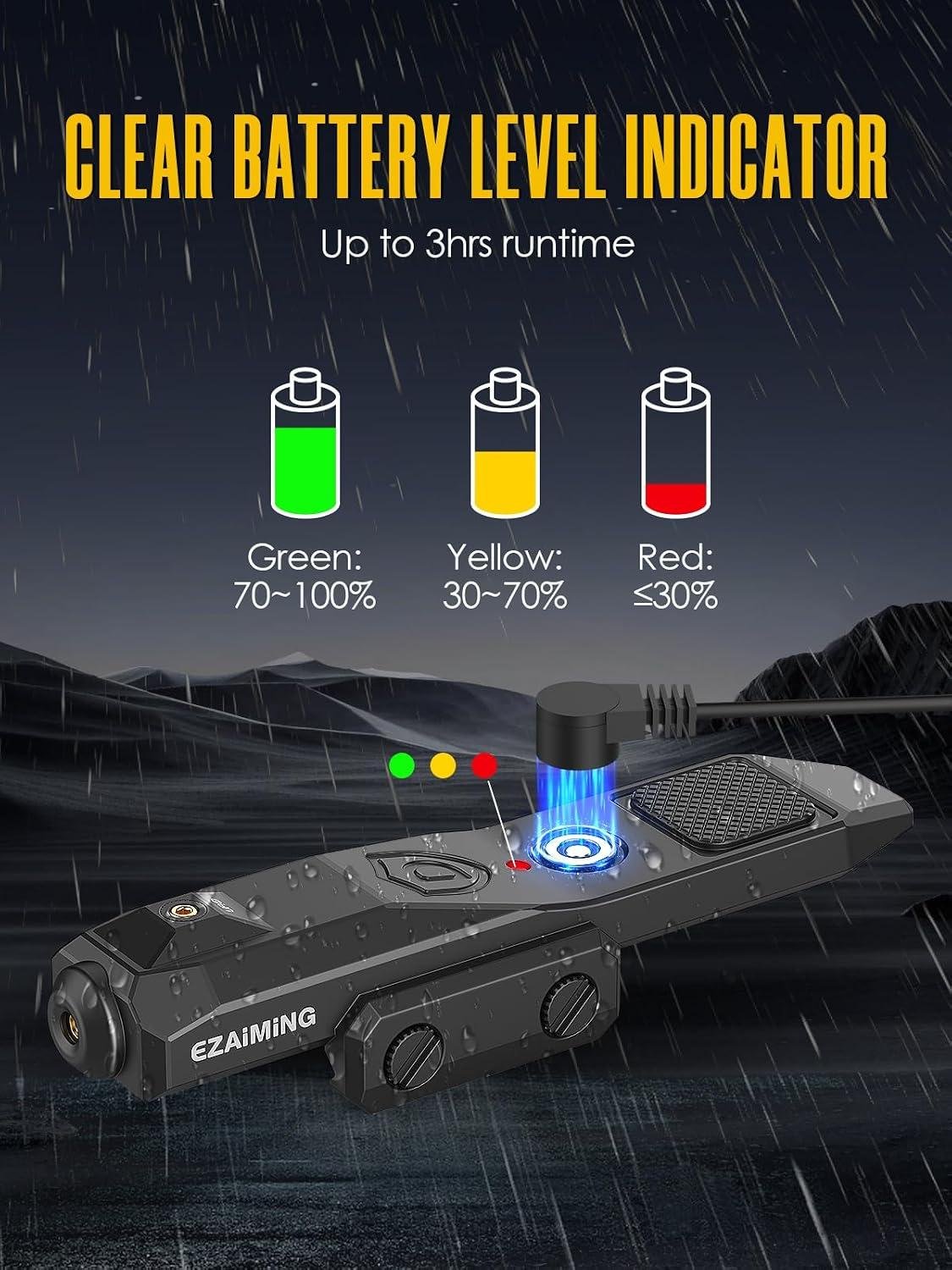
- runtime notes: brand claims about ~3 hours per charge; experiences vary by mode and temperature.
| Beam Colors | Red / Green / Blue |
| Modes | Strobe, Momentary |
| Weight | 38 g |
| mount | 1913 Picatinny |
| Battery | Built‑in LiPo, magnetic charge |
| Runtime | Up to ~3 h (claimed) |
| Class/Power | Class IIIA, < 5 mW |
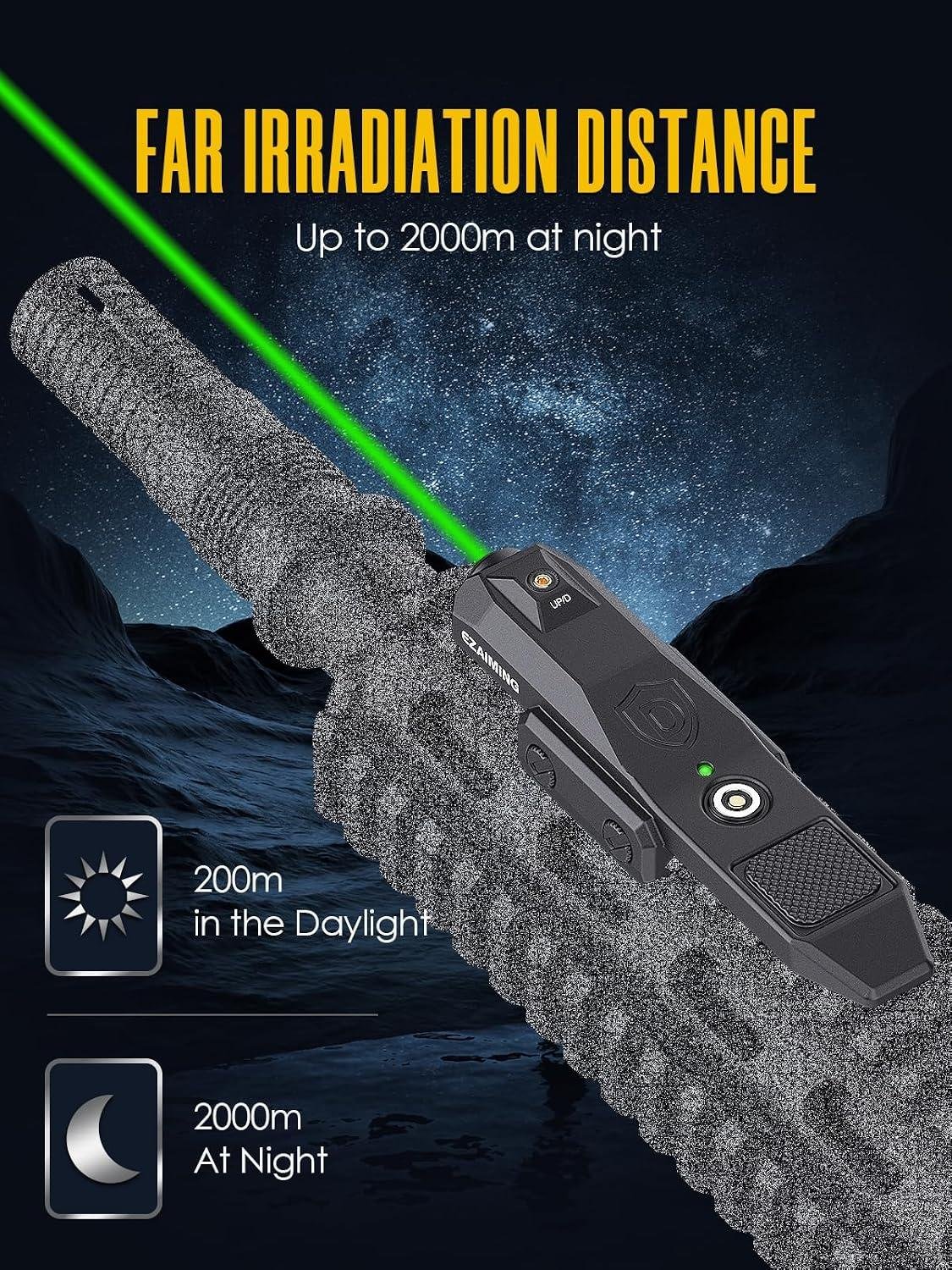
| Daylight Reach | Green up to 200 m |
Charging is a standout thanks to the magnetic cable-no need to unmount-though the sealed cell means long‑term longevity is the key variable to watch. For the price,the combination of brightness,adjustability,and a minimal profile is compelling,especially if you want multi‑color adaptability and fast activation without adding bulk. if you can accept a non‑serviceable battery and keep expectations realistic on runtime and wear, this is a smart, budget‑friendly upgrade that punches above its bracket.
Check availability and today’s price
Design, mounting and controls we noticed right away
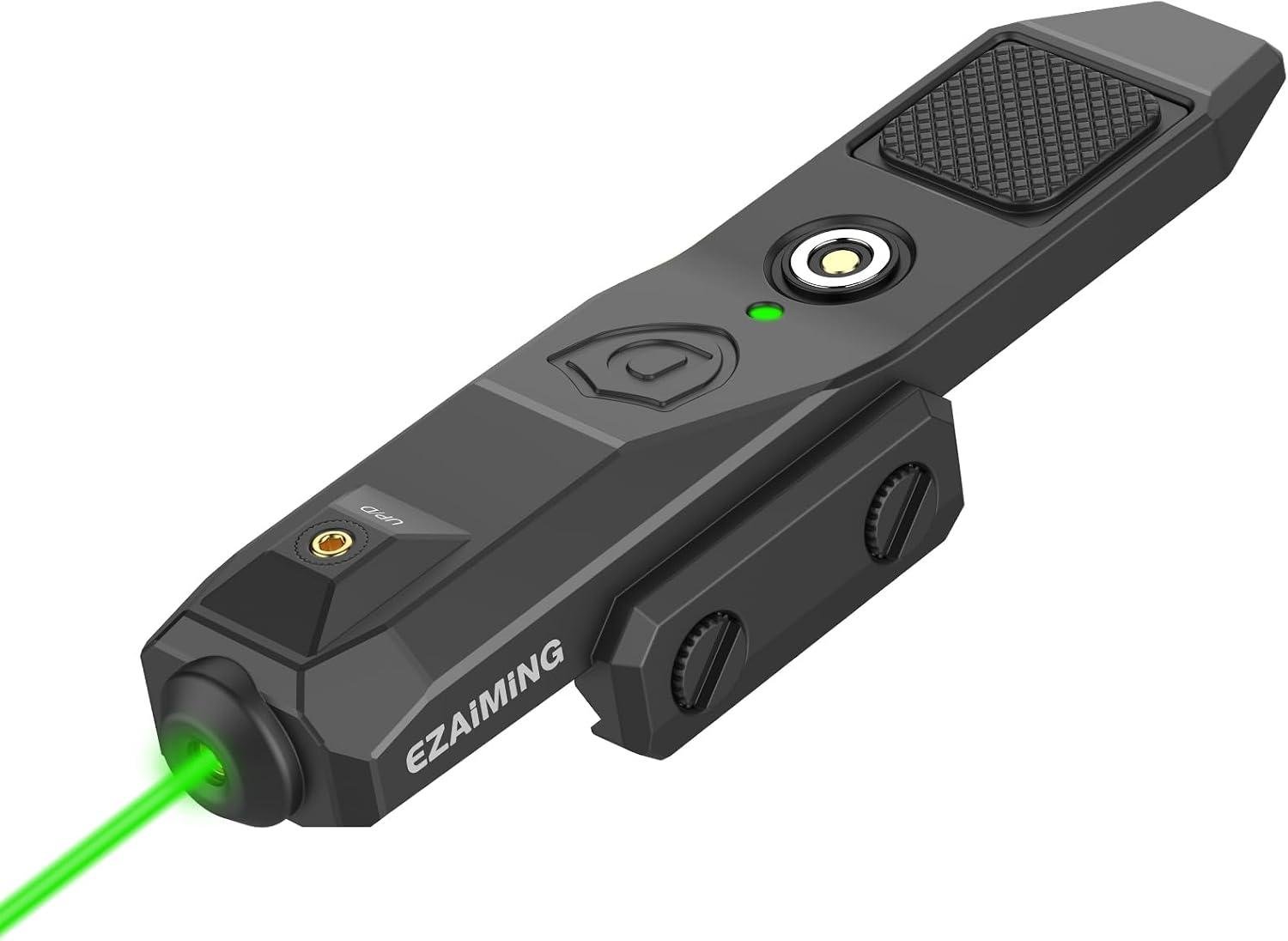
The compact,low-slung design instantly stood out-its high‑strength,high‑density nylon housing keeps weight to a featherlight 38 g while feeling tougher than most budget options. On the rail it hugs tight and sits close to the guard, preserving a sleek profile that plays nicely with scopes and irons. The clear green dot is crisp and impressively visible in bright conditions (rated up to 200 meters, Class IIIA, <5 mW)and the magnetic rechargeable setup means topping off the built‑in LiPo pouch cell is as simple as snapping on the cable.
- Material: High‑strength nylon, recoil‑resistant
- Form factor: Ultra‑light, low profile
- Visibility: Daylight‑capable green beam
- Power: Built‑in, non‑replaceable LiPo with magnetic charging
- runtime: Up to ~3 hours per full charge (advertised)
| Weight | 38 g |
| Laser Class | Class IIIA, <5 mW |
| Daylight reach | Up to 200 m |
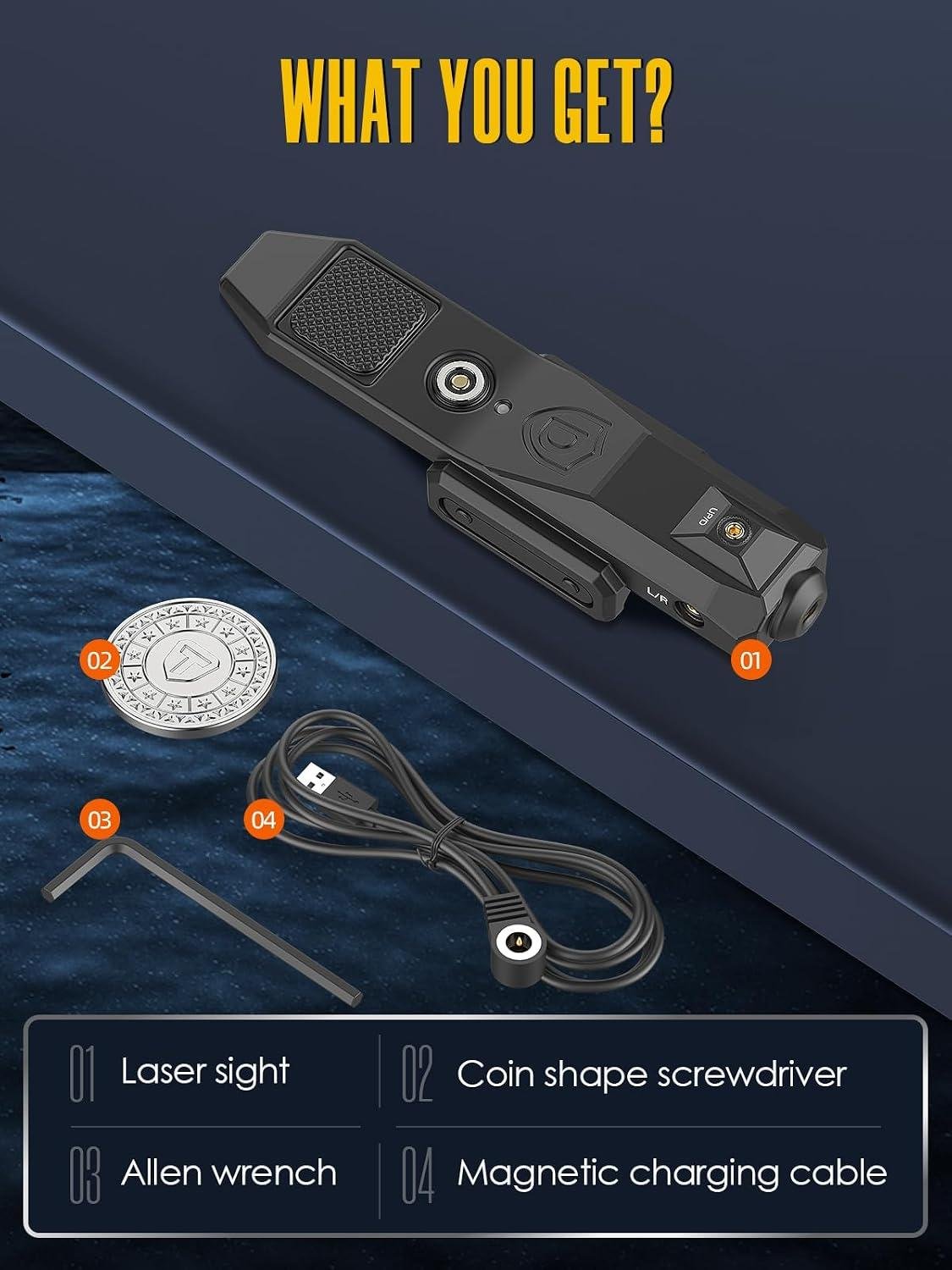
| Charging | Magnetic cable |
| Rail Fit | Standard 1913 Picatinny |
Mounting was pleasantly straightforward on a 1913 Picatinny-the ridge indexes predictablyand once seated, the sight held its place through repeated manipulations. Windage and elevation adjustments are precise (tiny hex screws instead of big dials)and the one‑button interface makes strobe or momentary activation quick, even with gloves. do note the built‑in battery is not user‑replaceable; charging is effortless, though some owners report mixed long‑term battery reliability. the control layout is minimalist in the best way: fast to learn, easy to run under stress. Check availability and current price on Amazon
- Mounting: Drop‑on, easy alignment, low profile
- Controls: Single, tactile button for strobe/momentary
- Adjustments: Fine, repeatable W/E via hex
- Power caveat: Non‑replaceable cell; mixed longevity reports
Real world performance of red, green and blue beams alongside the strobe and momentary modes
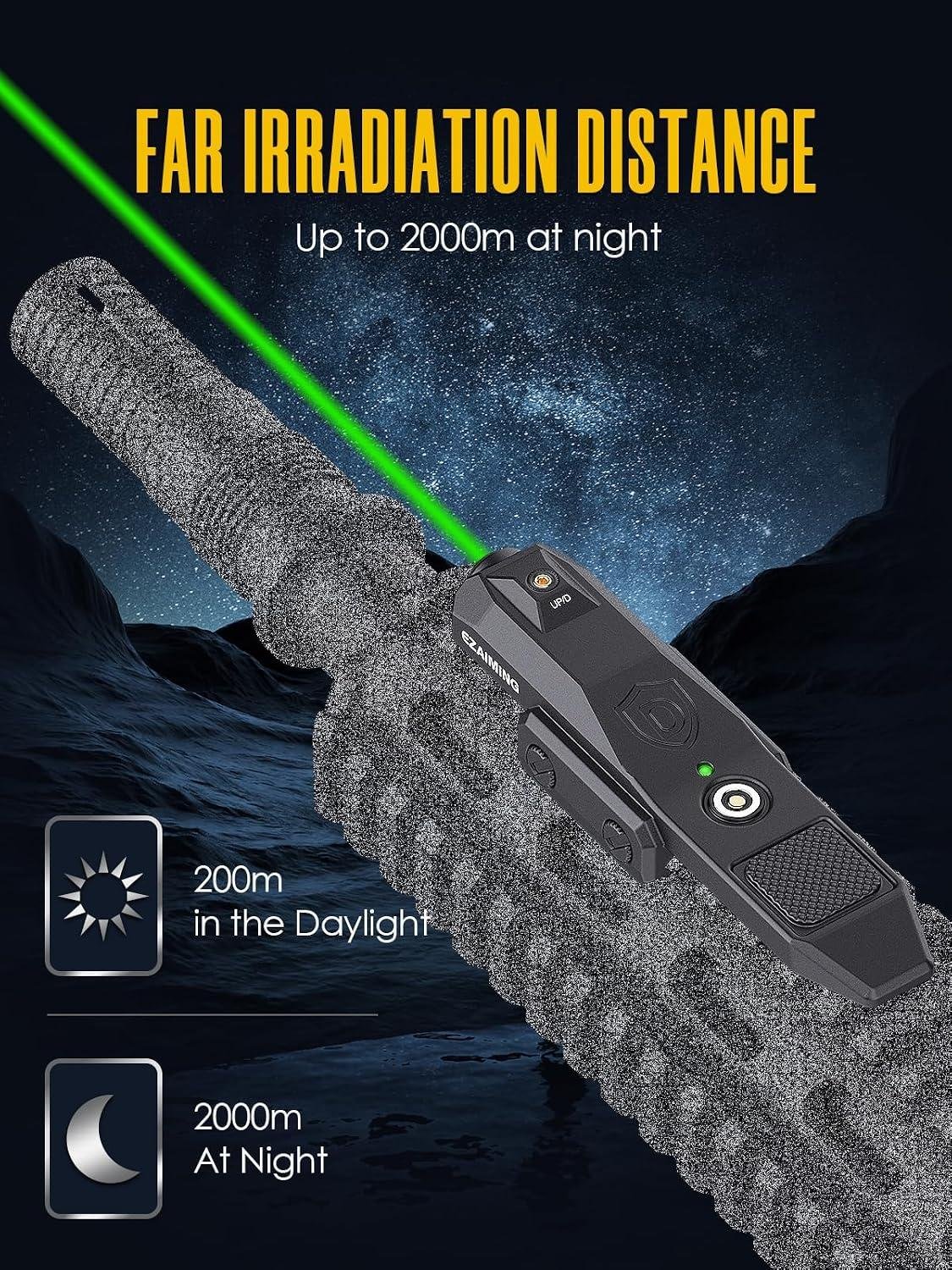
Out on the range, the color story is clear: green dominates bright daylight. Its dot stayed crisp and highly visible at 50+ yards in full sunlight, aligning with the claimed up-to-200 m daytime visibility for the green beam (Class IIIA, <5 mW).Red remains the most comfortable pick indoors and at dusk, where its softer signature avoids washout. Blue is the attention-grabber-easy to track against foliage or dark targets-though the spot tends to grow slightly at longer distances, which we noticed past the half‑football‑field mark. The low-profile housing locked to a standard 1913 rail without dramaand the high-density nylon body kept our zero under recoil, with windage/elevation holding steady across repeated strings.
- Green: brightest outdoors; crisp dot in full sun; long daytime reach.
- Red: best in low light and indoors; clean, controllable dot.
- Blue: highly visible and unique; slight bloom at extended range.
Strobe and momentary modes are genuinely practical. The single-button interface is glove-friendly,making it easy to toggle strobe for signaling and hold momentary for quick,no‑nonsense confirmation without committing to a constant beam. Magnetic charging is convenient and cleanand while the unit is advertised for roughly 3 hours per charge, user feedback on longevity is mixed; our takeaway is to top off before longer sessions and lean on momentary to conserve power. Between the featherweight 38 g build and reliable on-rail ergonomics, the modes add real utility without cluttering the workflow.
| Mode/Beam | Best Use | Effect | Battery Impact |
|---|---|---|---|
| Constant Green | Daylight zeroing | Max visibility | Moderate |
| Constant Red | Indoor drills | Comfortable contrast | Low-Moderate |
| Constant Blue | Mixed backgrounds | High pop, slight bloom | moderate |
| Strobe | Signaling/attention | Disruptive flash | Lower than constant |
| Momentary | Quick confirm | On‑demand precision | minimal |
See live price and availability on Amazon
Our recommendations on configuration, compatibility and who will get the most value
Configuration & fitment tips: we had the best results pairing the green emitter for bright daylight use and reserving red/blue for low-light training or indoor ranges. Zero with your primary sight at 10-25 yards, then confirm after a live-fire session; windage/elevation are precise but use a light touch with the hex screws. on pistols, keep it low and tight to the trigger guard; on carbines/shotguns, a 3 or 9 o’clock rail lets your support-hand thumb ride the single-button control. The magnetic recharging is convenient-charge fully before range days and avoid leaving it tethered for days to extend the non‑replaceable LiPo’s lifespan. stick to standard 1913 Picatinny rails and re-check torque after recoil-heavy sessions.
- Zeroing: 10-25 yd co-witness; verify after 50-100 rds
- Modes: momentary for precision; strobe for deterrence/ID
- Beam choice: green for sun; red/blue for indoor/low-glare
- Mounting: push forward on the rail slot; tighten evenly
- Power: full charge pre-session; cool down before recharging
| Platform | Mount spot | Beam | Zero | Note |
| Compact pistol (1913) | Front rail, flush to guard | Green | 10-15 yd | Glove-friendly button |
| PCC / AR-9 | 3 or 9 o’clock | Green | 25 yd | Low profile with optics |
| 12 ga w/ rail | 3 o’clock | Green | 15-25 yd | Re-check zero post-recoil |
| Rimfire / airsoft | Any 1913 slot | Red/Blue | 10-15 yd | Great training aid |
Who gets the most value: budget-minded owners who want a lightweight (≈38 g), low-profile unit that’s easy to install and bright enough for daytime drills will be happiest here-think home-defense pistols with true Pic rails, PCCsand rimfire trainers. If you run gloves,the single-button interface is a plus,and the nylon housing has handled typical range recoil well in our checks,though we still recommend a quick zero-confirm after hard sessions.
- Best for: first-time laser users, trainers/range practice, home-defense setups, AR-9/PCC owners
- Consider alternatives if you need: field-swappable batteries, duty-grade abuse tolerance, proprietary (non-1913) rail compatibilityor guaranteed long-cycle battery life (some users report early charging failures)
Check availability and today’s price
Customer Reviews Analysis
Customer Reviews Analysis
At the time of writng, we haven’t found verified customer reviews for the Ultra Compact Red/Green/Blue Laser Sight with Strobe/Momentary Function. Rather than speculate, we’re outlining the buyer signals we’ll track the moment feedback appears-and why those signals matter for an RGB, pocket-size platform.
Early Review Snapshot
| Metric | Status | Why It Matters |
|---|---|---|
| Review Volume | None yet | Low counts can skew sentiment; we’ll wait for a broader sample. |
| Average Rating | TBD | Useful only alongside detailed fitment and use-case notes. |
| Zero Retention | TBD | Whether windage/elevation stay put under recoil. |
| Brightness (Day/Night) | TBD | Green typically appears brightest in daylight; we’ll verify real-world visibility. |
| Switch Ergonomics | TBD | Access to strobe/momentary without accidental activation. |
| Battery/Charging | TBD | Runtime, charging port durabilityand charge retention. |
| Mount Fitment | TBD | Compatibility with micro-rails, compact pistolsand tolerances. |
| Durability | TBD | Housing wear, lens scratchesand water/impact resistance. |
| Return/Defect Mentions | TBD | Early QC flags (loose screws, misalignment, dead-on-arrival). |
what We’ll Look For in Buyer Comments
| Search Phrase | Why It’s Useful |
|---|---|
| “holds zero” / “lost zero” | Confirms reliability after range sessions and carry. |
| “daylight visible” / “washout” | Separates indoor wow-factor from outdoor performance. |
| “strobe too easy to trigger” | Flags UI quirks that matter under stress. |
| “fits [your model]” | Real-world rail and holster compatibility. |
| “battery died fast” / “USB-C?” | Practical runtime and charging convenience. |
| “windage/elevation stripped” | Hardware quality of adjustment screws. |
likely Themes Based on Similar RGB Lasers
- Color choice trade-offs: buyers often note green as most daylight-visible,red as frugal on power,and blue as novel but more situational.
- Micro-form-factor friction: compact units can challenge switch reach and holster fit; expect comments on thumb access and accidental taps.
- Zero vs. size: the smaller the body, the more critical screw quality and thread locker become.
How We’ll Weigh Future Reviews
- Prioritize reviews that specify platform, distance, lightingand round count.
- Discount one-liners; elevate posts with before/after zero checks or runtime logs.
- Watch for firmware/hardware revisions noted by date codes or batch numbers.
We’ll update this section once buyer feedback lands. If you own this pocket-size RGB laser, tell us about your platform, zeroing processand whether strobe/momentary help or hinder in real use-those details move the needle for everyone.
Pros & Cons
Pros & Cons
Here’s where this pocket-size RGB laser shines-and where it doesn’t-based on our hands-on impressions and the clearest trends in verified buyer feedback.
Pros
- Daylight-capable brightness: green (and blue/red) beams remain visible past 50 yards in sun; strong low-light punch.
- Pocket-weight build: ~38 g and low profile keep balance and holster fit happy.
- Quick mounting: standard 1913 Picatinny compatibility; simple, glove-friendly single-button operation.
- Modes that matter: strobe and momentary add versatility for signaling and quick indexing.
- Toolable precision: windage/elevation adjustments are fine and predictable once set.
- Magnetic charging: fast, fuss-free top-ups without removing the unit; no loose coin cells.
- Value buy: surprisingly solid for the sub-$30 crowd; feels pricier than it is.
Cons
- Battery reliability is hit-or-miss: some units stop taking a charge within weeks; cell is non-replaceable.
- Zero retention varies: many report rock-solid hold, a few see shift on heavier-recoil platforms.
- Mounting quirks: asymmetrical rail ridge can limit fit on odd rails; not as universal as advertised.
- Dot growth at distance: beam divergence makes the spot look larger past longer ranges.
- Adjustment caveats: requires a hex wrench; isolated reports of non-functional POI screws point to QC variance.
- Three-hour runtime is optimistic with strobe or max brightness; magnetic cable length is short.
- Nylon chassis: tough for the weight,but not the same impact resistance as anodized aluminum.
Verdict at a Glance
| Aspect | What We Liked | Trade-Off |
|---|---|---|
| Brightness | Visible in daylight; crisp green dot | Spot grows at long range |
| Size/Weight | Ultra-compact, 38 g | Nylon, not metal |
| Mounting | 1913 Picatinny, easy install | Fit quirks on some rails |
| Adjustability | Precise windage/elevation | Hex wrench; QC variance |
| Power | Magnetic recharge, no removal | Non-replaceable cell; mixed longevity |
| Modes | Strobe + momentary, one-button | Strobe drains faster |
| Value | Strong performance under $30 | Inconsistent QA at this price |
Best for: budget-conscious buyers who want a bright, featherweight, easy-to-charge laser for range use and training.
Not ideal for: users who prioritize duty-grade durability, replaceable batteries, or guaranteed zero under heavy recoil without testing.
Always follow local laws and safe-handling practices.Test zero and function regularly, especially after mounting or recharging.
Q&A
Q: What is this “pocket-size RGB” laser, exactly?
A: It’s an ultra-compact, 38 g laser sight that mounts to a standard 1913 Picatinny rail and offers strobe and momentary activation. It’s sold in red, green, or blue variants (not all three at once on the same unit), with a built-in rechargeable battery and magnetic charging.
Q: How bright is it in real use?
A: Bright enough to be seen well beyond typical indoor distances and,according to multiple users,still visible at 50+ yards in full sun. The maker claims daytime visibility up to 200 meters; our take is that green remains the most visible in daylight, with red and blue trailing behind. At longer distances the dot can appear larger.
Q: Does it hold zero under recoil?
A: many users report it keeps zero-even after significant rounds-including on shotguns,while others experienced shift or early failure. The housing is high-strength nylon, which keeps weight low but won’t feel like milled aluminum. We’d re-check zero after range sessions and periodically inspect fasteners.Q: How long does the battery last?
A: The brand advertises up to 3 hours per full charge. In the wild, battery life and longevity are mixed: some owners praise the run time and easy recharging; others say their unit stopped recharging within weeks. There’s no user-replaceable cell inside.
Q: How do we charge it?
A: A magnetic USB cable snaps onto the charging points, and you can charge it while it’s mounted.Several buyers wished the cable were longer. As with any lithium polymer cell, we avoid leaving it charging unattended and disconnect once it’s topped up.
Q: Is the battery replaceable if it wears out?
A: No. It uses a sealed, non-replaceable flat Li‑polymer pouch cell.
Q: Is mounting and setup straightforward?
A: Yes. it’s designed for a standard 1913 Picatinny rail and sits very low. Windage and elevation are adjustable via small set screws; you’ll need a tiny hex wrench. We make small,incremental adjustments and avoid over-tightening.
Q: Will it fit our specific firearm?
A: If you have a true 1913 Picatinny section with enough clearance, you should be good. It may not fit proprietary or non-standard rails. Check for handguard or accessory interference if you plan an under-barrel mount.
Q: How do the strobe and momentary modes work?
A: there’s a single control that toggles modes. Momentary means it’s on only while you press; strobe pulses the beam. The button is low-profile and, per user feedback, easy enough to operate with gloves.
Q: Is it durable?
A: For the weight and price, it feels solid. Owners are split: some report flawless function and resilience through hundreds of rounds; others ran into charging failures or said it wasn’t up to heavy recoil. We’d categorize durability as good for budget use, variable for hard-duty abuse.Q: Any caveats we should know about?
A: A few:
– Battery longevity can be hit-or-miss.
– Adjustments use tiny hex screws instead of dial turrets.
– Water-resistance isn’t clearly specified.
- the included charge cable might potentially be short.
Q: Is it safe to use?
A: It’s a Class IIIA laser under 5 mW. We never point it at eyes or reflective surfaces, never at aircraft or vehiclesand we follow all local laws and range rules.Keep it away from children,and treat it with the same respect you give the rest of your kit.
Q: What’s the value proposition?
A: Low profile, bright beam (especially in green), simple controlsand magnetic recharging-all at a budget price.If you want an ultra-light, easy-to-install laser for training, plinkingor as a supplemental aiming reference, it’s compelling. If you need top-tier ruggedness and guaranteed long-term battery reliability, you may want to spend more.
Q: Who will like the blue version?
A: Blue is more of a novelty choice. It can look striking and is perfectly functional, but for pure daylight visibility, green typically wins. If you’re mostly indoors or in low light,color becomes more of a preference call.
Unlock Your Potential
Wrapping up our pocket-size RGB laser test, we’re left with a tiny tool that punches well above its weight-literally.The ultra-light nylon build, low profileand one-button strobe/momentary controls make it easy to live with; the magnetic recharge is a convenience win; and the green beam’s daytime visibility is a standout for the size. At the same time, the built-in, non-replaceable battery is the hinge this door swings on: some users report excellent runtime and reliability, others hit a wall with charging after a few weeks.Platform and recoil seem to play a role, so match expectations to use case.
Buy it if:
– You want a featherweight,rail-ready laser with bright output (especially in green) and simple strobe/momentary controls.
– You value a slim, adjustable, easy-to-install unit with magnetic recharging at a budget-friendly price.
Skip it if:
– you need a replaceable battery,guaranteed long-term charging reliability,or dial-style adjustments.- You run heavy recoil and demand duty-grade durability without compromise.
Our bottom line: for compact builds, training, or budget-conscious setups, this pocket RGB laser is a compelling little signal flare-just keep the battery caveat in mind and test it on your platform. As always, follow local laws and practice safe handling.
Want to see the latest price, specsand real-world feedback?
Check it out on Amazon.