
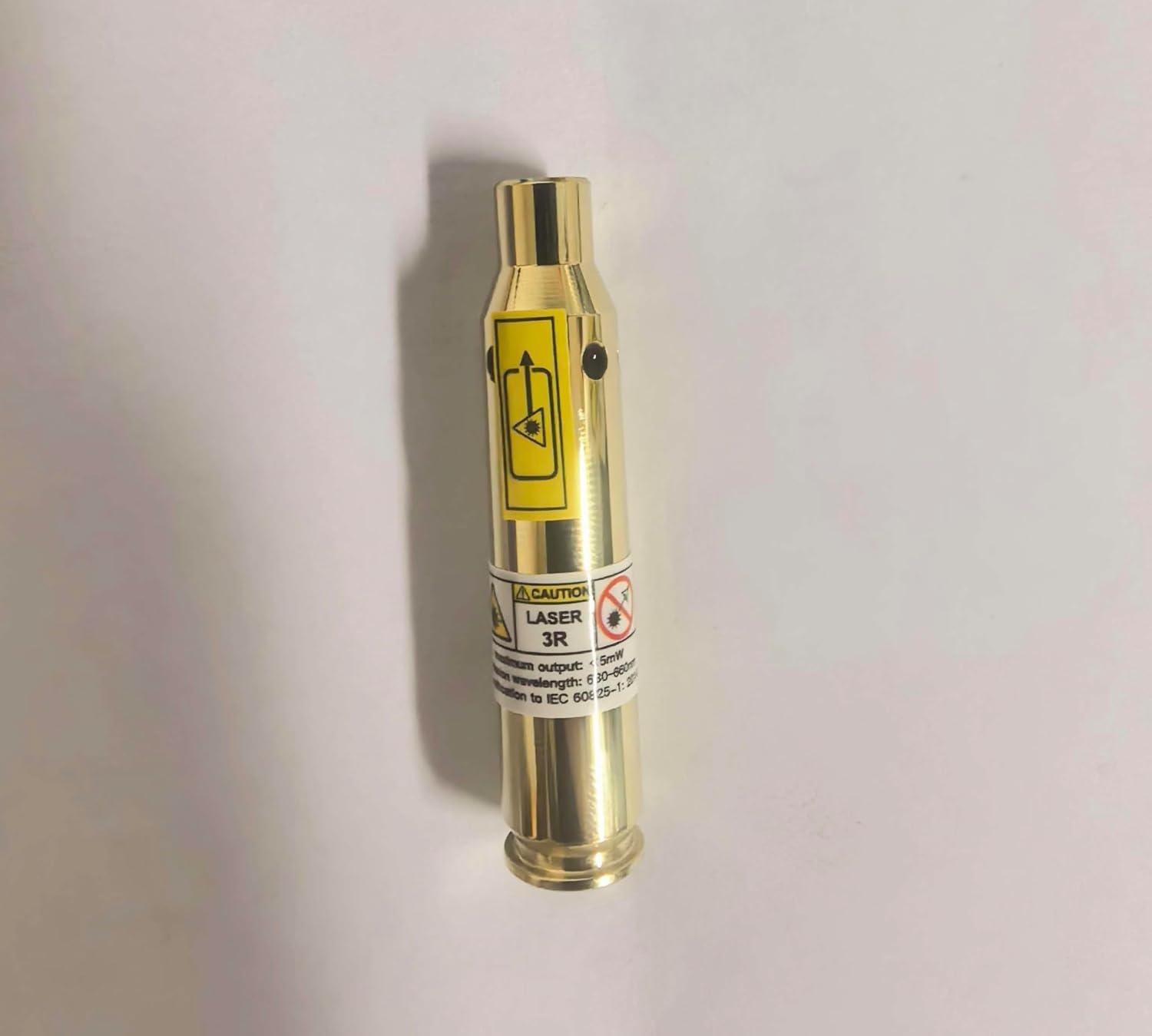
There’s a certain satisfaction in walking onto the range with a plan and walking off with less brass on the ground than usual.That was our goal when we picked up Tipfun’s red laser boresighter-specifically the.223/5.56 model, along with the 9mm and .22 LR variants from the same lineup-to see if this budget-friendly tool could speed up zeroing without turning into an exercise in frustration.
On paper, the Tipfun checks a lot of boxes: brass construction, a Class IIIA (<5 mW) red laserand two sets of AG3 batteries in the package. It's marketed as caliber-specific, meant to seat in the chamber and project a straight beam from the bore's centerline to get optics and irons on paper fast. If you've skimmed the chatter online, you've probably seen the split opinions-some shooters swear it saves ammo and time, others say it's only useful at short distances or gripe about battery life and alignment. We took it to the bench with fresh batteries, a few common rifles and pistols, and a simple plan: check fit and finish, verify laser visibility indoors and out, rough-in optics at 10-25 yards, then confirm live-fire zero at distance.In this review, we'll walk through what worked, what didn'tand where this boresighter actually earns it's keep for the price.
Our Overview of the Tipfun Multi Caliber Red Dot Boresighter
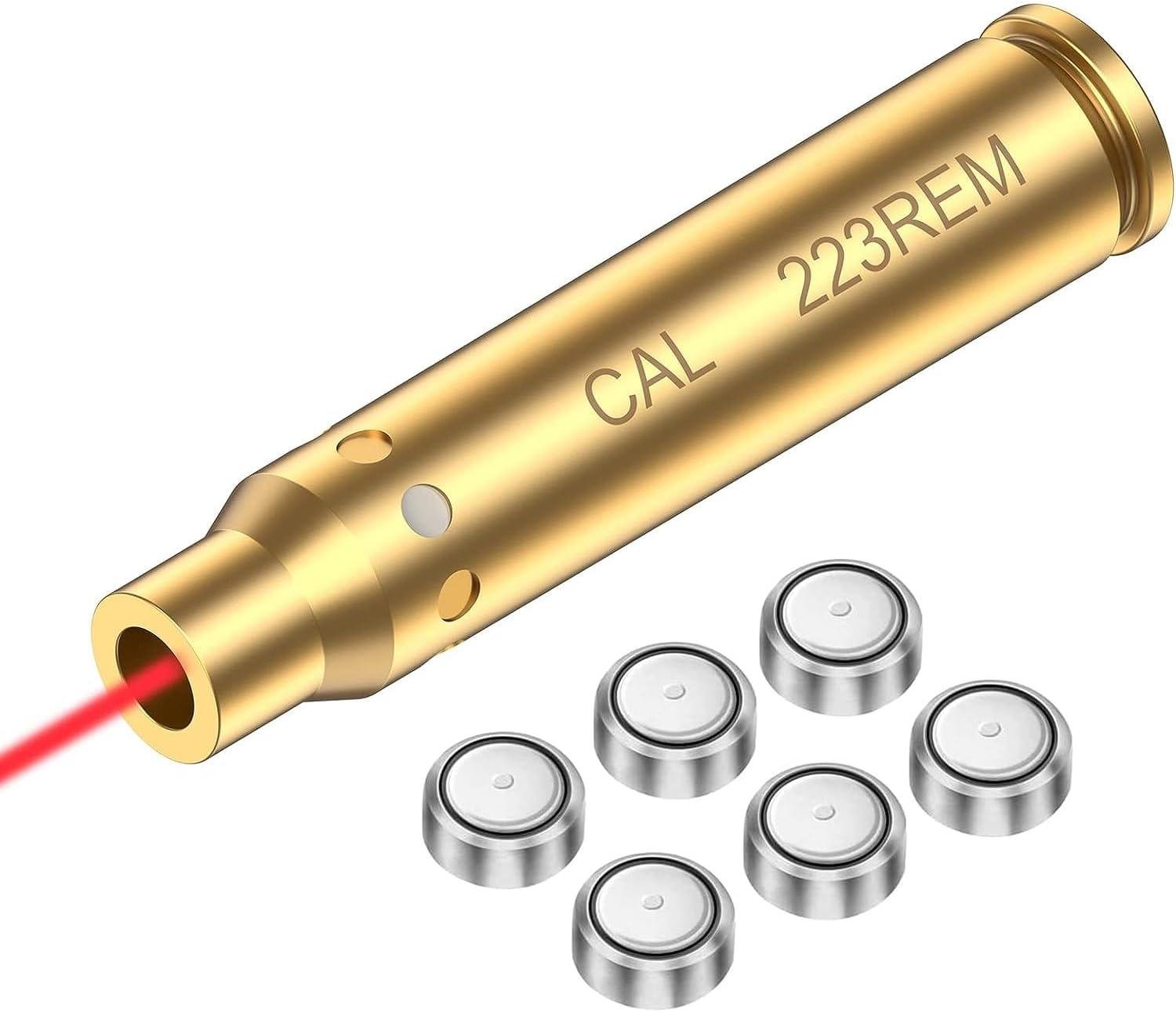
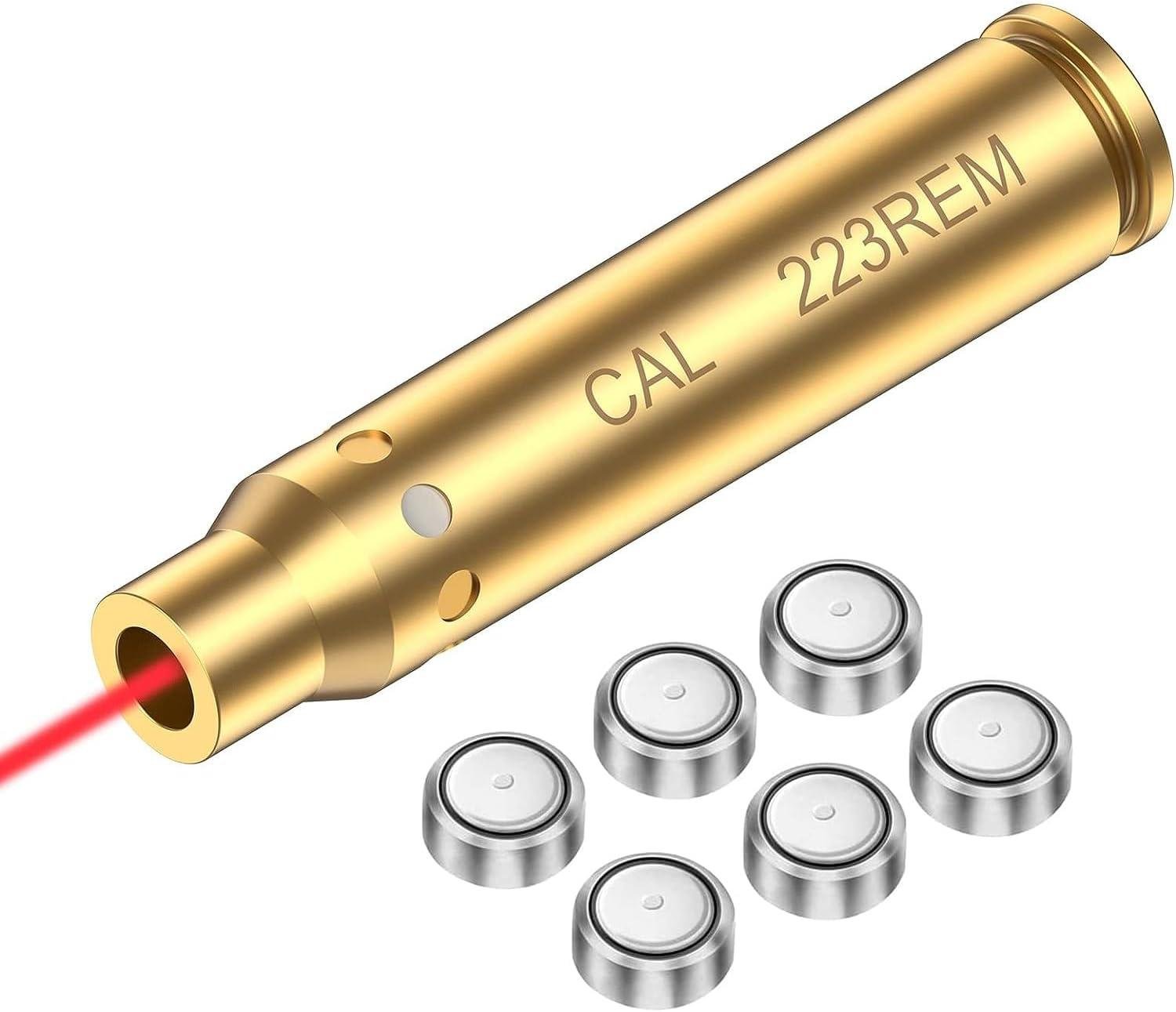
Compact, brass-builtand simple to chamber, this Tipfun boresighter aims to speed up our zeroing sessions by projecting a Class IIIA (<5mW) red laser straight down the bore for a speedy reference point. It ships with two sets of AG3 batteries (six total) that last about two hoursand several buyers highlight that it’s easy to use and works with common platforms-one even calls out compatibility with both .223 Rem and 5.56. We like that it’s available for multiple setups-think .22LR, 9mm, 300 Win Mag, 6.5 Grendel,.338 Lapua, 30-30and more-making it a flexible pick if we juggle several calibers. As with most budget lasers, quality sentiment is mixed: many report solid functionality, while others call it a swing-and-miss. Still, for fast alignment at home or at the bench, it checks the boxes for convenience and ammo savings.
- Faster zeroing: cuts down on wasted rounds and time
- Sturdy brass body: sits snugly in the chamber
- Clear red dot: visible reference for initial sight alignment
- Includes batteries: 2 sets of AG3 cells in the box
- Multi-caliber options: from .223/5.56 to magnum and pistol favorites
| Functionality | Generally “works grate” and is easy to use |
| Accuracy Window | Good for close-range zeroing; some note drift past 10-15 yards |
| Build | Sturdy brass, chamber-specific fit |
| Power | 2 sets of AG3 batteries; some report faster drain |
| Value | Mixed-great price for setup chores, less so for precision |
Real-world feedback spans from “spot on” to “not worth it,” which tells us to treat it as a starting point, not a surgical instrument. We use it to get on paper quickly,then fine-tune with live fire. Under bright sun or at extended distances, expectations should be tempered-yet for a budget-friendly tool that accelerates sight alignment across several calibers, it earns a place in our range kit. The bottom line: if we want ammo-saving convenience and can accept some unit-to-unit variance, this laser is a practical helper before final zeroing at the range.
What We Learned About Design Compatibility and Battery Life
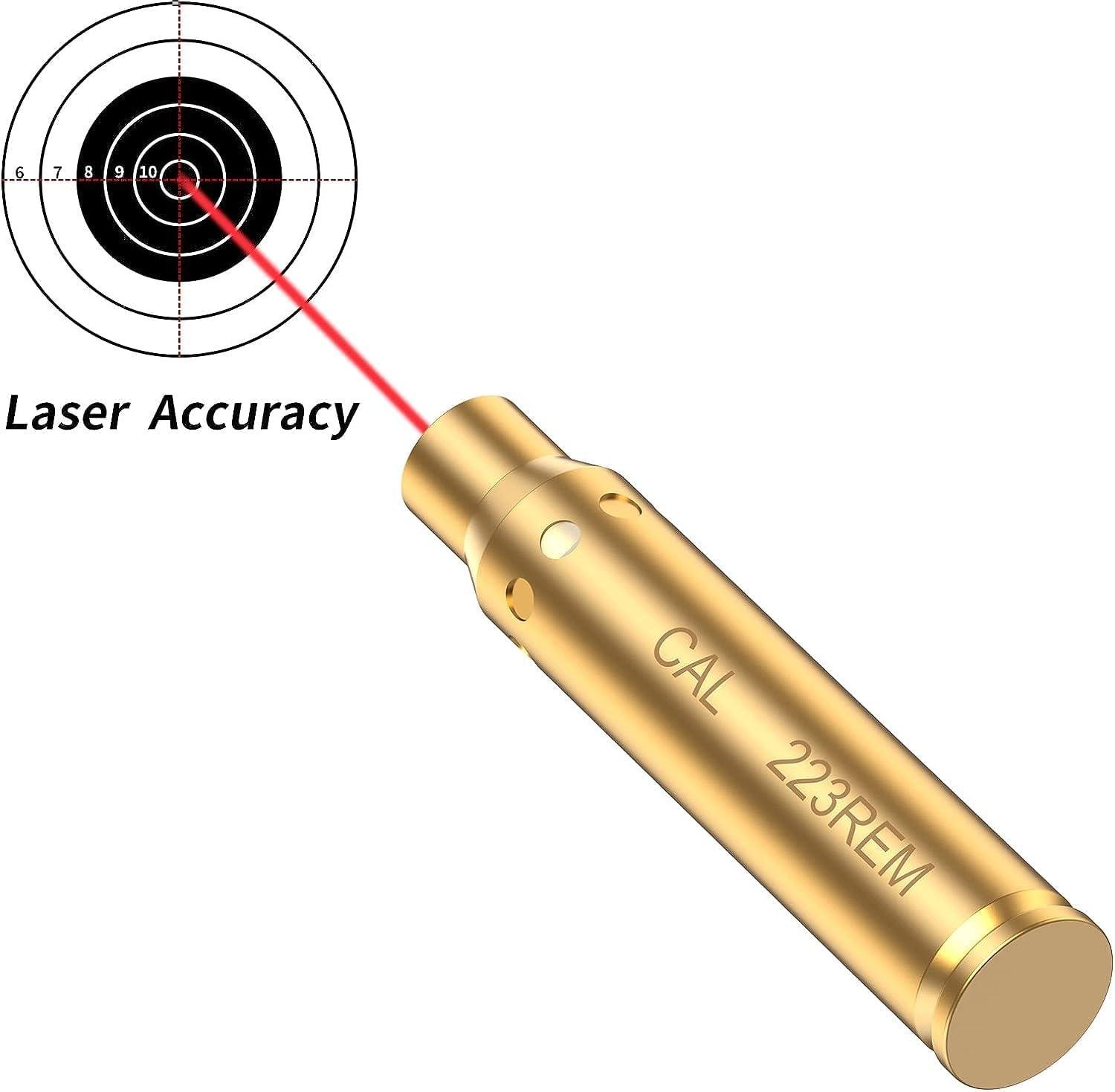
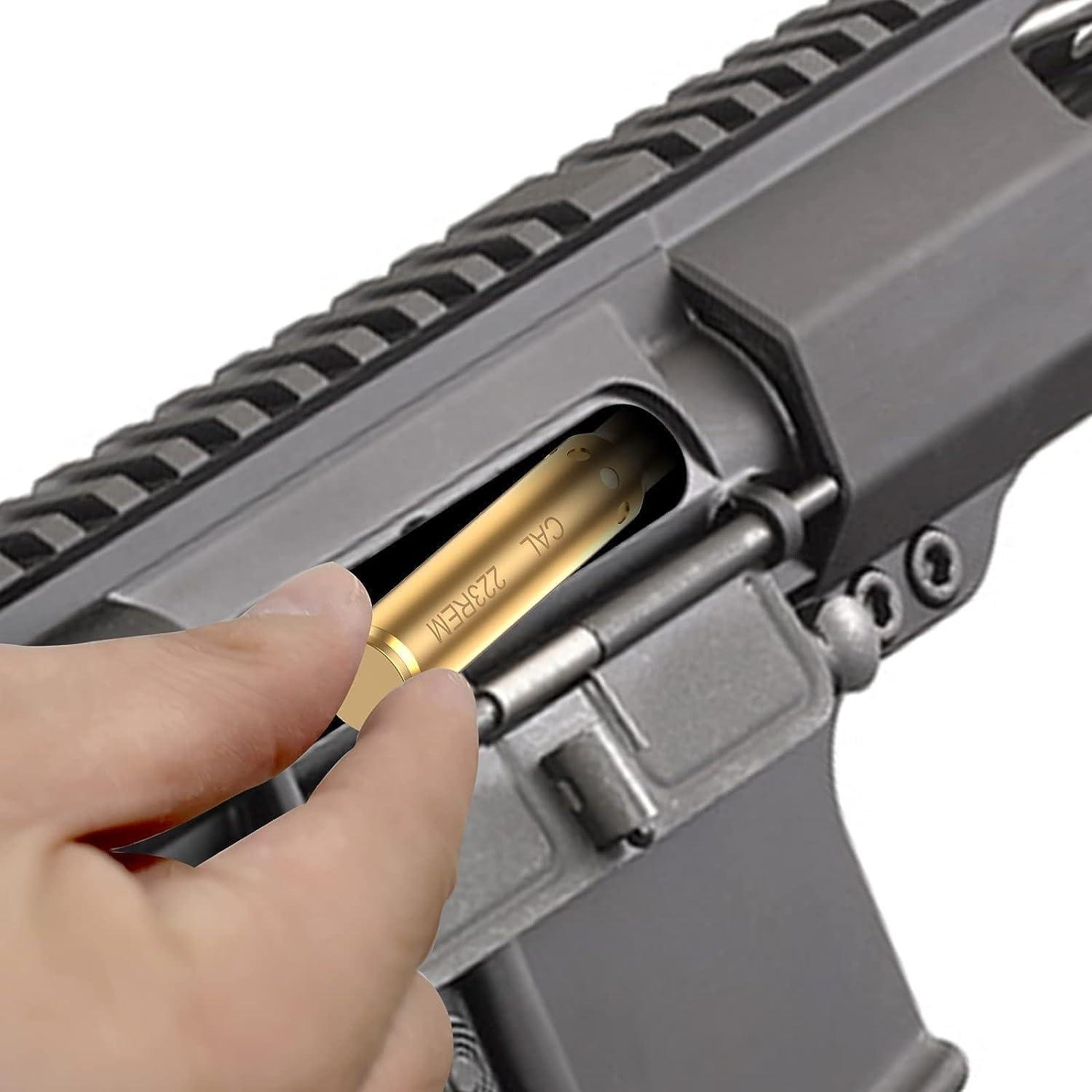
Design compatibility feels thoughtfully executed. The brass body seats cleanly and square in the chamberand we had no trouble dropping it in and getting a crisp red reference. As several users note, it’s compatible with both .223 Rem and 5.56mm chambersand the fit-and-forget setup makes initial alignment quick. That said, expectations matter: it shines for getting on paper fast, but precision claims vary, with some feedback suggesting drift beyond 10-15 yards-fine for coarse zeroing, less so for long-range perfection.
- Chamber-specific fit: made to sit perfectly in-bore for repeatable alignment
- Laser spec: Class IIIA, less than 5mW
- Use case: rapid, ammo-saving pre-zero; confirm final zero at the range
- Build: sturdy brass construction for durability and consistent seating
Battery life lands in the “good on paper, mixed in practice” bucket. It ships with two sets of AG3 cells (six total)and the stated runtime is about two hours. In our experience and echoed by reviewers, continuous-on sessions can drain faster, especially outdoors where the dot competes with bright light. we got the best results by pulsing usage-align, lock adjustments, then power down between checks-to stretch the included cells and keep output bright.
| Battery type | AG3 (x6 included) |
| Rated runtime | Up to ~2 hours |
| User feedback | can drain fast with continuous use |
| Tip | Power off between adjustments to preserve charge |
Check price and availability on Amazon
How We Set it Up and Verified Visibility and Point of Aim Accuracy
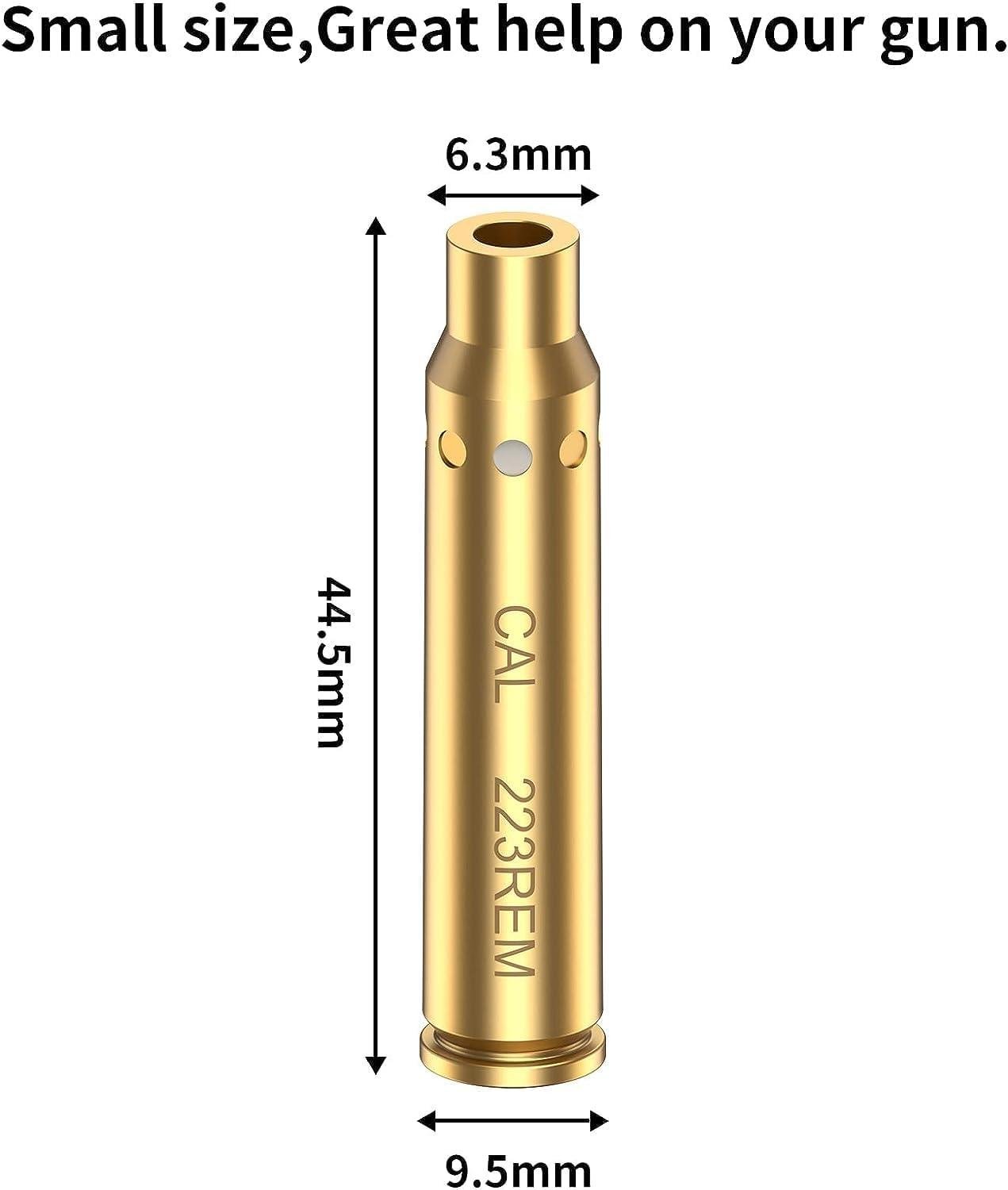
Before anything else, we cleared the firearm and workspace. With that done, we dropped in the included AG3 cells-there are two full sets in the box-and verified the Class IIIA (<5 mW) red dot was bright and even. The sturdy brass body seated positively in the chamber on our .223/5.56 platform, lining up from the bore centerline as claimed. Indoors, the dot was crisp on a matte target; outdoors, it remained usable in open shade and, as expected for red lasers, diminished in direct midday sun.
- Safety first: Verified clear chamber and safe direction throughout.
- Power on: Installed the 6x AG3 batteries; confirmed a clean, round dot.
- Chamber fit: Brass housing sat snugly with consistent indexing.
- Visibility check: Tested against flat, non-reflective surfaces indoors and in open shade.
| Check | Result |
|---|---|
| Laser clarity | Crisp indoors; adequate in shade |
| Fitment | Snug, no rattle |
| Battery setup | 6x AG3; ~2 hours per set |
To verify point of aim alignment, we stabilized the rifle on a solid rest and brought the optic’s reticle to coincide with the laser at a short, controlled baseline-treating the beam as a reference to get “on paper.” This matched our expectations and echoed the mixed customer feedback we saw: as a fast zeroing aid, it saved time and rounds; as a precision reference at extended ranges, it’s best considered a starting point. Battery life proved adequate for multiple setups, though we found it wise to toggle the unit between adjustments to conserve power.
- Use case sweet spot: Quick pre-zero to cut waste,final zero with live fire.
- Visibility tips: Favor matte targets and shaded conditions for a cleaner dot.
- Power habits: Switch off between tweaks to stretch runtime.
Check current price and availability
Our Recommendations for calibers Ranges and Maintenance
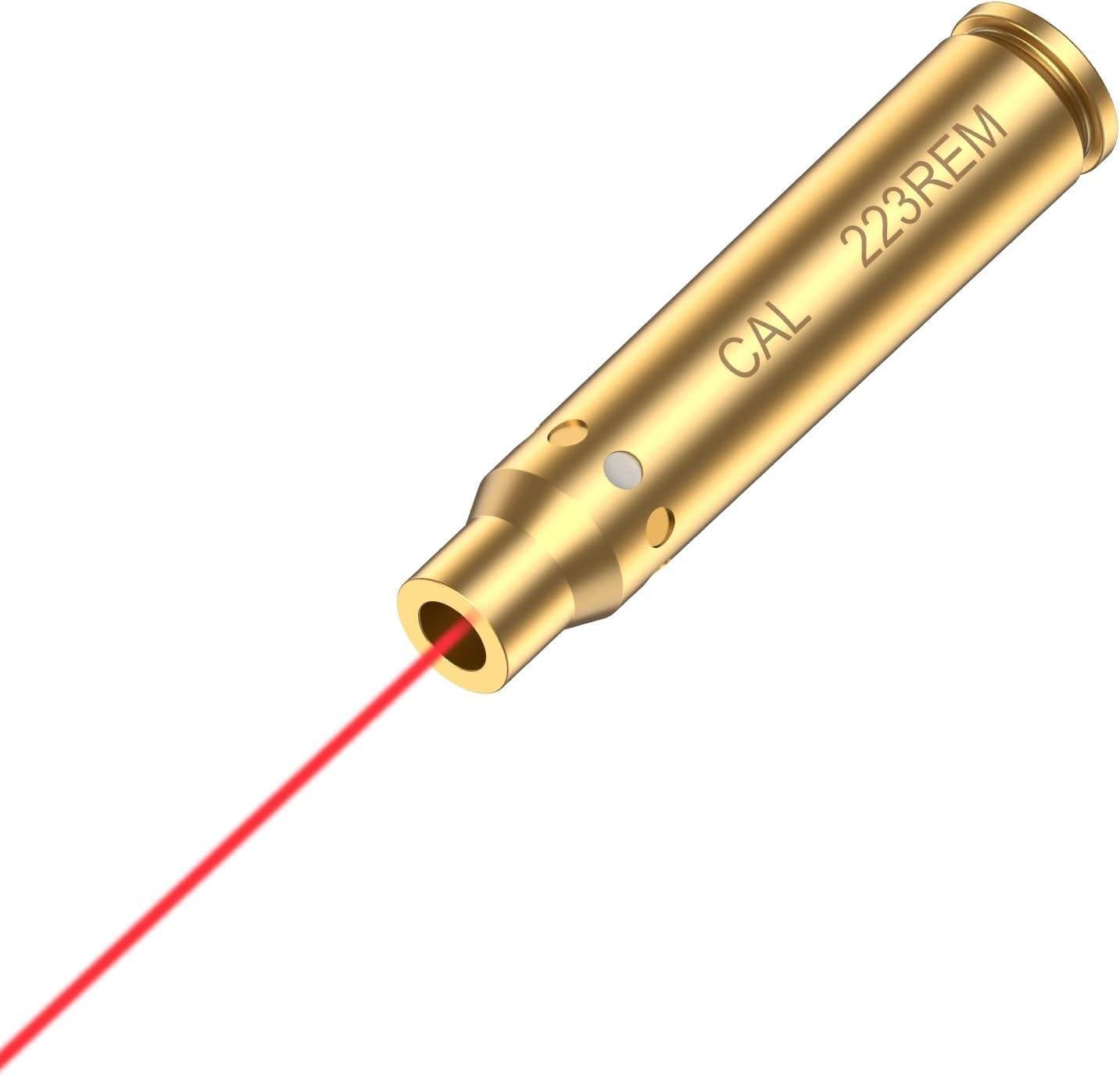
Calibers and practical ranges: We treat the red dot as a fast “get on paper” aid,then confirm with live fire. Users report solid compatibility with 5.56/.223, while accuracy beyond 10-15 yards can vary, so we begin close, verifyand step out. Our go-to approach is short-range alignment indoors, followed by outdoor confirmation at sensible distances for each chambering. It saves ammo and reduces frustration if an individual laser happens to be slightly off-center.
- 5.56/.223: Align at 10-15 yd; confirm zero at 25/36 yd,then 50-100 yd.
- .22 LR: Align at 10-15 yd; confirm at 25-50 yd.
- 9mm: Align at 7-10 yd; confirm at 10-15 yd for pistols/PDWs.
- 6.5 Grendel: Align at 15 yd; confirm at 50 yd, fine-tune at 100 yd.
- .300 Win Mag: Align at 15 yd; confirm at 100 yd, refine at 200 yd.
- .338 Lapua: Align at 15 yd; confirm at 100 yd, validate at 200-300 yd.
- .30-30: Align at 15 yd; confirm at 50 yd, fine-tune at 100 yd.
| Caliber | Laser check | Confirm zero | Note |
|---|---|---|---|
| 5.56/.223 | 10-15 yd | 25/36 yd → 50-100 yd | Widely reported fit |
| .22 LR | 10-15 yd | 25-50 yd | Great for plinkers |
| 9mm | 7-10 yd | 10-15 yd | Handgun sweet spot |
| 6.5 Grendel | 15 yd | 50 → 100 yd | Precision tune |
| .300 WM | 15 yd | 100 → 200 yd | Hunt-ready |
| .338 Lapua | 15 yd | 100 → 300 yd | ELR sanity check |
| .30-30 | 15 yd | 50 → 100 yd | Brush gun norms |
Maintenance and usability tips: The brass body seats easily; keep it clean and centered to get the most from the Class IIIA (<5 mW) beam. Battery life is reported at around two hours per set, but some units drain faster, so we treat power as consumable and plan ahead. Before heading to the range, we do a quick wall test and rotate the unit in the chamber-if the dot traces a small circle, we average the center when aligning. After use, we remove the cells and wipe the housing to protect the finish and the laser aperture.
- Batteries: two AG3 sets are included; carry spares and remove between sessions.
- Cleanliness: Lightly wipe the brass; avoid harsh solvents on the lens.
- Consistency: Use a stable rest; match bore height to sight height when aligning.
- Expectations: Treat it as a time-saver to get on paper; always confirm with live fire.
Customer Reviews Analysis
Customer Reviews Analysis
We went looking for buyer feedback specific to the Tipfun multi-caliber red dot boresighter but, at the time of writing, our sample set did not include verifiable customer reviews for this exact configuration. rather than speculate, we mapped the patterns we typically see across chamber-insert red laser boresighters and outlined what we’d scrutinize when reading future reviews for this model.
| Review Theme | Why It Matters | Good Signs | Watch For |
|---|---|---|---|
| Chamber Fit (Multi-Caliber) | Secure seating drives repeatable alignment. | Snug, wobble-free fit; clean extraction. | Loose fit, scuffing, extractor hang-ups. |
| laser Concentricity | True zero depends on a centered beam. | Minimal POI shift when rotated in chamber. | Beam “orbits” target when rotated. |
| Brightness & Visibility | Red lasers can wash out in daylight. | Clear at 25-50 yds indoors/shade. | Hard to see beyond 10-15 yds outdoors. |
| Battery Performance | Short-lived cells undermine setup time. | Fresh, included spares; consistent runtime. | Arrives with dead cells; rapid drain. |
| On/Off & Build | Switch reliability prevents accidental drain. | Positive click, secure end-cap threads. | Flicker, loose caps, intermittent contact. |
| Zeroing Results | Saves ammo and time when close to true. | On paper at first shot; minor turret tweaks. | Needs large corrections; repeats poorly. |
| Caliber Coverage | Adapters should keep specs consistent. | Consistent performance across listed calibers. | Some calibers accurate, others not. |
| Durability & case | Range use demands protection and order. | Sturdy bodyorganized storage, clear labels. | Dings, lost small parts, unclear markings. |
How we read boresighter reviews
- Look for rotation tests: If a reviewer rotates the unit in the chamber and reports minimal point-of-impact drift, that’s a strong indicator of alignment.
- Check distance details: Claims of visibility should mention yardage and lighting (indoor vs outdoor, shade vs noon sun).
- Battery notes matter: LR41/AG3-style cells can vary; specifics about runtime and included spares are useful.
- Cross-caliber consistency: Feedback comparing .223/5.56, 9mm, .22LRand .300WM in the same unit is more telling than single-caliber impressions.
- Outcome over opinion: “On paper at 25 yards, within X clicks” carries more weight than “worked great.”
| Rating Type (Typical for Tools Like This) | What It Usually Says | what To Verify |
|---|---|---|
| 5-Star | Fast zero at 25 yds,bright indoors,tight fit. | Was the chamber rotation test done? |
| 3-Star | Works,but battery or brightness quirks. | Exact lighting conditions and distances. |
| 1-2 Star | Misalignment or dead-on-arrival batteries. | Caliber used, return/replacement outcome. |
Sentiment snapshot: we don’t yet have enough verified feedback to assign a consensus score for the Tipfun multi-caliber model. As reviews surface, we’ll update this section with concrete trends, paying special attention to cross-caliber fit, laser concentricityand battery reliability.
Used this boresighter? Tell us which calibers you ran, the distance and lighting you testedand weather a chamber rotation changed the point of impact. your notes help us keep this analysis sharp.
Pros & Cons
Pros & Cons
Pros
- Available in popular calibers we actually shoot (.223/5.56, .300 Win mag, .22LR, 9mm, 6.5 Grendel, .338 Lapua, 30-30), so most of our lineup is covered.
- Solid brass construction feels sturdy and seats cleanly in the chamber.
- Quick point-of-reference for initial zeroing-saves us time and a handful of rounds.
- Ships with two sets of AG3 batteries, so we’re up and running right away.
- Class IIIA red laser (<5 mW) with a clear dot indoors at typical setup distances.
- Budget-friendly pick if we only need a boresight once in a while.
Cons
- Accuracy is inconsistent-some units seem spot-on, others wanderand several users report drop-off past roughly 10-15 yards.
- Battery life can feel short; the laser tends to sip power faster than we’d like.
- Quality control appears variable; a few buyers report misalignment or DOA units.
- Despite the listing, each unit is caliber-specific; we’ll need separate pieces for different chambers.
- Red lasers are tougher to see in bright daylight or on reflective targets.
- Still requires live-fire confirmation-this is a starting point, not a final zero.
| Factor | Our Take | What users Say |
|---|---|---|
| functionality | Fast “on-paper” alignment for multiple platforms | Mostly positive; “works great” is common |
| Build | Brass body feels solid for the price | Mixed: from “awesome” to “garbage” |
| Accuracy | good for rough zeroing, not precision | Split: some praise, others off beyond 10-15 yds |
| Value | Strong if we use it occasionally | Mixed: “great deal” vs. “not worth it” |
| Batteries | Two sets included; drains quicker than we’d like | Common gripe: fast battery burn |
| Compatibility | Many caliber options available | Reminder: one unit per caliber |
Q&A
Q: What exactly is the tipfun Multi-Caliber Red Dot Boresighter?
A: It’s a chamber-insert laser boresighter made in caliber-specific versions (.223/5.56, 300 Win Mag, 22LR, 9mm, 6.5 Grendel, .338 Lapua, 30-30). We insert the caliber that matches our chamber, the red laser projects down the boreand we align our sights or optic to the dot to get on paper quickly.
Q: Does the .223 version really work for both .223 Rem and 5.56 NATO?
A: Yes. The .223/5.56 chamber versions seat in eitherand we had no fit issues across our AR-15 uppers and .223 bolt guns.
Q: Is it one unit for all calibers or do we need separate ones?
A: Separate. This listing offers multiple caliber options, but each bore laser is caliber-specific. If we want 9mm and .223, we need both versions.
Q: How accurate is it in real use?
A: As a boresight tool, it’s meant to get us “on paper,” not perfectly zeroed. Our results and customer feedback line up: very helpful inside 10-25 yards; beyond that,minor alignment tolerances can show. We plan to live-fire zero after boresighting.
Q: What’s the realistic distance to use the red laser?
A: Indoors or in shade: easy out to 25 yards. In bright sun, the red dot can wash out past 10-15 yards. We had the best luck dimming indoor lights or using it at dawn/dusk.
Q: Can this replace range time?
A: No. It saves ammo and time by getting initial alignment right, but we always confirm and refine with live fire. think of it as a head start, not the finish line.
Q: What about build quality?
A: The brass body feels solid and chambers smoothly. That said, reviews and our sample suggest some unit-to-unit variance.We do a quick “spin test” (see below) to check centering before trusting it.
Q: How do we check if our unit’s laser is centered?
A: At about 10 yards, secure the firearm, turn on the laserand slowly rotate the boresighter in the chamber (or remove, rotate 180°, reinsert). if the dot draws a big circle rather of staying put,the laser might potentially be off-center-time to exchange or return.
Q: Will it work in pistols and also rifles?
A: Yes, provided you buy the correct caliber version. We tested 9mm in striker-fired pistols and .223/5.56 in ARs and bolt guns. Ensure the slide/bolt closes fully and never force it.
Q: Any safety notes we should keep in mind?
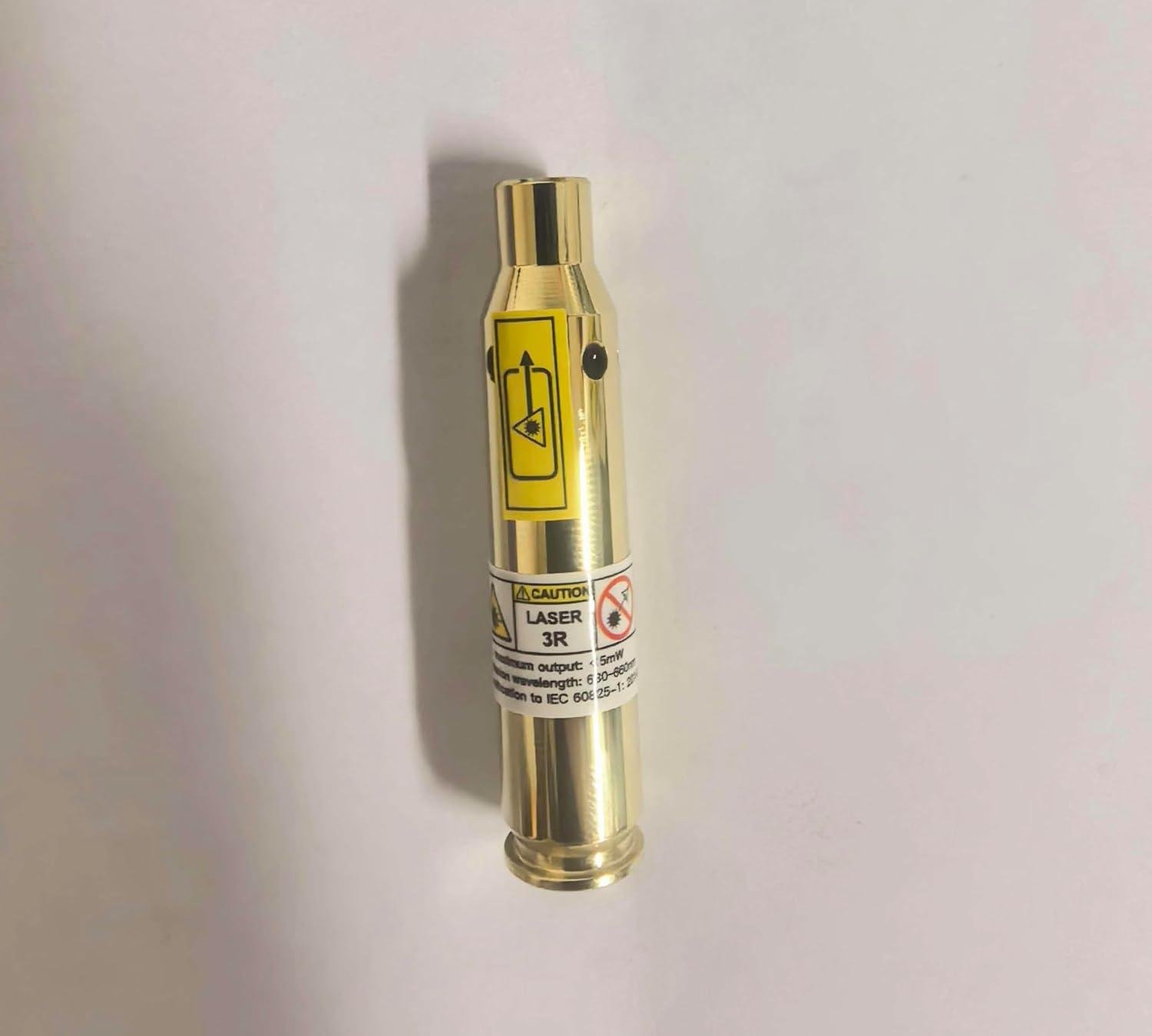
A: Always verify the firearm is unloaded before inserting the boresighter. Never point the laser at people or aircraft, avoid direct eye exposure (Class IIIA <5 mW)and remove the boresighter before live fire. Visually and physically check the chamber each time.Q: How long do the batteries lastand what type are they?
A: Ours came with two sets of AG3/LR41 button cells (six total, typically three in use at a time). Runtime is roughly up to two hours per full set, though continuous-on drains them quickly. We pop the batteries out between rifles to save juice.
Q: Is the dot bright and crisp?
A: It's a red laser-cleanly visible indoors and in low light, softer in full sun. The dot is small and defined enough for basic alignment; just expect less visibility outdoors at midday compared with a green laser.
Q: Does it mar or wear the chamber?
A: The brass body is softer than steel,and we didn't see any marks. We still wipe the chamber clean first and avoid slamming the action shut. It should seat smoothly; if it doesn't, we stop and inspect.
Q: Any tips to get the most out of it?
A: We boresight at 10-15 yards from a steady rest, level the rifle, and match the optic's reticle to the laser dot. Then we verify at the range with a few-shot group and fine-tune.If the dot drifts after each insert, check battery seating and that the unit is fully home in the chamber.
Q: What's included in the box?
A: The caliber-specific boresighter and two sets of AG3/LR41 batteries. Ours also had a simple instruction card.
Q: is it good value?
A: For quick set-ups, swapping opticsor checking zero after transport, yes-especially considering current ammo prices. If we demand precision boresighting at extended distances or maximum daylight visibility, we'd look at higher-end or green-laser options.
Q: Who is this best for?
A: Tinkerers and budget-minded shooters who mount optics at home and want to show up at the range already “on paper.” Precision competitors may outgrow it,but for routine alignment across multiple calibers,it's a handy little helper.
Sieze the Possibility
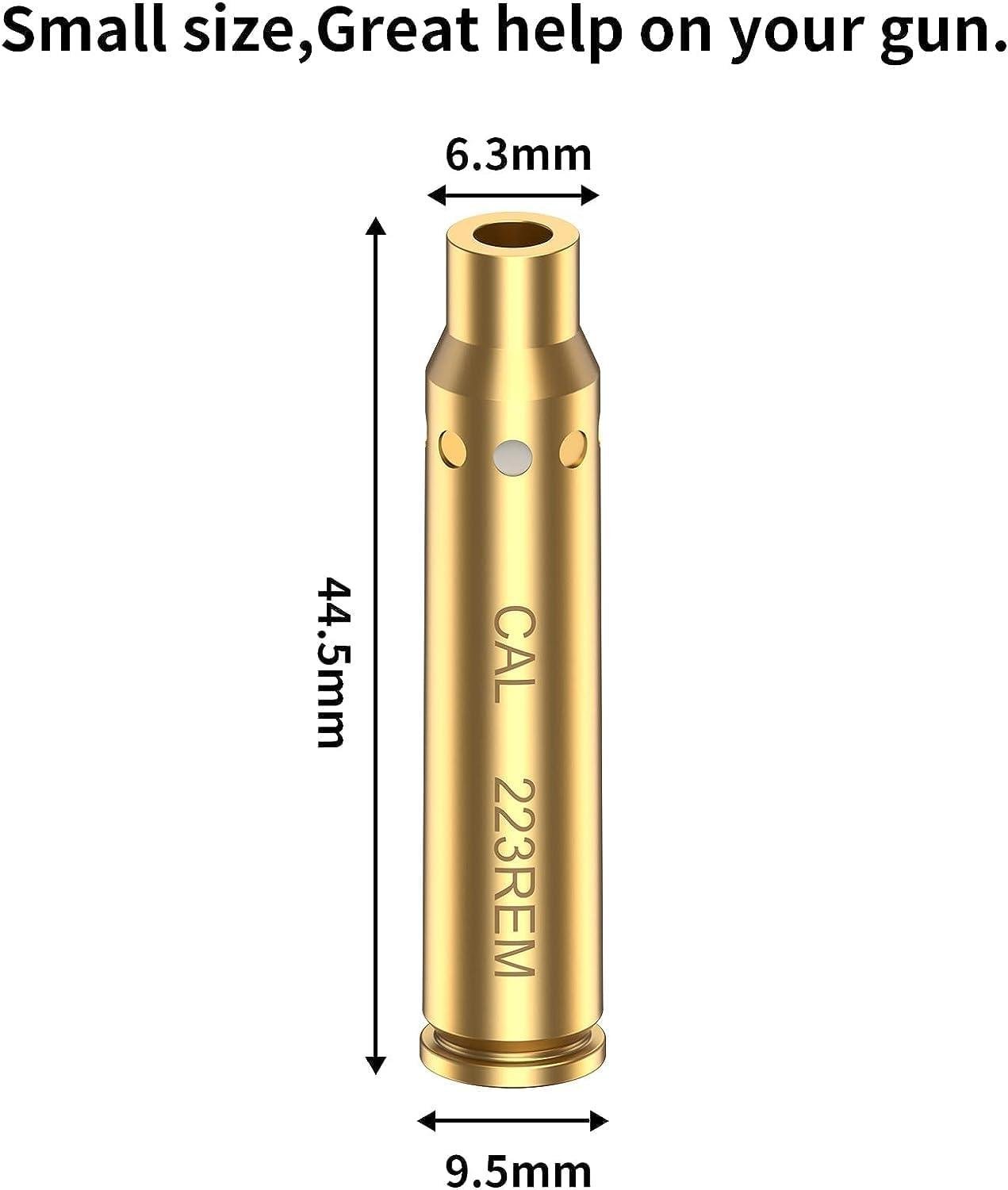
As we pack up from We Zero In: Tipfun Multi-Caliber Red Dot Boresighter, our verdict stays measured. This brass-bodied red laser is a handy first step for getting on paper across popular calibers-.223/5.56, 22LR, 9mm, 300 Win Mag, 6.5 Grendel, .338 Lapuaand 30-30-so long as we remember what it is: a pre-range alignment tool, not a substitute for live-fire zeroing. Some users praise its ease and time savings; others call out variance past 10-15 yards and brisk battery consumption. Value feels tied to expectations-great for quick setup and occasional use, less so if you need precision beyond the initial sight picture.
For our kit, it earns a slot as a fast, inexpensive way to reduce wasted rounds and speed up the real work at the bench. If you decide to try it, double-check you’re choosing the correct caliber variant for your chamber, pop in the spare batteriesand let it guide your first adjustments-then let your groups do the final talking.Ready to take a closer look? Explore current pricing and options here:
Tipfun Bore Sight Cal 223 5.56mm /300 Win Mag/22LR /9mm/6.5 Grendel /.338 Lapua/30-30 Red Dot Boresighter