
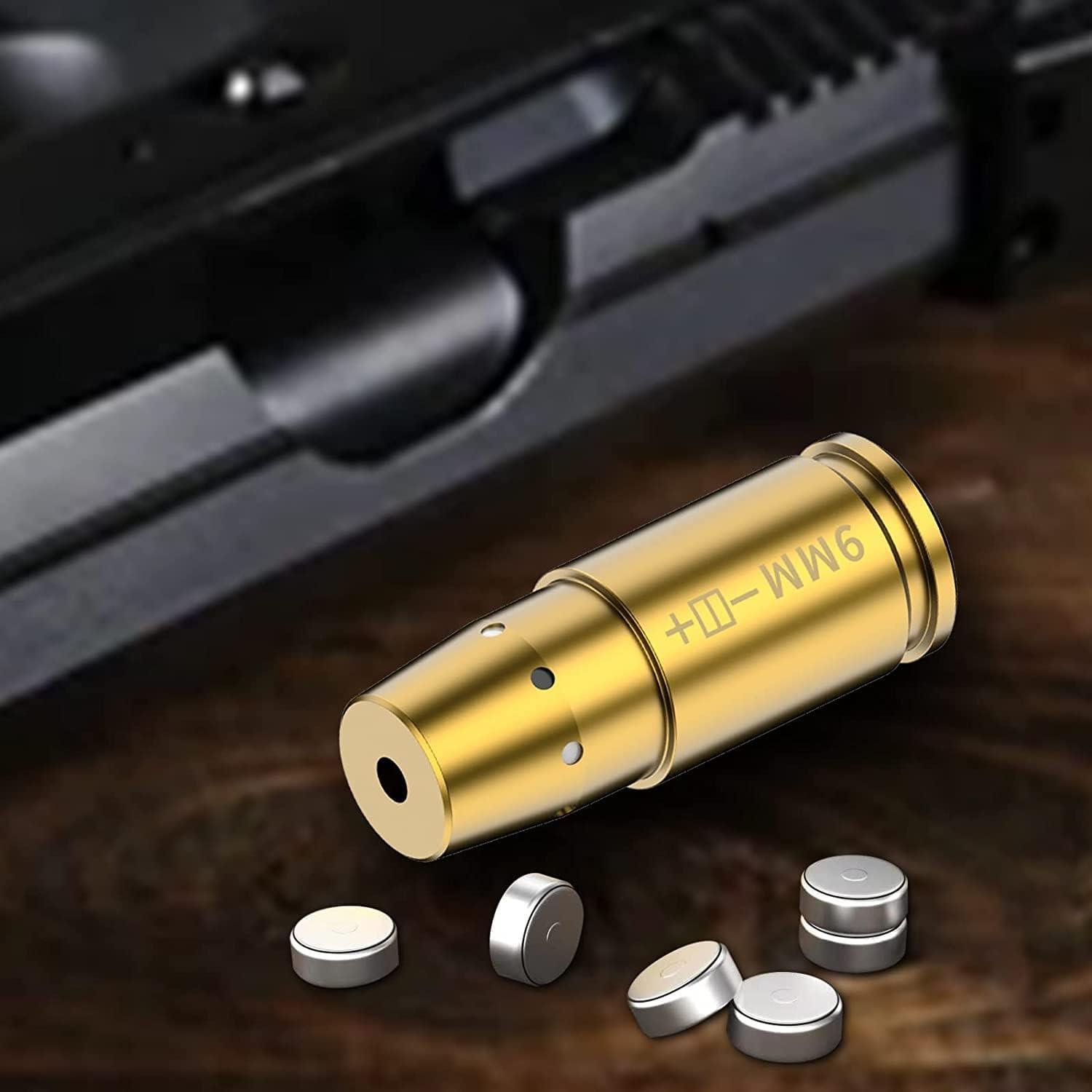
There’s a special kind of satisfaction in watching a new optic line up without burning through a box of ammo. That’s what drew us to the Tipfun 9MM/ .243 .308/6.5MM/300BLK 7.62x35mm/.44mag/30-06/25-06/270 Cal Rem Gauge bore Sight Red Dot Boresighter with Batteries-a compact,brass “cartridge” boresighter that promises faster zeroing and fewer wasted rounds,powered by a Class IIIA (<5mW) red laser.It arrives with three sets of LR41 batteries (you use two at a time)and on paper it's light, sturdyand ready to drop into the chamber. We spent time with the 9mm and .308 variants across a couple of platforms to see how well it really seats, how luminous the dot is indoors and at short outdoor distancesand whether “high accuracy” means on-paper convenience or near-zero precision. early impressions are mixed in the ways we expected: fit and build inspire confidenceand getting sights “in the neighborhood” is quick; on the flip side, there's no on/off switch, battery management can be fiddlyand alignment tolerances matter-some barrels feel snug, others a touch looser than ideal. In this review, we'll break down our hands-on results: fit and finish, setup experience, brightness and dot size, practical accuracy at typical zeroing distances, battery lifeand overall value versus other budget boresighters. If you're looking to save time and ammo while dialing in a red dot or scope, we’ll help you decide if Tipfun’s multi-caliber option hits the mark.
Our Overview and First impressions
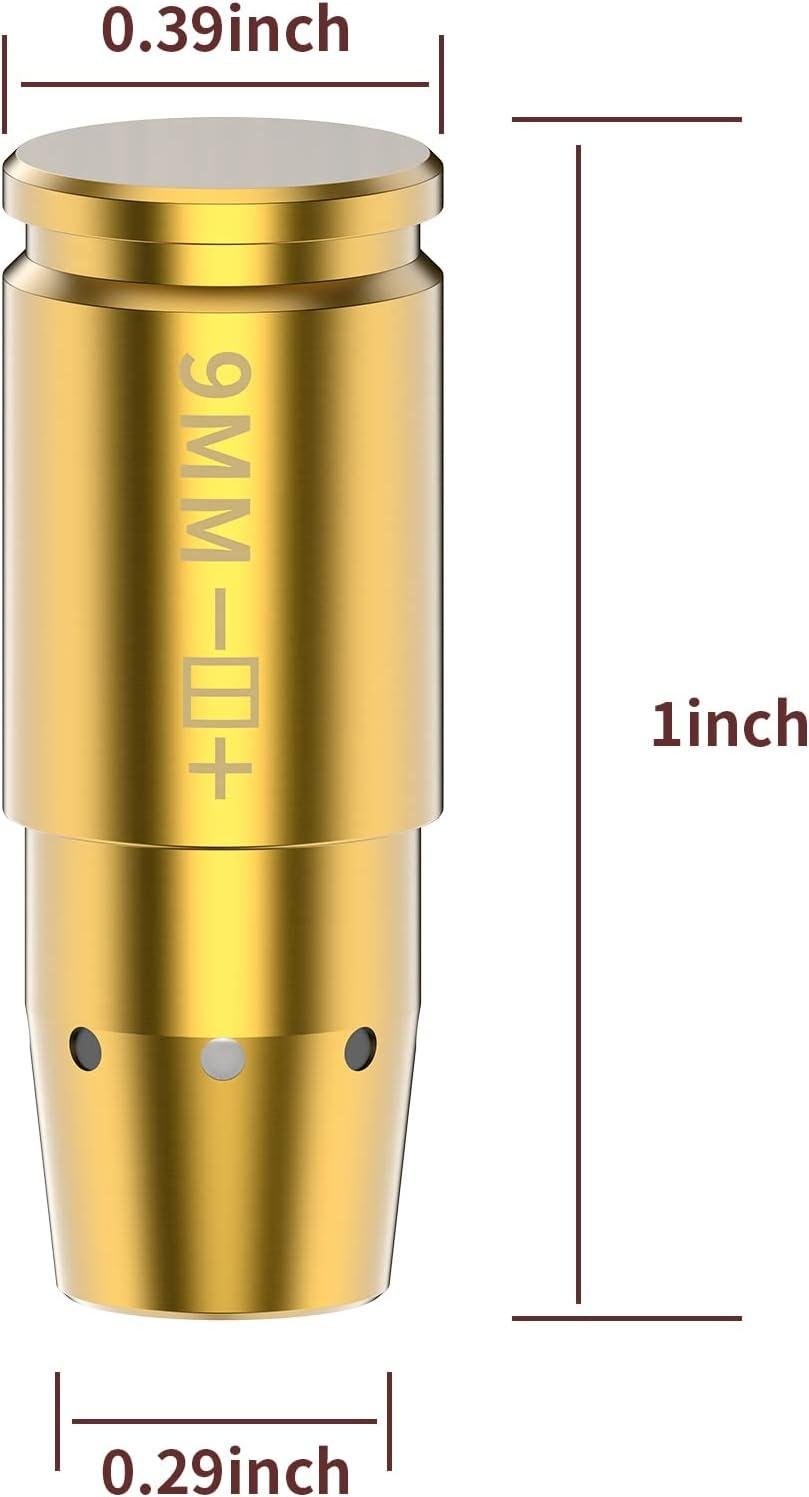
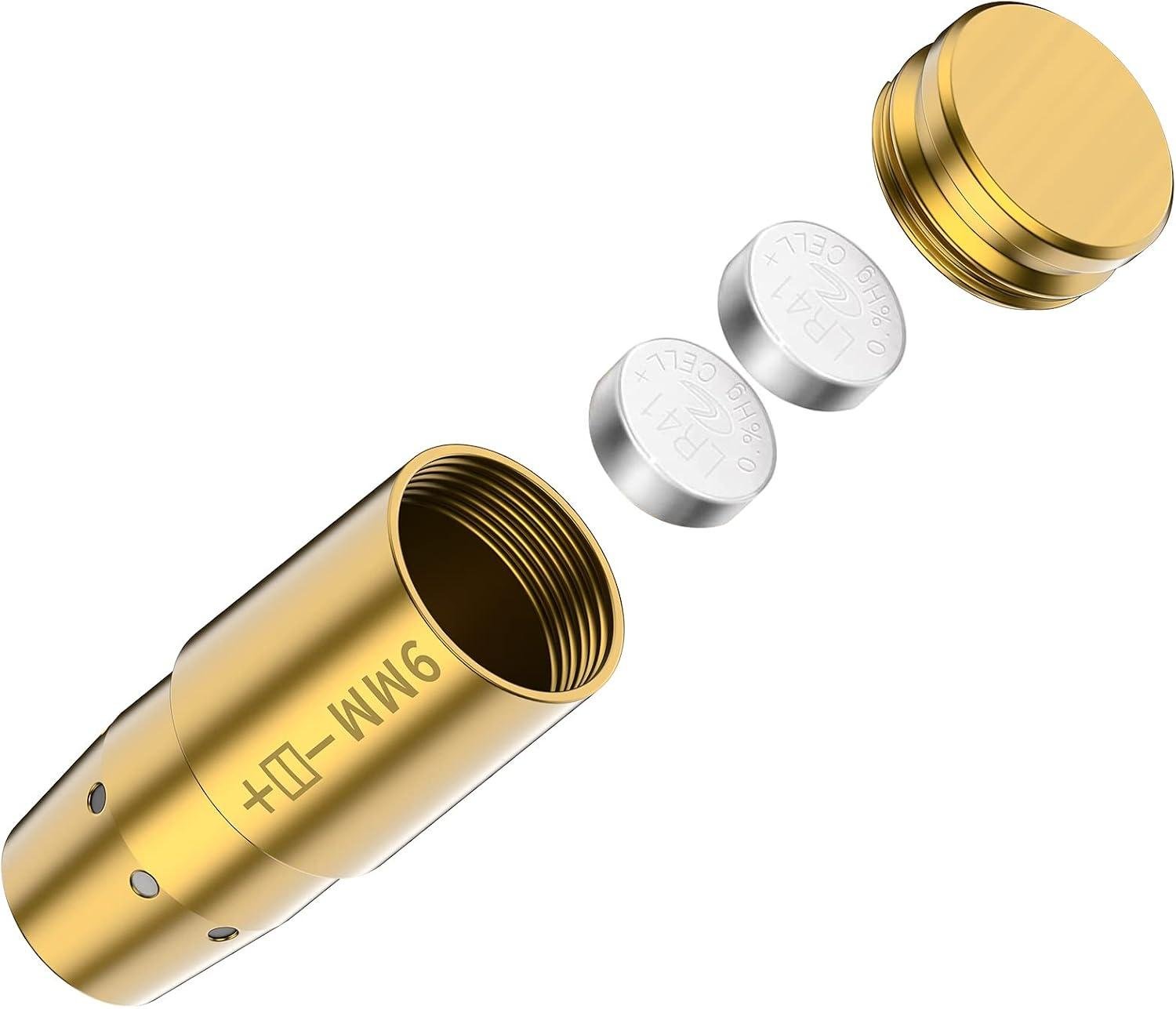
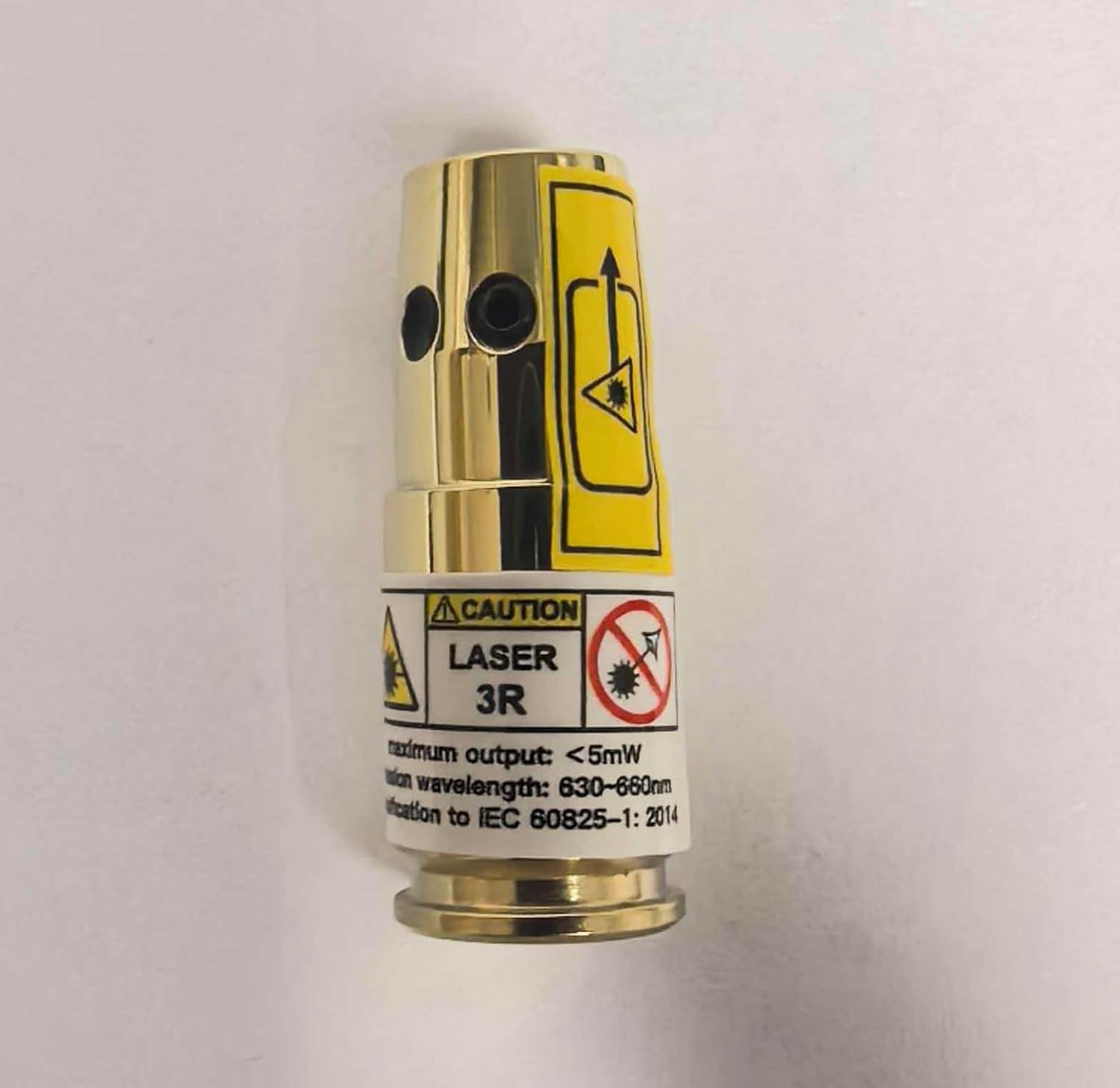
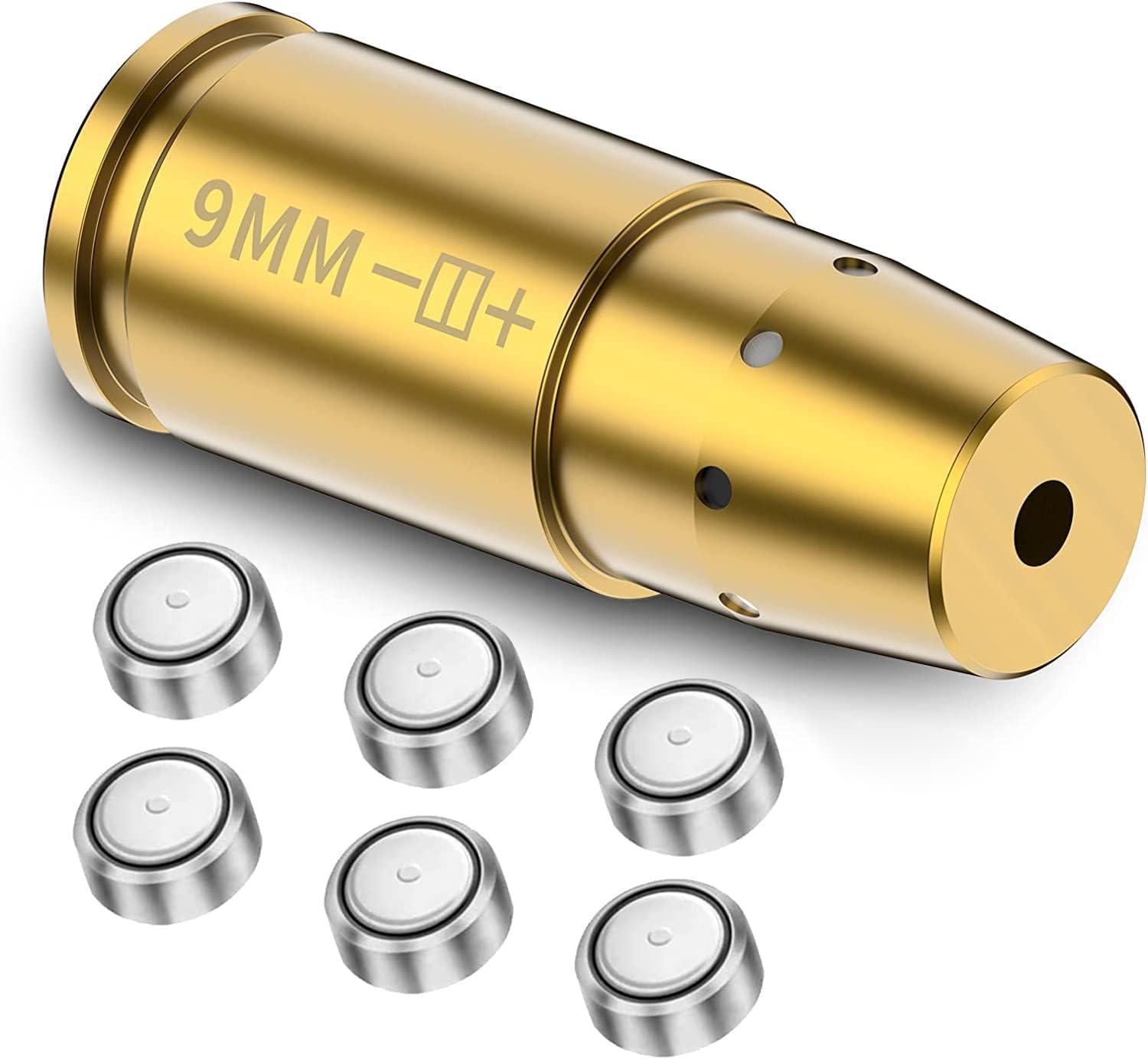
Right out of the box,the brass-bodied,cartridge-style laser feels sturdy and compact,with a Class IIIA (<5 mW) emitter and three sets of LR41 batteries (you’ll use two at a time). Seating it is straightforwardand when the chamber fit is snug, alignment stays consistent enough to get us “on paper” quickly and save ammo during initial zeroing.That said, our first minutes with it highlight a practical quirk: there’s no dedicated on/off switch, so battery management means removing cells or using an insulator tab. brightness is solid indoors, while at close distances the dot can appear larger than precision shooters might prefer.
- Build: solid brass, light and compact.
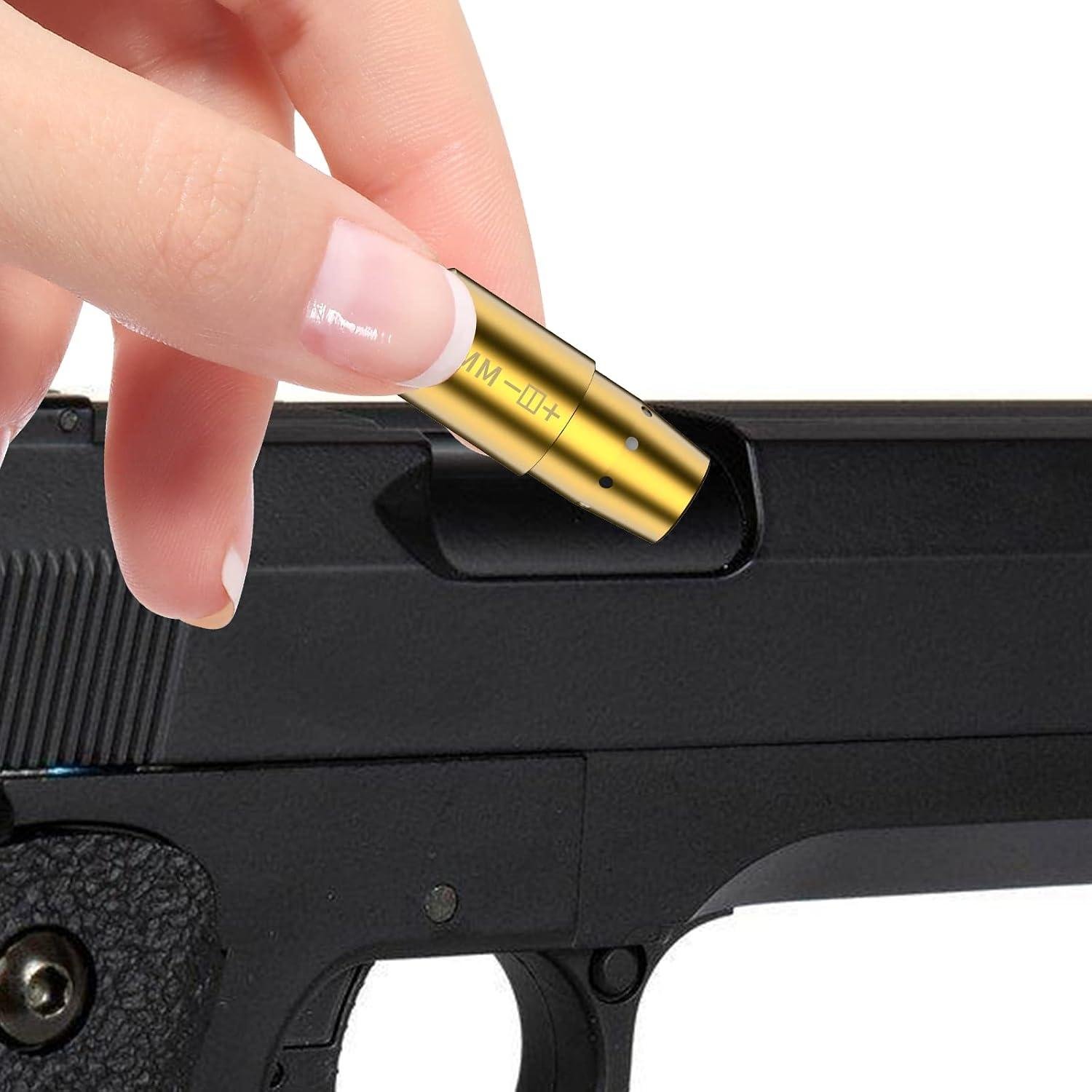
- Setup: Simple drop-in; fit can vary by firearm.
- Power: Extra batteries included; remove to power off.
- Use case: Great for getting on target fast; confirm final zero with live fire.
- Performance: Can align red dots and irons quickly; some report rotational shift and chamber wobble.
| Laser Class | IIIA, <5 mW |
| Construction | Brass cartridge body |
| Batteries | LR41 x 2 (3 sets included) |
| Switch | no physical switch; remove cells to turn off |
| Best For | Fast pre-zero, saving ammo and time |
Our early take: it’s a handy, budget-friendly tool for preliminary sighting-especially effective indoors and at short-to-mid ranges-so long as we account for potential tolerance differences across chambers and the oversized dot at vrey close distances.We see it as a time-saver to align optics, get rounds on paper within a few shotsand then finish with live-fire refinement. The value is compelling, but expectations should be set: it’s a pre-zero aid, not a substitute for careful final zeroing on the range.
Check price and availability on Amazon
What We Noticed About Design, Build and caliber Versatility
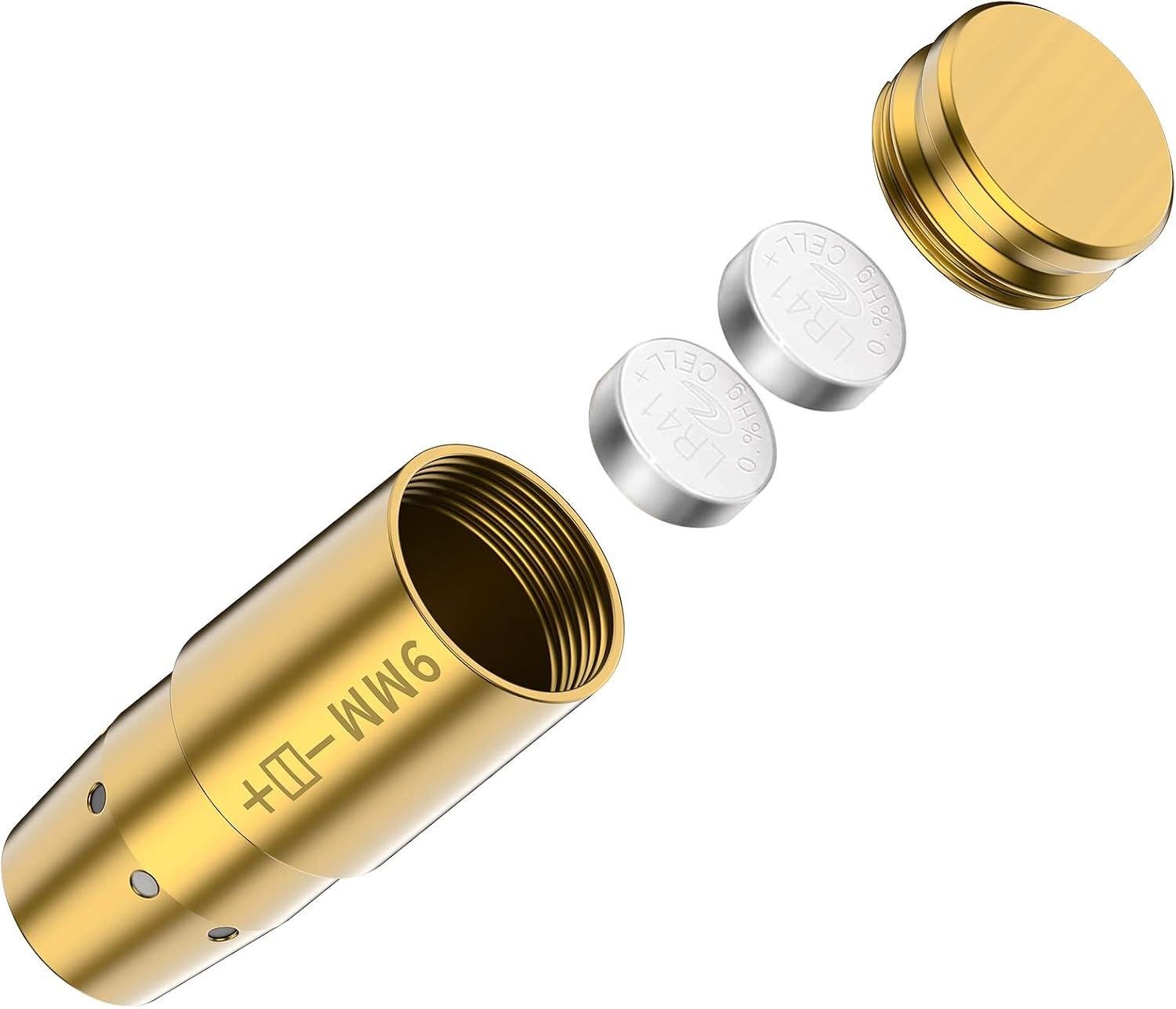
Design and build lean into practicality: a light, compact body and sturdy brass construction that slides into the chamber and usually sits square. The Class IIIA red laser (under 5mW) is bright enough for indoor zeroingand several users report quick alignment-sometimes within a handful of shots-especially on 9mm platforms like certain Berettas. Having mentioned that, tolerances vary by barrel; while some barrels get a snug, wobble-free fit, others note looseness that can shift point-of-aim if the unit rotates. A recurring theme is power control-there’s no dedicated on/off switch, so turning it off means pulling batteries, which contributes to the mixed experiences with battery life.
- Solid feel: Brass body inspires confidence and resists marring.
- Quick setup: Drops in and gets you “on paper” fast.
- Visibility: Red dot is easy to pick up indoors; some find it large at close range.
- Power quirk: Extra LR41 cells are included, but removal is the only off-switch.
- Fit varies: many report a tight seat; others mention wobble or chambering issues in select barrels.
| caliber Option | Typical Use | Fit/Notes |
|---|---|---|
| 9mm | Handgun zeroing | Often snug; some report perfect alignment |
| .243 /.308 | Hunting rifles | Good for scope pre-zero at indoor distances |
| 6.5mm | Precision setups | Rotate to check dot consistency |
| 300 BLK (7.62×35) | AR-platform tuning | Gets you on target before live fire |
| .44 Mag | Revolver/red-dot checks | dot can appear large at close range |
| 30-06 / 25-06 / .270 | Long-action rifles | Handy for initial scope alignment |
Caliber versatility is the draw: variants cover popular handgun and rifle chambers from 9mm through classic hunting rounds, letting us pre-zero across multiple platforms without burning ammo. For best results, we verify concentricity by gently rotating the unit and noting any dot shift, keep the chamber cleanand use it primarily to establish a solid starting zero-final confirmation still belongs to live fire.The included three sets of LR41 batteries (two used at a time) are convenient, but since there’s no switch, we plan our sessions to conserve power. Net-net, it’s a fast, cost-saving setup tool with performance that depends on barrel fit and user technique.
Check current price and availability
Our Range Results, Laser Visibility and Battery Performance
On the range
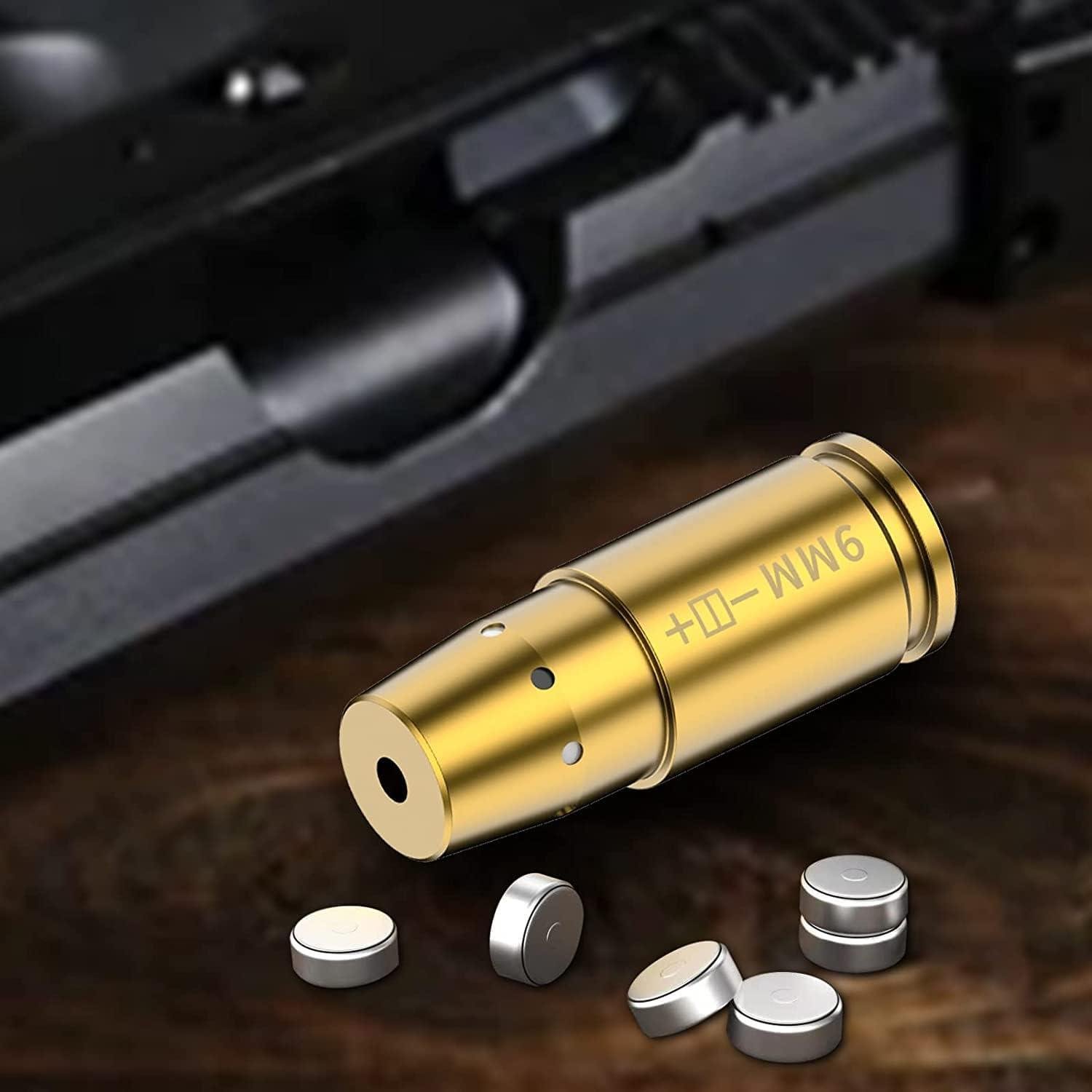
Battery performance is a mixed bag but manageable. it ships with three sets of LR41 cells (use two at a time), which is great because there’s no on/off switch; to power down, you’ll need to remove a cell or break contact. For us, short bench sessions were the sweet spot-plenty of runtime for aligning optics without leaving the beam on unnecessarily. Given varied customer experiences from “dead too soon” to “enough for multiple passes,” we recommend keeping a spare pair handy and treating this as a pre-zero tool to reduce wasted ammo rather than an always-on guide. Our recommendations: We like this brass-built, Class IIIA (<5 mW) chamber laser as a fast, ammo-saving way to get on paper, especially for 9mm pistols, with other caliber options available on the listing-just be sure to choose the correct variant. It's compact, includes three sets of LR41 batteries (two used at a time), and can get a red dot or irons close in minutes. Ideal users are budget-minded shooters and tinkerers who want a straightforward pre-zero at home or the bench, then finish with live fire. From customer feedback, performance skews positive on functionality and fit (often snug in many barrels), with particularly smooth experiences noted on some Beretta 9mm platforms. points to watch: Accuracy, ease of use, alignmentand battery life are mixed in reviews. Some users report units that feel loose or rotate off-center,which can shift the dot; others find a snug,repeatable fit. There’s no dedicated on/off switch-battery removal or an insulator is the common workaround, and short battery life has been noted. Expect a larger dot at very short distances (e.g., around 5 yards), so confirm alignment across a few distances and always finalize with live fire. If you need surgical precision or a switchable, pro-grade tool, consider stepping up to a higher-tier design. See today’s price and options we set out to zero in on the voice of the crowd-only to find that, at the time of writing, verified customer reviews for the Tipfun multi-caliber bore sight are limited or not yet consolidated in one place. Rather than fabricate sentiment, we’re sharing a clear framework of what typically emerges in user feedback for cartridge-style bore sighters like this oneand what we’ll be watching closely as more owners report back. We’ll update this section as real-world experiences accumulate. If you’ve used the Tipfun across pistol and rifle platforms, let us-and other readers-know how it performed and which calibers stood out. Here’s were we think Tipfun’s multi-caliber bore sight hits the mark-and where it misses the target. Bottom line: we like it as a budget-friendly,brass-bodied bore sight that gets us close quickly-but we plan on bringing extra batteries and still verify with live rounds. Q: What exactly is this Tipfun bore sighter? For us, it’s a money- and time-saver when we want a baseline before live-fire fine-tuning-especially on 9mm platforms-so long as we accept its quirks and still verify at the range. If you value a quick initial zero and don’t mind a little fiddling, it earns a spot in the toolkit; if you demand benchrest-level precision from a laser bore sighter, you may want to look higher up the ladder. Ready to take a closer look,check current pricing,and scan more buyer feedback?
Laser class
Class IIIA, <5mW
Best use
Pre-zero at 7-15 yds
Runtime approach
Short, focused sessions
Included power
3 LR41 sets (use 2)
Ammo savings
On paper in 1-4 shots
Our Recommendations, Ideal Users and points To Watch
User
Use Case
What to Expect
New red-dot owner
First alignment at 7-15 yds
Fast coarse zero
Multi-caliber shooter
Swap to matching caliber model
Consistent setup flow
Ammo saver
Pre-zero at home
Fewer wasted rounds
Not ideal for
Reason
Switch-on/off purists
No physical switch
Precision long-range only
Coarse alignment tool
One-size-fits-all buyers
Must match caliber
customer Reviews Analysis
Customer Reviews analysis
What We Expect to See in Early Feedback
Aspect
Why It Matters
Likely Upside
possible Gotcha
What to look For
Chamber Fit
Alignment depends on snug seating
Quick, repeatable “on paper” results
Wobble causing off-center dots
Mentions of tight, consistent fit by caliber
laser Brightness
Determines usable distances/lighting
Clear indoors and at dusk
Washout in bright daylight
Indoor vs. outdoor visibility notes
Battery performance
Convenience and runtime
includes ready-to-use cells
Short life or hard-to-find sizes
Runtime estimates and spare tips
Switch & Cap
reliability and safety
Solid threads, no flicker
Loose caps or intermittent beam
Reports of secure threading
Multi-Caliber Value
one tool for multiple platforms
Time and ammo savings
Inconsistent tolerances between calibers
Feedback comparing several included sizes
Signals We’ll Track as Reviews Arrive
how to Read Polarized feedback
Star Range
Common Themes
What We Prioritize
4-5 Stars
Quick zero, tidy kit, saves ammo
Replicable results across calibers
3 Stars
Works, but quirks (battery, cap)
Fixable issues vs. design flaws
1-2 Stars
Misalignment, DOA, poor fit
Proof of troubleshooting and support
Help Future Buyers: What Makes a Useful Review
pros & Cons
Pros & Cons
Pros
Cons
Q&A
Q&A: We Zero In on Tipfun’s Multi-Caliber Bore Sight
A: It’s a cartridge-style, Class IIIA (<5 mW) red laser boresight designed to sit in the chamber of your firearm so you can roughly align your sights or optic before live-fire zeroing. The body is brass and the unit is light and compact.
Q: Is it really “multi-caliber”?
A: Yes-but not in one piece. The listing covers multiple caliber-specific versions (9mm, .243,.308/6.5mm, 300 BLK/7.62x35mm, .44 Mag, .30-06,.25-06, .270 Rem, etc.). We need to choose the exact caliber variant that matches our chamber when we order.
Q: Does it fit 9mm well?
A: Many owners-especially beretta 9mm users-report a snug fit and straightforward alignment. A minority say their sample wouldn't chamber or felt loose. Tolerances can vary by pistol and by individual unit.
Q: How accurate is it?
A: It's a “get-on-paper” tool. Plenty of users say it puts them close enough to finish in a few shots; others report noticeable drift or inconsistency. As with any cartridge boresight, final zero should always be confirmed with live fire.Q: Will it help with red dots and scopes?
A: Yes. We found it most useful for getting red dots and scopes roughly aligned at home,then fine-tuning at the range. Some users say it “zeros your red dot perfectly,” while others say it only gets you close.
Q: Is the laser dot small and crisp?
A: Indoors it's bright and easy to see,but some report a large dot at short distances,which can make precise adjustments tricky. That's common with many budget red lasers. expect to use it at short-to-moderate indoor distances to get on target, then refine with live fire.
Q: How do we turn it on and off?
A: There's no dedicated on/off switch. the laser activates when the batteries make contact. To turn it off, remove or isolate the batteries. Some users place a small insulator between batteries during storage to prevent drain.
Q: What about battery life?
A: Mixed. The package typically includes three sets of LR41 batteries (you use two at a time), which is handy. Some users report quick drain-especially if the cells remain installed-while others complete their adjustments before power becomes an issue. Our takeaway: insert batteries only when you're ready, and remove them immediately after.
Q: Does it wobble or shift in the chamber?
A: Experiences vary.Many report a snug, consistent fit; others note slight play that can change the point of impact if the unit rotates. A simple check is to note the dot, rotate the unitand see if the dot moves. If it does, tolerances (in the chamber or the boresight) may be the culprit.
Q: Build quality-solid or flimsy?
A: the brass body feels sturdy for the price. Most comments praise the quality; a smaller group mention loose fit or intermittent lasers. As with many budget boresights, quality can be sample-dependent.
Q: Will it actually save us ammo?
A: Yes-at least for the initial alignment. It's ideal for getting “on paper” so we're not chasing shots from scratch. But it's not a substitute for live-fire zeroing.
Q: Any safety or usage tips?
A: Always follow safe-handling rules. Verify the firearm is unloaded, keep the muzzle in a safe directionand never attempt to chamber live ammo with the boresight in place. Use it for preliminary alignment only, then confirm zero at a proper range.
Q: Who will be happiest with this product?
A: Budget-conscious shooters who want a quick at-home alignment tool and understand the limitations of cartridge-style boresights. If we expect match-grade precision from a laser dot at living-room distances, we'll likely be disappointed; if we want to get close fast and finish on the range, it does the job.
Discover the Power
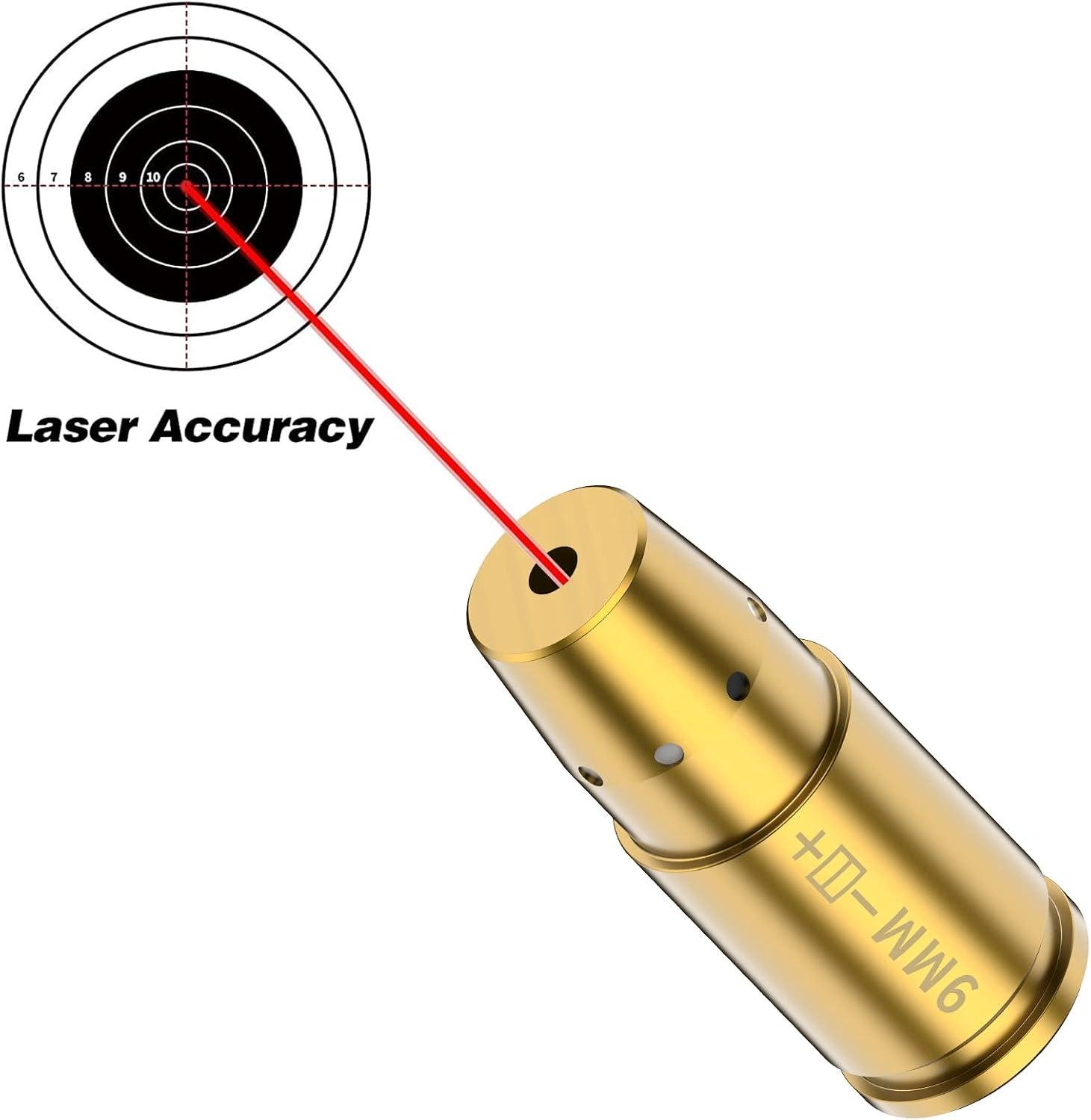
Wrapping up, we found Tipfun’s multi-caliber bore sight to be a pragmatic shortcut for getting “on paper” faster. The brass build feels reassuring, the size is pocketableand the multi-caliber reach makes it a handy toss-in for the range bag. That said, the experience hinges on your specific firearm and expectations: accuracy and alignment can vary, the dot size isn’t always surgical at close distances, battery life draws mixed notesand the lack of an on/off switch means popping batteries between uses.
Zero in with Tipfun on Amazon